
Grooming at Home: Coat Care Between Professional Visits
Regular grooming keeps your dog comfortable, lets you spot skin and health issues early, and makes professional appointments cheaper and less stressful. The right routine depends almost entirely on your dog's coat type. Here is how to care for double coats, curly coats and short coats at home, plus the nail, ear and teeth basics every owner should know.
The Australian Breeder Reviews team
Know Your Dog's Coat Type
Coat type dictates everything: which brush to buy, how often to use it, and how much a missed week actually matters. If you are not sure what your dog is working with, our breed profiles include coat information for each breed.
Double coats
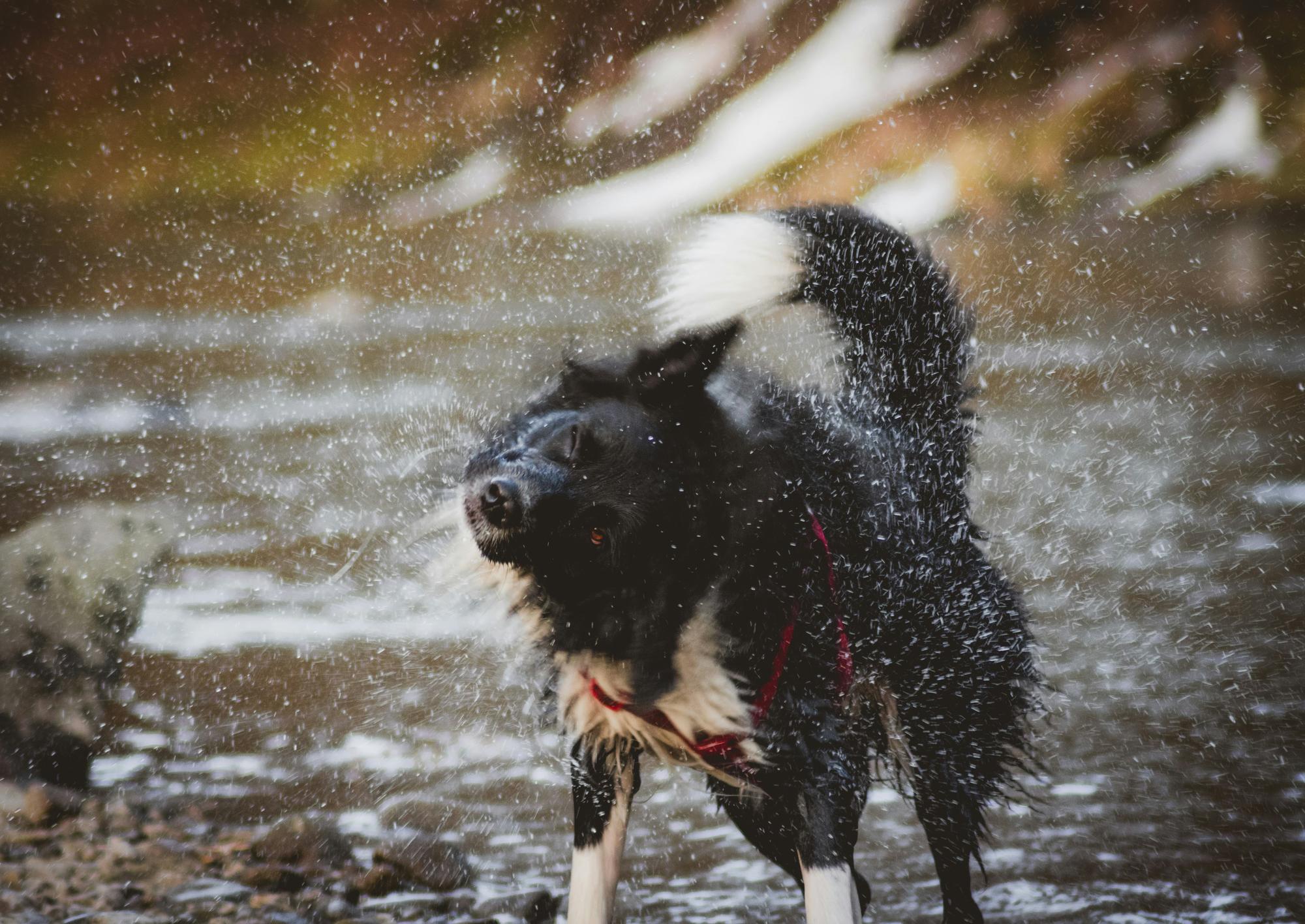
Breeds like Labradors, German Shepherds, Border Collies and Huskies have a soft insulating undercoat beneath a weather resistant outer coat. The undercoat sheds heavily, especially in spring and autumn. These dogs need brushing two to three times a week year round, and daily during a coat blow. An undercoat rake or de-shedding tool pulls out the loose fluff before it ends up on your couch.
Curly and non-shedding coats
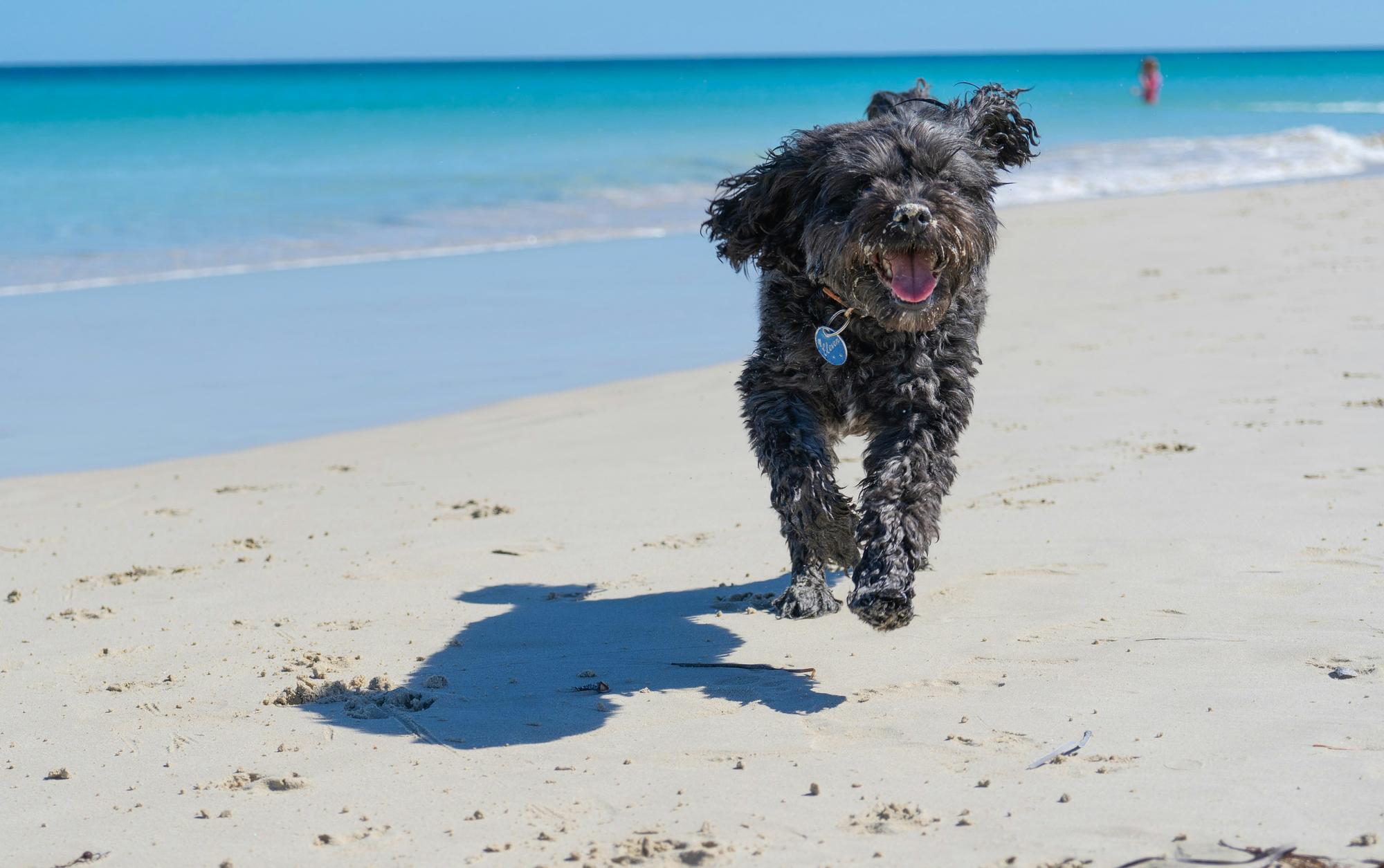
Poodles, Oodle crosses, Bichons and similar breeds barely shed, but the trade-off is that loose hair stays tangled in the coat and forms mats. Mats tighten against the skin, trap moisture and become genuinely painful. These coats need thorough brushing every day or two, right down to the skin, not just over the surface. A slicker brush followed by a metal comb is the standard combination, and the comb is your honesty check: if it will not glide through to the skin, there is a mat forming.
Short coats
Staffies, Kelpies, Beagles and other short-coated dogs are the easy end of the spectrum. A weekly once-over with a rubber curry brush or grooming mitt lifts dead hair, spreads natural oils and doubles as a massage most dogs love. Short coats still shed, sometimes surprisingly heavily, but they do not mat.
Brushing Technique That Actually Works
- Brush in the direction of hair growth, working in small sections rather than long sweeps over the whole body
- Pay extra attention to friction zones: behind the ears, armpits, under the collar, the belly and the backs of the legs. Mats form here first
- Use short, light strokes with a slicker brush. Pressing hard scratches the skin and teaches your dog to dread the brush
- Tease small mats apart with your fingers or a comb from the outside edge inward. Never cut a mat out with scissors, as it is far too easy to nick the skin underneath. Severe matting is a job for a professional groomer
Bathing: Less Often Than You Think
Most dogs only need a bath every four to eight weeks, or when they are visibly dirty or smelly. Washing too frequently strips the natural oils that keep skin healthy. Always use a shampoo formulated for dogs. Human shampoo, even the gentle baby varieties, sits at the wrong pH for canine skin and can cause dryness and irritation. Rinse thoroughly, because leftover shampoo residue is a common cause of itching, and dry double-coated dogs properly so damp undercoat does not sit against the skin. If your dog has recurring skin problems, talk to your vet before experimenting with medicated products.
"Ten minutes of brushing a few times a week does more for your dog's coat than any expensive product ever will."
Nails, Ears and Teeth
- Nails: if you can hear clicking on hard floors, they are too long. Trim a small amount every few weeks, avoiding the quick (the pink blood vessel inside the nail). On dark nails where you cannot see the quick, take tiny slivers or ask your vet or groomer to demonstrate first
- Ears: check weekly for redness, odour or discharge. Wipe the visible part of the ear with a damp cloth or a dog ear cleaner, but never push anything down the ear canal. Floppy-eared and swimming dogs need closer attention
- Teeth: daily brushing with dog toothpaste is the gold standard, but even a few times a week helps. Human toothpaste is not safe for dogs. Dental chews assist but do not replace brushing
Start Positive, Start Early
Dogs that panic at the groomer were usually never taught that handling is safe. From puppyhood, pair short grooming sessions with treats and praise. Touch paws, ears and tail daily before you ever need to trim or clean anything, and end every session before your dog gets restless. A good breeder will have started this handling early, which is one of the things worth asking about when selecting a breeder. Adult dogs can learn the same way, just more gradually.
When a Professional Is Worth It
Home care handles the maintenance, but professional grooming earns its keep for clipping curly coats every six to eight weeks, de-shedding treatments for heavy moulters, severe matting, anxious dogs, and breed-specific styling. One rule is non-negotiable: never shave a double-coated breed without advice from your vet or an experienced groomer. The double coat insulates against heat as well as cold, and shaving it can cause sunburn, disrupt temperature regulation and permanently damage how the coat grows back.
Grooming does not need to be complicated or expensive. Match your tools and routine to your dog's coat type, keep sessions short and positive, and book a professional for the jobs that genuinely need one. Your dog will be more comfortable, and you will catch lumps, ticks and skin changes long before they become bigger problems.