
Pet Insurance for Your New Dog: Is It Worth It?
Pet insurance is one of those decisions new dog owners often put off until the first big vet bill arrives. Understanding how policies actually work, what they exclude and when they tend to pay off will help you decide whether cover suits your dog and your budget.
The Australian Breeder Reviews team
How Pet Insurance Actually Works
Most policies in Australia follow a similar shape. You pay a regular premium, and when your dog needs treatment for an accident or illness, you claim back a percentage of the vet bill. The details are where policies differ, and where owners get caught out:
- Annual limits: Most policies cap what they will pay out each year, either as a total figure or per condition. Once you hit the cap, the rest is on you.
- Benefit percentage: Policies typically reimburse a portion of each bill rather than the whole thing, so you will always pay something out of pocket.
- Exclusions: Routine care such as vaccinations, desexing, dental cleaning and parasite prevention is usually excluded from standard accident and illness cover, though some insurers offer it as an optional extra.
- Waiting periods: Cover does not start the day you sign up. Accident cover often begins quickly, but illness cover and certain conditions like cruciate ligament injuries can have much longer waiting periods.
- Pre-existing conditions: Anything your dog showed signs of before the policy started, or during a waiting period, is generally excluded, often for the life of the policy.
Why Insuring Early Matters
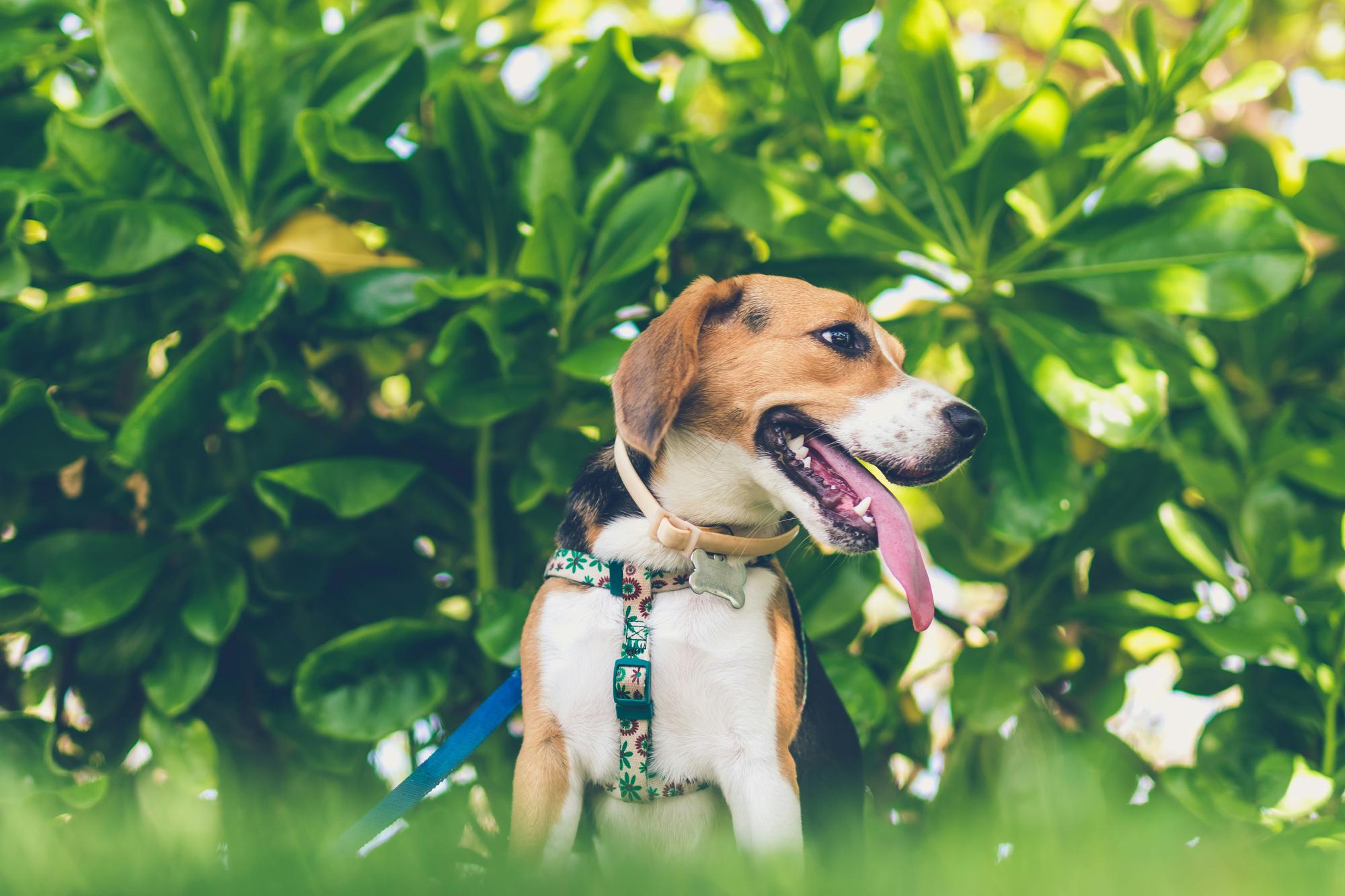
The pre-existing condition rule is the single biggest reason timing matters. A puppy insured at eight or ten weeks has almost no medical history, so almost nothing can be excluded. Wait until your dog is three and has already had a skin flare-up, a limp or a gut upset, and each of those episodes can become a permanent exclusion.
Premiums are also lowest for young dogs and rise with age. Some insurers will not accept new policies for older dogs at all. If you have just brought a puppy home from a breeder you found through a breeder listing, the window between pick-up day and the first vet visit is genuinely the best time to sort cover, before anything appears on your dog's file.
How Breed and Age Affect Premiums
Insurers price risk, and some breeds carry more of it. Breeds prone to hip dysplasia, breathing problems, skin conditions or cruciate injuries typically attract higher premiums, and giant breeds cost more to treat simply because everything from anaesthetic to medication scales with body weight. Flat-faced breeds are a common example of higher pricing, and some policies exclude conditions strongly associated with a breed altogether.
This is worth factoring in before you even choose your dog. If you are still deciding, our find your breed tool and the breed profiles flag common health considerations for each breed, which is a useful preview of what an insurer will be pricing for.
"Insurance is not a bet on whether your dog gets sick. It is a decision about who carries the risk of the one bill you could not comfortably pay."
The Main Alternative: A Dedicated Savings Buffer
Some owners skip insurance and instead put the equivalent of a premium into a separate savings account every month. Over a healthy dog's lifetime this can work out well, because you keep every dollar the insurer would have kept as margin, and there are no exclusions, waiting periods or claim paperwork.
The catch is timing. A savings buffer only protects you once it has had years to grow, and serious bills do not wait politely. A young dog that swallows a sock or tears a ligament in its first year can generate a bill that dwarfs anything you have managed to set aside. Self-insuring also demands genuine discipline: the money has to actually go in, every month, and stay there.
Plenty of owners land on a hybrid: insurance for the catastrophic accident and illness risk, plus a modest buffer for the routine and excluded costs that insurance was never going to cover anyway.
Questions to Ask When Comparing Policies
- What is the annual limit, and are there separate sub-limits per condition?
- What percentage of each bill is reimbursed, and is there an excess per claim or per condition?
- How long are the waiting periods for accidents, illnesses and specific conditions such as cruciate injuries?
- How does the insurer define a pre-existing condition, and can a temporary condition ever be reassessed and covered later?
- Do premiums rise with age, with claims, or both, and by roughly how much?
- Are hereditary and congenital conditions covered for my breed?
- Is dental illness covered, or only dental injury?
- Can I choose any vet, and are specialist and emergency hospitals covered at the same rate?
Get the answers in writing from the product disclosure statement, not from a comparison table. The fine print is where two policies that look identical turn out to be very different.

When Insurance Tends to Pay Off
Honestly? For many dogs, over a whole lifetime, the premiums you pay will exceed the claims you make. That is how insurance works, and it is not a reason to dismiss it. You are not buying an investment, you are buying protection against the scenario where a single emergency surgery, a snake bite or a chronic illness produces a bill you cannot absorb.
Insurance tends to make the most sense when you insure young, before anything is excluded, when your breed carries known health risks, and when a large surprise bill would force you to choose between your finances and your dog's treatment. It makes less sense if you already hold savings that could comfortably cover a worst-case bill, or if your dog is older with a list of pre-existing exclusions that hollow out the cover.
Whatever you decide, talk to your vet about the health risks specific to your dog's breed and age. They see which conditions actually turn up in practice, and that conversation is worth more than any generic comparison site. Requirements around pet ownership vary by state, territory and council, so check your local requirements too.
The worst position is the one many owners drift into: no insurance, no buffer, and a hopeful shrug. Pick a strategy deliberately, whether that is a policy, a savings account or both, and set it up in your dog's first weeks home. Future you, sitting in an emergency vet waiting room at midnight, will be very glad you did.