
Keeping Your Dog Safe in the Australian Summer
Australian summers are tough on dogs, and heat is only part of the story. From scorching footpaths and heatstroke to snakes, paralysis ticks and backyard pools, the warmer months bring hazards that catch even experienced owners off guard. Here is a practical guide to keeping your dog safe and comfortable until the weather cools down.
The Australian Breeder Reviews team
Beat the Heat: Walks, Water and Shade
Dogs cannot sweat the way we do. They rely on panting to cool down, which becomes far less effective once the air itself is hot. The single most important change you can make in summer is shifting your walks to the coolest parts of the day: early morning before the sun is properly up, or later in the evening once the ground has cooled.
The pavement test
Bitumen and concrete hold heat long after the air feels bearable, and a hot footpath can burn paw pads in under a minute. Before any walk, press the back of your hand flat against the pavement and hold it there for seven seconds. If you cannot keep it there comfortably, it is too hot for your dog's paws. Stick to grass, wait for the cool change, or skip the walk entirely. A missed walk never hurt a dog. Burnt pads do.
Never leave a dog in the car
The temperature inside a parked car can climb to dangerous levels within minutes, even in the shade, even with the windows cracked. There is no safe version of "I'll only be five minutes". If your dog cannot come with you when you get out of the car, leave them at home.
At home, make sure your dog always has:
- Access to deep shade that lasts all day, remembering that shade moves as the sun does
- Multiple bowls of fresh water, in case one gets tipped over
- A cool surface to lie on, such as tiles, a damp towel or a shaded verandah
- The option to come inside on days of extreme heat
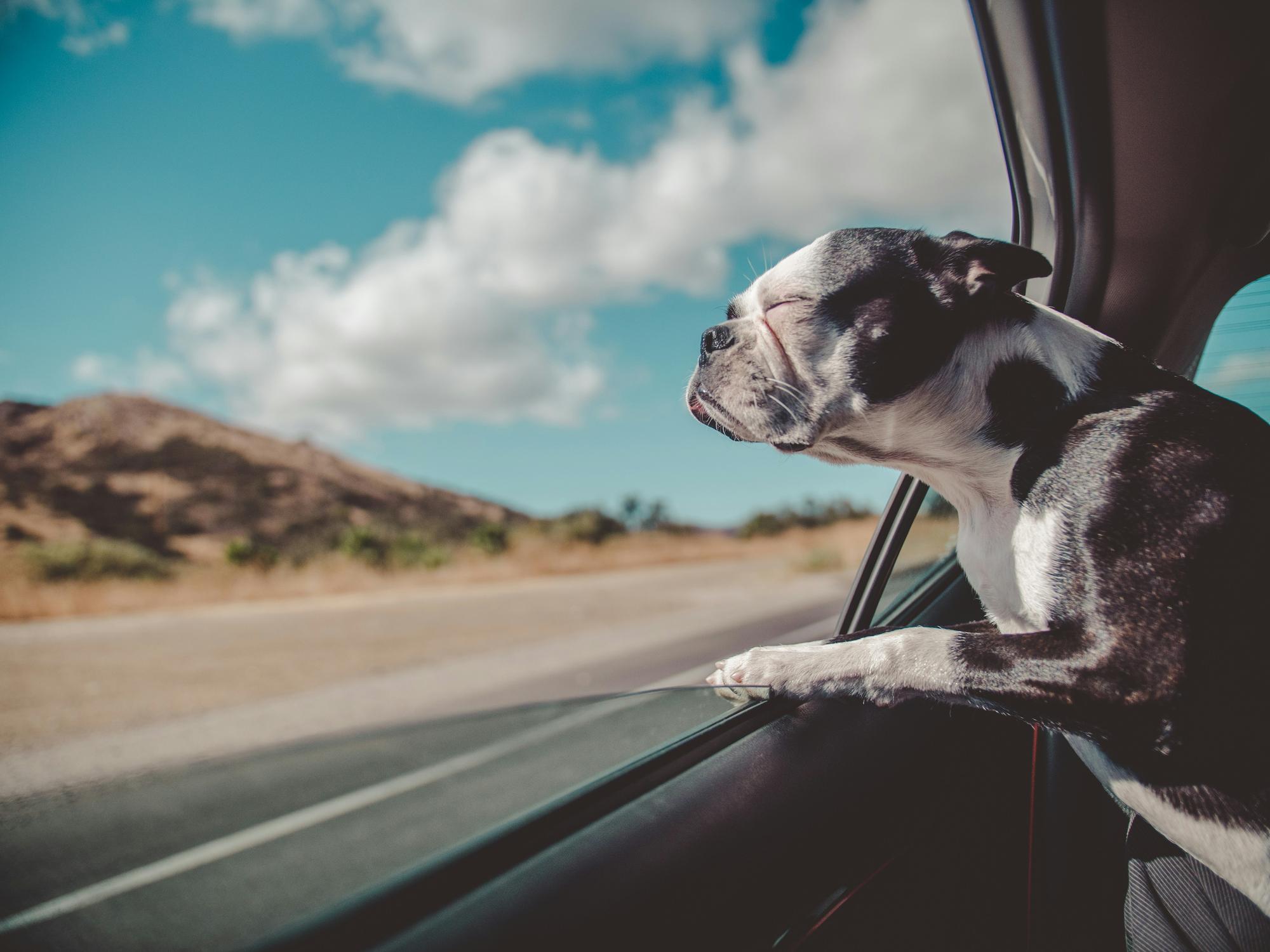
Heatstroke: Know the Signs, Act Fast
Heatstroke is a genuine emergency and it can progress frighteningly quickly. Watch for these warning signs:
- Heavy, frantic panting that does not settle
- Bright red or very pale gums, and thick, sticky drool
- Weakness, wobbliness or collapse
- Vomiting or diarrhoea
- Confusion, glazed eyes or seizures in severe cases
If you suspect heatstroke, act immediately. Move your dog into the shade or air conditioning, wet their body with cool (not icy) water, especially the belly, armpits and paws, and get air moving over them. Then go straight to the vet, even if your dog seems to recover, because internal damage can develop hours later. Do not wait to see how they go.
Flat-faced breeds need extra care
Brachycephalic breeds such as French Bulldogs, Pugs and British Bulldogs are at much higher risk because their shortened airways make panting less effective. These dogs can overheat on days that would barely bother a Kelpie. If you own or are considering a flat-faced breed, be extra conservative in summer and talk to your vet about what is safe for your individual dog. Our breed guides cover which breeds cope best with the Australian climate.
"If you cannot hold the back of your hand on the footpath for seven seconds, it is too hot for your dog's paws."
Snakes: The Other Summer Hazard
Snakes are far more active in the warmer months, and dogs, being curious by nature, are bitten far more often than people. In bushland, long grass and around waterways, keep your dog on a lead. It is the single most effective thing you can do. Off lead, a dog will find a snake before you ever see it.
If you suspect your dog has been bitten, do not wait for symptoms and do not try to treat it yourself. Keep your dog as calm and still as possible, carry them if you can, and go straight to the nearest vet. Ring ahead so they can prepare. Speed matters enormously with snake bites, and dogs that receive prompt treatment have a much better outlook. Never attempt to catch or identify the snake; your vet does not need it, and you do not need a bite of your own.
Paralysis Ticks Along the East Coast
If you live in or visit the eastern coastal strip, roughly from far north Queensland down through New South Wales and into eastern Victoria, paralysis ticks are a serious seasonal threat. Do a hands-on tick check every day: run your fingertips through your dog's coat from nose to tail, paying close attention to the head, ears, neck, chest and between the toes, where most ticks attach. Watch for a change in bark, wobbly back legs, vomiting or laboured breathing, and see a vet immediately if any appear. Preventative tick treatments are highly effective, so ask your vet which product suits your dog, but keep up the daily checks as well. No preventative is perfect.
Water Safety at Beaches and Pools
A swim is a wonderful way for a dog to cool off, but water brings its own risks. Not every dog is a natural swimmer, and flat-faced and heavily built breeds in particular can struggle. At the beach, watch for strong currents and rips, discourage your dog from drinking salt water, and rinse the salt and sand out of their coat afterwards. At home, never assume a dog can get out of a pool on its own: show them where the steps are, supervise every swim, and fence the pool so an unsupervised dip cannot happen. Pool fencing requirements vary by state, territory and council, so check your local requirements.
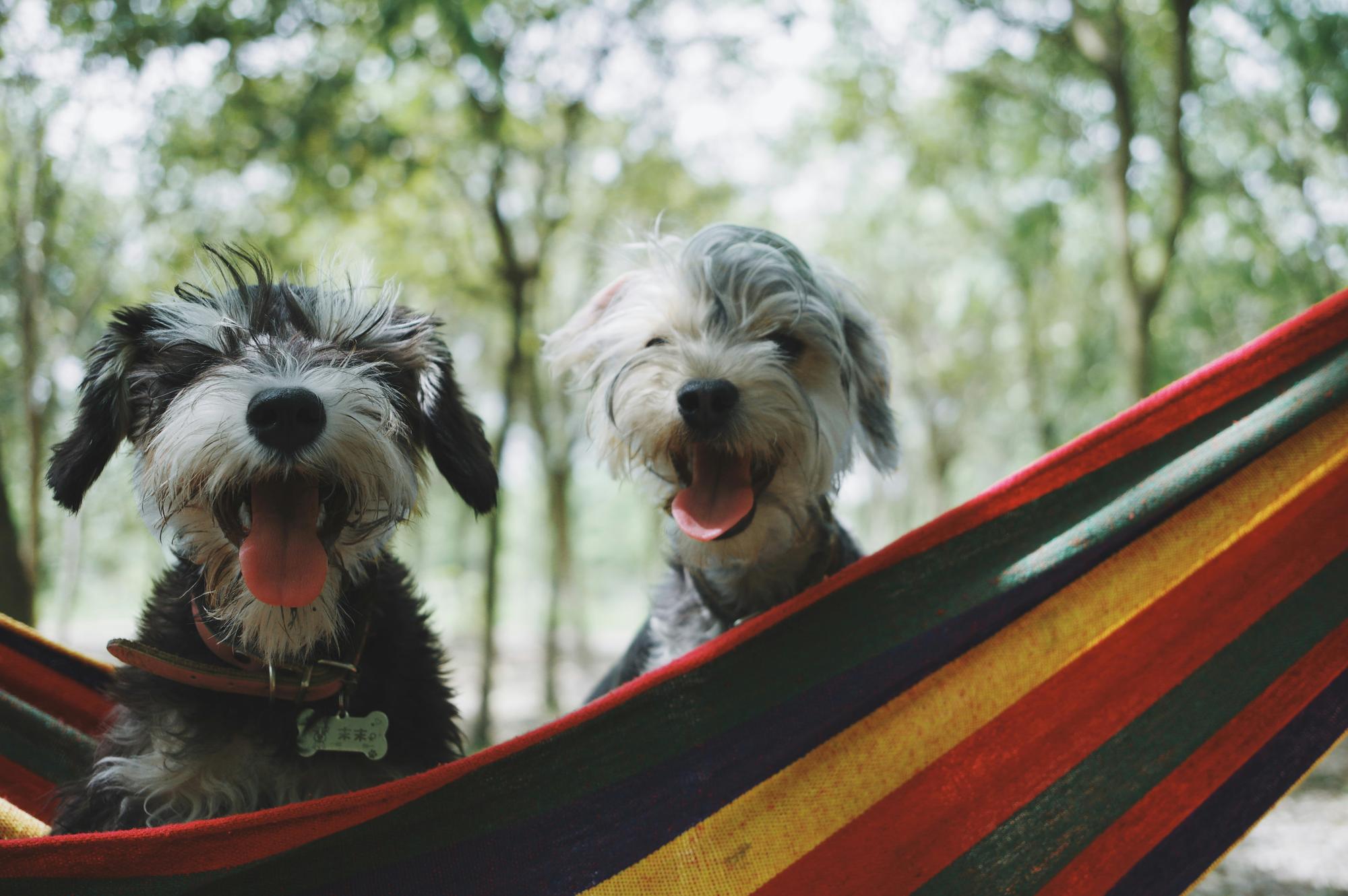
None of this means summer has to be a season of worry. Walk early, test the pavement, keep the water bowls full, stay on lead in the bush, check for ticks daily and supervise every swim, and your dog can enjoy the warmer months as much as you do. If you are still choosing your future companion, it is worth thinking about how a breed handles heat before you commit; a good breeder will talk honestly about it, and our guide to selecting the right breeder can help you ask the right questions.