
Travelling with Your Dog in Australia
Australia is a wonderful country to explore with a dog, but a great trip takes more planning than simply loading up the car. From safe restraints and heat awareness to finding pet-friendly stays and knowing where dogs are actually welcome, this guide covers the practical details that make travelling with your dog safe and enjoyable.
The Australian Breeder Reviews team
Car Travel Safety Comes First
An unrestrained dog in a moving car is a hazard to itself, to you and to everyone else on the road. Even a gentle stop can throw a dog forward, and a sudden swerve can turn a medium-sized dog into a serious projectile. Restraint requirements vary by state, territory and council, so check your local requirements, but regardless of the law, restraining your dog every trip is simply good practice.
- Use a crash-tested harness that clips into the seatbelt, a secured travel crate, or a cargo barrier for larger dogs in wagons and SUVs
- Never let your dog ride unrestrained on a ute tray. Dogs fall or jump from trays every year, often with terrible injuries. If your dog must travel on a tray, it needs a proper tether or cage that prevents it reaching the edges
- Keep heads inside the vehicle. It looks joyful, but debris and insects at highway speed can cause real eye and ear injuries
- Never leave your dog alone in a parked car, even briefly and even with the windows down. Cabin temperatures climb dangerously fast on warm days, and heatstroke can take hold in minutes
On hot days, travel early in the morning or later in the evening, run the air conditioning, and park in shade whenever you stop. Brachycephalic breeds such as Pugs and French Bulldogs are especially vulnerable to heat, so factor that in when planning summer trips. If you are still choosing a dog and travel is a big part of your life, our Find Your Breed tool can help you match a breed to your lifestyle.

Planning Pet-Friendly Stays
Pet-friendly accommodation in Australia has improved enormously, but it still pays to book ahead. Many caravan parks, holiday rentals and even some motels welcome dogs, though conditions differ widely: some allow dogs inside, some only in outdoor areas, and most have rules about dogs being left unattended.
- Always confirm the pet policy directly with the property before booking, including any size or breed limits and cleaning expectations
- Ask whether the yard is fully fenced. A property described as pet-friendly may still have gaps a determined dog can slip through
- Plan your overnight stops before a long drive so you are not searching for a dog-friendly bed at dusk in an unfamiliar town
Know Where Dogs Are Welcome
National parks
Here is the rule that catches out most first-time travellers: dogs are generally not allowed in Australian national parks, even on lead and even inside your car. The restriction protects native wildlife, and rangers do enforce it. Rather than being disappointed at the gate, plan around it. State forests, regional parks and many reserves often do allow dogs, and they can be just as beautiful. Check the managing authority's website for every park on your route before you leave.
Beaches and off-lead areas
Beach access for dogs varies by council, and sometimes by time of day and season. One stretch of sand may be fully off-lead, the next on-lead only, and the one after completely prohibited. Signage is usually clear at beach entrances, but it varies by state, territory and council, so check your local requirements before letting your dog off the lead anywhere unfamiliar. A quick search of the local council's website will list designated off-lead beaches and dog parks near where you are staying.
"The best trips with a dog are not the ones with the fewest rules, they are the ones where you knew the rules before you arrived."
What to Pack for Your Dog
- Enough of your dog's regular food for the whole trip, plus a little extra. Changing food suddenly on the road is a reliable recipe for an upset stomach
- Plenty of fresh water and a travel bowl, kept within easy reach in the car
- Any medications your dog takes, with enough supply for delays. Talk to your vet before you leave if your dog gets carsick or anxious when travelling
- Familiar bedding and a favourite toy. A blanket that smells like home helps dogs settle in strange places
- A copy of your dog's vet records and vaccination history, in case you need a vet or a boarding kennel along the way
- Up-to-date microchip details. If your dog gets loose far from home, the microchip registry contact details are how it finds its way back to you, so update your phone number and address before you go
- Lead, collar with ID tag, poo bags, a towel for wet or sandy dogs, and a basic first-aid kit
Long Drives and Regular Breaks
On long trips, stop every couple of hours to let your dog stretch, sniff, drink and toilet. Keep your dog on lead at rest stops, which are usually beside busy roads and full of unfamiliar smells that can tempt even a well-trained dog to wander. Feed a light meal a few hours before departure rather than a big breakfast right before you leave, and offer water at every stop. A dog that has had a good walk before a long stint in the car will spend most of the drive asleep, which is exactly what you want.
When the Destination Does Not Suit Dogs
Sometimes the honest answer is that your dog should not come. A trip built around national parks, long days in summer heat, or accommodation that is not genuinely pet-friendly may be more stressful for your dog than a stay at home. Good alternatives include a trusted pet-sitter who stays in your home, a house-sitting arrangement, or a reputable boarding kennel. Visit any kennel before you book, check vaccination requirements, and leave your vet's details with whoever is caring for your dog. If your dog is young or new to your family, ask your breeder for advice too, as many breeders are happy to recommend boarding options that suit their breed.
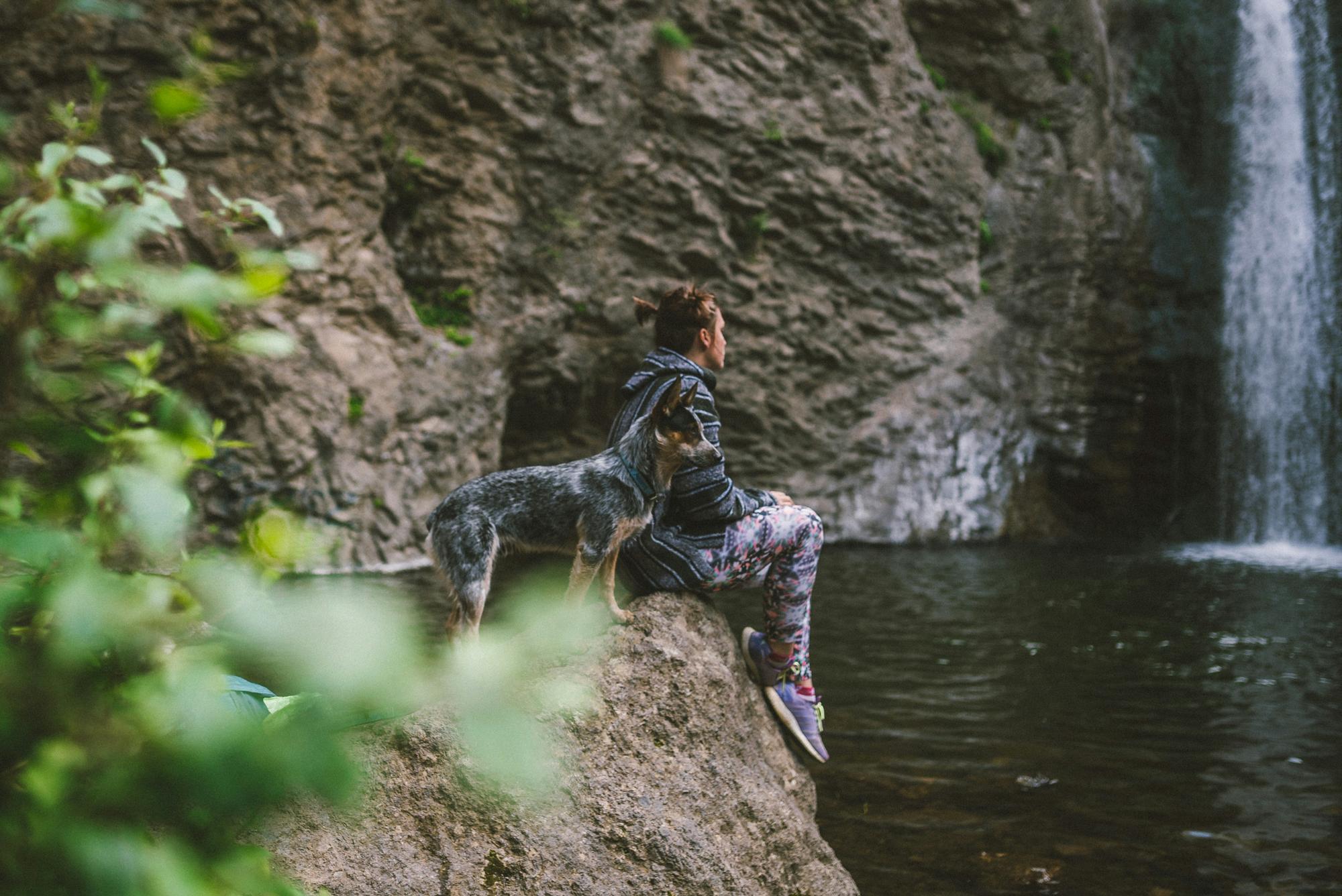
Travelling with your dog can be one of the great joys of dog ownership in Australia. A little preparation goes a long way: restrain your dog properly in the car, respect the heat, book pet-friendly stays in advance, know the local rules for parks and beaches, and pack with your dog's routine in mind. Do that, and the open road is yours to share.