
Afghan Hound
Baluchi Hound, Tazi, Tazhi Spay, Da Kochyano Spay
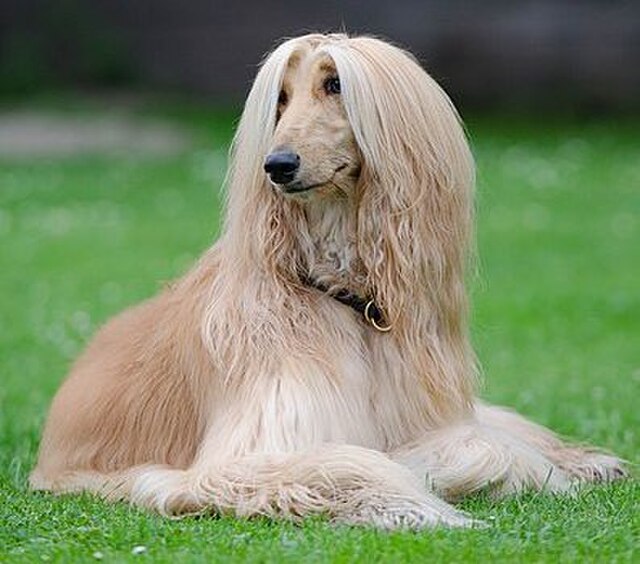
The Afghan Hound is a tall, elegant sighthound from the mountains of Afghanistan, instantly known for its long silky coat and aloof, dignified bearing. Bred to hunt independently over rough country, it is fast, athletic and very much its own dog, affectionate with its family in a reserved way but rarely clingy or eager to please. It is gentle and sensitive rather than bold, often aloof with strangers, and it keeps a strong chase instinct, so recall is unreliable and a secure yard is essential. Exercise needs are real: it wants regular chances to gallop safely as well as daily walks. The coat is the major commitment, needing frequent thorough brushing to prevent painful matting. Afghans suit calm, patient owners who appreciate an independent, sometimes comical hound and can keep up the grooming. They do not suit those wanting an obedient, biddable dog or a low-maintenance coat.
Size
Large
Lifespan
12-14 years
Group
Group 4 - Hounds
Height
Male: 69-74 cm (27-29 inches), Female: 63-69 cm (25-27 inches)
Weight
Male: 26-34 kg (57-75 lbs), Female: 23-27 kg (51-60 lbs)
Origin
Afghanistan
Compatibility & care
How this breed fits into life with you
Scores are out of 5. Tap the help icon next to any trait to see what it really means.
Personality
How they think and behave
With family
Who they get along with
Care needs
What they ask of you
Origin & history
The Afghan Hound is an ancient sighthound type from Afghanistan and the surrounding region, where tribes and nomadic peoples kept long-coated hounds to course game such as hare, gazelle and deer across mountains and desert, sometimes working with falconers. The heavy coat protected the dogs against the cold of high altitude. The breed reached Britain in the late 19th and early 20th centuries through soldiers and travellers, and the dogs behind today's show lines were largely established from imports brought together in Britain in the 1920s. Its glamorous looks made it a fashionable show and companion dog through the 20th century, and it became a familiar sight in the ring. Underneath the elegant exterior it remains a functional coursing hound with the speed, independence and prey drive that role demands. The ANKC recognises the Afghan Hound in the Hound Group.
Temperament
The Afghan Hound is independent, dignified and emotionally sensitive, a hound that thinks for itself and bonds closely but quietly with its people rather than living to obey. It is typically aloof and undemonstrative with strangers and can be shy or highly strung if not well socialised, so gentle early exposure to people and situations matters. With its family it can be playful, affectionate and surprisingly clownish, with a streak of mischief. It is generally peaceful with other dogs and often enjoys the company of fellow sighthounds, but its strong prey drive makes it a poor bet with cats and small fleeing animals, and that same instinct means it may bolt after movement and ignore recall. It is intelligent but not naturally biddable, so training calls for patience, kindness and reward, as harsh handling only makes a sensitive Afghan shut down or grow anxious.
Appearance
A large, leggy sighthound standing roughly 63 to 74 cm at the shoulder, with males around 27 to 34 kg and females a little lighter. The build is fine-boned but strong, with a long narrow head, a distinctive topknot of long hair, dark almond-shaped eyes and prominent hip bones that are normal for the breed. The defining feature is the long, fine, silky coat covering the body and legs, contrasting with the short close hair along the saddle of the back in a mature dog. The tail has a ring or curve at the tip. Coats come in many colours, including cream, gold, red, brindle, blue and black, often with a darker mask. In motion the Afghan is springy and proud, covering ground with a smooth, powerful stride.
Suitability
The Afghan Hound is best in a calm home with a house and a high, securely fenced yard, owned by someone patient who enjoys an independent dog and does not expect obedience-trial reliability. It needs safe space to run, ideally a secure area where it can gallop, since off-lead freedom in open ground is risky given the prey drive. It is not an ideal first dog for owners hoping for an easy, trainable pet, and it does best in quieter households rather than chaotic, noisy ones, though gentle older children are fine. It can tolerate moderate time alone if exercised and kept company, but it is sensitive and dislikes neglect. In the Australian heat the long coat means it needs shade, water and cool conditions, with exercise kept to the cooler parts of summer days.
Health
Afghan Hounds generally live around 12 to 14 years and are reasonably healthy. Like many sighthounds they are sensitive to anaesthesia and have a low body-fat percentage, which their vet should account for. The breed has a recognised predisposition to hypothyroidism and to juvenile cataracts and other eye conditions, so eye testing is worthwhile. Hip dysplasia is uncommon but does occur. Afghan myelopathy, a serious inherited neurological disease of young dogs, is associated with the breed though rare. As a deep-chested dog there is some risk of gastric dilatation-volvulus (bloat). Their long coat and ears can predispose to skin and ear problems if grooming lapses. Buy from breeders who eye test and thyroid test their stock and are open about any neurological or eye issues in their lines, and use a vet familiar with sighthound anaesthesia.
Find your Afghan Hound
Browse trusted Afghan Hound breeders across Australia and read genuine reviews from real owners, or take the quiz to be sure of the fit.