
Australian Terrier
Aussie
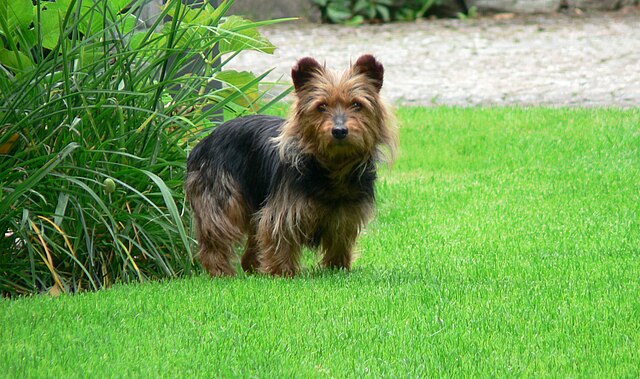
The Australian Terrier is a small, sturdy working terrier with a big personality packed into a low, hard-bodied frame. Bred to kill vermin and snakes and to be a useful all-round farm dog, it keeps that bold, busy, confident terrier nature today. Aussies (the terrier kind) are affectionate and devoted with their people, alert and quick to bark, and tougher and more independent than their size suggests. Energy needs are moderate; daily walks and play keep them happy, and they enjoy having something to do. They suit active singles, families and older owners who want a characterful small dog and can handle a bit of terrier stubbornness and digging. They are less suited to people wanting a placid, undemanding lap dog. The harsh weatherproof coat sheds little and needs only weekly brushing plus occasional hand-stripping or tidying.
Size
Smallest
Lifespan
12-15 years
Group
Group 2 - Terriers
Height
Male: 23-28 cm (9-11 inches), Female: 23-28 cm (9-11 inches)
Weight
Male: 4-6 kg (9-13 lbs), Female: 4-6 kg (9-13 lbs)
Origin
Australia
Compatibility & care
How this breed fits into life with you
Scores are out of 5. Tap the help icon next to any trait to see what it really means.
Personality
How they think and behave
With family
Who they get along with
Care needs
What they ask of you
Origin & history
The Australian Terrier was developed in Australia through the 1800s, one of the first breeds created on the continent and the first recognised as native. Settlers needed a small, hardy dog to control rats and mice, deal with snakes around the homestead, sound the alarm, and keep working in the heat, so they crossed several rough-coated British terriers brought out from Britain, with the Dandie Dinmont, Cairn, Yorkshire, Skye and others all thought to be in the mix. The breed shares ancestry with the Australian Silky Terrier, which was later developed in part from it. The Australian Terrier was exhibited in the late nineteenth century and was one of the earliest small terriers recognised by kennel clubs, including in Britain. It is recognised by the ANKC as an Australian breed and remains a capable little ratter as well as a popular companion.
Temperament
The Australian Terrier is spirited, loyal and genuinely attached to its family, often choosing a favourite person while remaining devoted to the whole household. It is usually good with children, being robust and playful, though like any terrier it prefers kids who treat it with respect. With strangers it is alert and may be a touch reserved at first, warming up quickly, and it makes a keen, vocal watchdog that misses very little. It can live well with other dogs, though some individuals are bossy, and the strong prey drive means cats it is raised with may be tolerated while small pets such as rodents, rabbits and birds are not safe. These are clever, capable dogs that train well when the work is interesting and rewarding, but they have an independent streak and will switch off from dull repetition. Typical terrier traits include digging, chasing and barking, all of which respond to early training and enough to do.
Appearance
A small, low-set, sturdy terrier, slightly longer than tall, built for work rather than show prettiness. Most stand about 25 cm at the shoulder and weigh roughly 6 to 7 kg. The coat is a harsh, straight outer coat about 6 cm long over a short soft undercoat, weatherproof and practical, with a softer topknot on the head and a distinct ruff around the neck. Two colour patterns are standard: blue and tan (a blue, steel-blue or dark-grey body with rich tan on the face, legs and underparts) and solid sandy or clear red. The ears are small, pricked and pointed, the eyes small and dark and keen, and the overall look is rugged and alert.
Suitability
The Australian Terrier is adaptable and fits apartments or houses equally well, as long as it gets daily walks, play and company. It suits active owners of all kinds, from families to retirees, and it is one of the more manageable terriers for a sensible first-time owner who understands the breed will dig, chase and bark. It enjoys human company and does not love being left alone all day; long solitary stretches can lead to boredom barking and mischief. The harsh, practical coat copes reasonably with both warm and cool weather, but Australian summers still call for shade, fresh water and walks in the cooler parts of the day. A weekly brush and the occasional tidy or hand-strip keep the coat in good order.
Health
Australian Terriers are a hardy, long-lived breed, often reaching 12 to 15 years and sometimes more. They have relatively few breed-wide problems, but a handful are well documented. Patellar luxation (slipping kneecaps) occurs and is worth checking. Legg-Calve-Perthes disease, a degeneration of the hip in young dogs, is seen in the breed. The breed has an above-average tendency to diabetes mellitus compared with many breeds, so weight control and awareness of the signs are useful. Allergic skin disease and some eye conditions also appear in certain lines. As with all small dogs, dental care matters. Buy from a breeder who checks knees and eyes, keeps their dogs lean and fit, and is open about diabetes and any other issues in their lines.
Find your Australian Terrier
Browse trusted Australian Terrier breeders across Australia and read genuine reviews from real owners, or take the quiz to be sure of the fit.