
Affenpinscher
Affen, Affie, African Terrier, Monkey Dog, Monkey Terrier
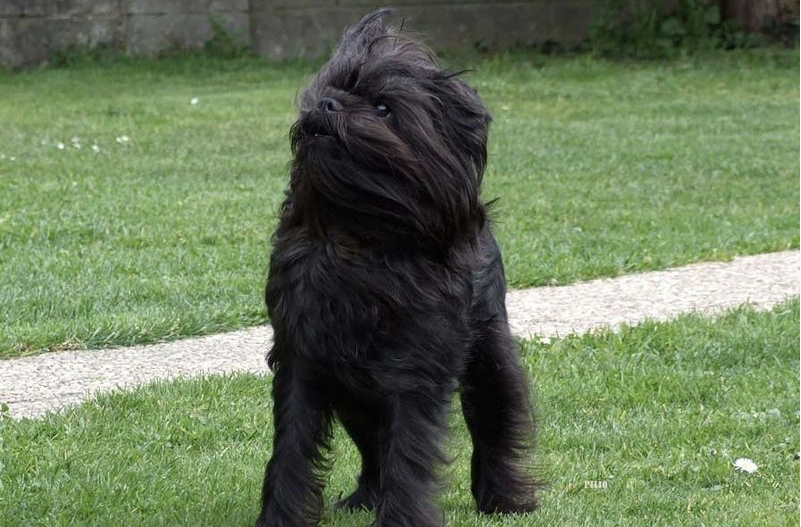
The Affenpinscher is a small wiry-coated toy breed of German origin, nicknamed the Monkey Dog for its rounded face, prominent brows and jutting lower jaw. Bold, busy and self-assured, it behaves far larger than its size suggests and is quick to bark at anything out of place, which makes it an alert little watchdog. It is curious, comical and devoted to its people, but also independent and often stubborn, so training needs patience, consistency and a sense of humour. Energy is moderate: short daily walks and indoor play satisfy it, which suits apartments well. The harsh, shaggy coat does not shed much but needs weekly brushing and periodic hand-stripping or tidy clipping to keep its characteristic shape. It suits owners who want a characterful companion dog and can tolerate barking and a strong will. It is less suited to homes wanting a placid, biddable or rough-and-tumble dog for very young children.
Size
Smallest
Lifespan
12-14 years
Group
Group 1 - Toys
Height
Male: 23-30 cm (9-12 inches), Female: 23-30 cm (9-12 inches)
Weight
Male: 3-4 kg (7-9 lbs), Female: 3-4 kg (7-9 lbs)
Origin
Germany
Compatibility & care
How this breed fits into life with you
Scores are out of 5. Tap the help icon next to any trait to see what it really means.
Personality
How they think and behave
With family
Who they get along with
Care needs
What they ask of you
Origin & history
The Affenpinscher developed in Germany, with recognisable rough-coated small ratters appearing by the 17th century and the breed formalised in the late 1800s. It was bred as a working ratter to clear vermin from kitchens, stables and shops, and smaller specimens were increasingly kept as ladies' companions. The name combines the German Affe (monkey or ape) with Pinscher, describing both its monkeyish expression and its terrier-like ratting role. It is considered one of the ancestral influences behind several other small European breeds, including the Brussels Griffon, and it contributed to the Miniature Schnauzer's background. The breed nearly disappeared around the World Wars and was rebuilt from limited European stock, which is why it remains uncommon worldwide. It is recognised by the ANKC within the Toy Group and is a rare breed in Australia, with only a small number of dedicated breeders.
Temperament
The Affenpinscher is confident, lively and famously fearless, often described as a big dog in a small body. With its own family it is affectionate, playful and loyal, enjoying close company and entertaining its people with comical antics. It tends to be wary and reserved with strangers and will bark to announce visitors, giving it a watchdog streak out of proportion to its size. It can be territorial and bold toward larger dogs, so early socialisation and supervision around bigger animals is sensible, though many live happily with other dogs and cats they are raised with. It is intelligent but independent and can be stubborn and easily bored by repetition, so training works best in short, varied, reward-based sessions. It is not a naturally biddable obedience dog, and its terrier self-possession means it does best with patient, consistent handling rather than harsh correction.
Appearance
A small, sturdy, square-built toy dog standing roughly 23 to 30 cm at the shoulder and weighing about 3 to 6 kg, with males and females similar in size. The coat is the breed's signature feature: harsh, dense and rough, about 2.5 cm long over the body and longer around the head to form the shaggy brows, beard and mane that create the monkey-like face. The muzzle is short, the lower jaw slightly undershot, the eyes round and dark, and the ears may be erect or dropped. Black is the classic and most common colour, though belge, grey, silver, red and black-and-tan also occur. The tail is carried high and the overall impression is alert and self-important.
Suitability
This breed suits apartments and smaller homes well, as its exercise needs are met by short walks and indoor games, but its readiness to bark means thin walls and noise-sensitive neighbours are worth considering. It fits singles, couples and older families better than homes with very young children, since it dislikes rough handling and is small enough to be injured. A calm, patient first-time owner can manage one if they accept its stubborn streak and commit to socialisation. It bonds closely and prefers company, tolerating only moderate time alone before becoming bored or vocal. In the Australian climate its moderately short muzzle means it should be kept cool and never over-exercised in summer heat, and the harsh coat offers limited protection in cold.
Health
Affenpinschers are generally hardy and typically live around 12 to 15 years. The best-documented orthopaedic concerns are patellar luxation (slipping kneecaps) and Legg-Calve-Perthes disease, a degeneration of the hip joint seen in small breeds, and hip dysplasia also occurs. Because the muzzle is moderately shortened, some dogs can show mild brachycephalic breathing issues and reduced heat tolerance, though far less severely than flat-faced breeds. Heart murmurs and other cardiac conditions are reported, and the large prominent eyes can be prone to injury and dryness. A few lines carry an inherited risk of patent ductus arteriosus. Buy from breeders who patella-check and cardiac-check their stock, screen hips where relevant, and are open about the longevity and any breathing or eye issues in their lines.
Find your Affenpinscher
Browse trusted Affenpinscher breeders across Australia and read genuine reviews from real owners, or take the quiz to be sure of the fit.