
Azawakh
Idi, Hanshee, Oska, Rawondu, Bareeru, Wulo
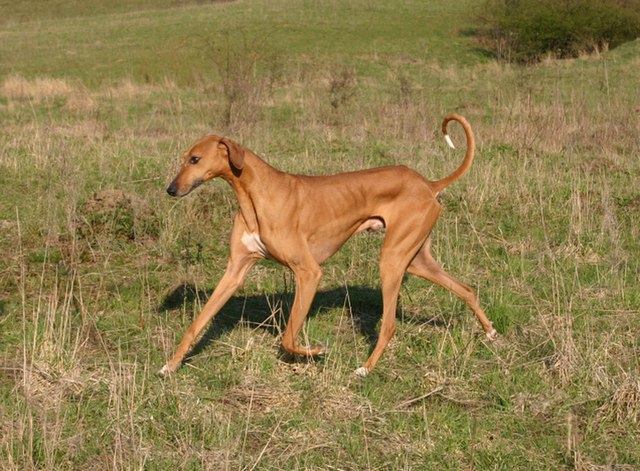
The Azawakh is a tall, fine-boned African sighthound bred by nomadic peoples of the Sahel to hunt by sight and to guard camp and livestock. It is lean to the point of looking fragile, but it is athletic, fast and remarkably tough. In temperament it is reserved, independent and intensely loyal to its own people, often deeply attached to one household while remaining aloof or standoffish with outsiders. This is a primitive, sensitive breed, not a wagging extrovert, and it needs gentle, patient handling and thorough socialisation. Exercise needs are real; an Azawakh needs regular chances to run flat-out in a safe space as well as daily walks. It suits experienced owners who appreciate sighthounds and primitive breeds. It is a poor fit for novices, rough households, or homes with small pets it may chase. The short coat needs almost no grooming.
Size
Large
Lifespan
10-12 years
Group
Group 4 - Hounds
Height
Male: 64-74 cm (25–29 inches), Female: 60-70 cm (24–28 inches)
Weight
Male: 20–25 kg (44–55 lbs), Female: 15–20 kg (33–44 lbs)
Origin
Mali
Compatibility & care
How this breed fits into life with you
Scores are out of 5. Tap the help icon next to any trait to see what it really means.
Personality
How they think and behave
With family
Who they get along with
Care needs
What they ask of you
Origin & history
The Azawakh comes from West Africa, taking its name from the Azawagh valley spanning Mali, Niger and Burkina Faso, and it has been bred for many centuries by Tuareg, Fula and other nomadic peoples of the southern Sahara and Sahel. It was never a pet in the European sense; it was a working partner that coursed gazelle, hare and other fast game across open desert, guarded the camp at night, and lived closely with the family, often sharing the tent. Selection was harsh and practical, shaped by the climate and the need for speed, endurance and loyalty rather than appearance. The breed reached the West only in the second half of the twentieth century and remains relatively uncommon outside its homeland. It is recognised internationally as a sighthound, and breeders both in Africa and abroad continue to work to preserve its function and its distinctive type.
Temperament
The Azawakh is independent, intelligent and emotionally tied to its own people while being naturally reserved with everyone else. With its family it is affectionate, even gentle and cuddly on its own terms, and it tends to bond as a pack rather than to a single owner. It is typically aloof or wary with strangers and dislikes being grabbed or fussed over by people it does not know, so it needs early, positive socialisation to be comfortable in the world. It is often good with other sighthounds and dogs it is raised with, but the strong prey drive means cats and small animals are frequently not safe, and fast-moving small pets will be chased. It retains real guarding instinct and will alert and protect, which makes thorough socialisation all the more important. Training calls for patience and a soft, respectful approach; this is a sensitive, primitive breed that shuts down under heavy-handed methods and will not work through dull drilling.
Appearance
A tall, elegant and extremely lean sighthound, taller than it is long, with a build that shows bone structure and musculature clearly under thin skin. Males stand roughly 64 to 74 cm at the shoulder and females about 60 to 70 cm, with weight usually only around 15 to 25 kg, making it noticeably lighter and leggier than most sighthounds. The coat is very short, fine and almost absent on the belly. Colours range widely and include fawn, red, brindle, blue, black and grey, usually with white markings on the chest, feet and tail tip, and the breed standard in different registries varies on which colours are accepted. The head is long and fine, the eyes almond-shaped, and the carriage proud and watchful.
Suitability
The Azawakh suits an experienced owner who understands sighthounds and primitive breeds and can offer calm, consistent handling. A house with a securely and tall fenced yard is strongly preferred, both because the breed needs space to gallop and because its chase instinct makes off-lead freedom in open areas risky. It can adapt to quieter living if its running and companionship needs are met, but it is not a good first dog and does poorly in chaotic or rough homes. It bonds closely and can struggle with being left alone for long periods. On climate the breed is built for desert heat and copes well with warm Australian conditions given shade and water, but the thin coat and lack of fat mean it genuinely feels the cold and needs a coat on chilly mornings.
Health
Azawakhs are generally healthy and naturally long-lived for their size, often reaching 12 to 15 years. As a sighthound they are very lean with little body fat, which makes them sensitive to anaesthetics and some drugs, and a vet should be told to dose them as a sighthound. They feel the cold and need protection in winter. Well-documented breed concerns include epilepsy in some lines and autoimmune conditions, and like most deep-chested breeds they carry some risk of bloat (gastric dilatation and volvulus), so smaller meals and rest around feeding are sensible. Cardiac issues and hypothyroidism are also seen. Because the breed is uncommon and gene pools are small, choosing a careful breeder matters; look for one who is open about health in their lines, screens for cardiac and eye problems, and avoids doubling up on known issues.
Find your Azawakh
Browse trusted Azawakh breeders across Australia and read genuine reviews from real owners, or take the quiz to be sure of the fit.