
Alaskan Klee Kai
AKK, Klee Kai, Miniature Alaskan Husky, Mini Husky
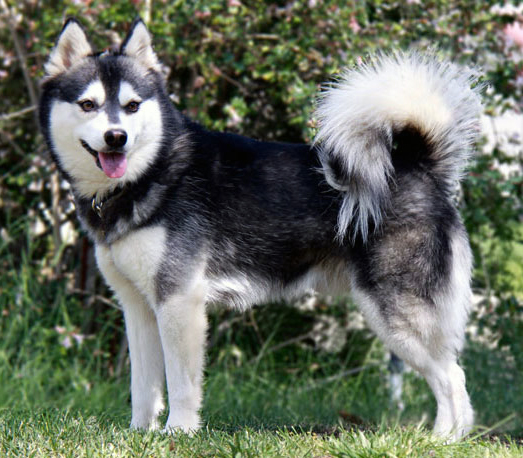
The Alaskan Klee Kai is a small spitz breed from the United States, created to look like a miniature Siberian Husky in a companion-sized package. It is sharp, alert and energetic, intensely loyal to its own family and typically shy or reserved with strangers, which is normal for the breed rather than a fault. It is intelligent and learns quickly but keeps a husky-like independence, and many are quite vocal, talking and yodelling rather than barking much. Exercise and mental stimulation needs are real for such a small dog, and a bored Klee Kai gets noisy and destructive. The double coat sheds steadily and blows heavily twice a year, needing regular brushing but little else. It suits active owners who want a striking, devoted small dog and will put in early socialisation. It does not suit those expecting an instantly outgoing, hands-off or low-energy lapdog.
Size
Small
Lifespan
12-15 years
Group
Not ANKC Recognised
Height
Male: 33-42 cm (13-17.5 inches), Female: 33-42 cm (13-17.5 inches)
Weight
Male: 6.8-10 kg (15-22 lbs), Female: 4.3-7 kg (9-15 lbs)
Origin
United States
Compatibility & care
How this breed fits into life with you
Scores are out of 5. Tap the help icon next to any trait to see what it really means.
Personality
How they think and behave
With family
Who they get along with
Care needs
What they ask of you
Origin & history
The Alaskan Klee Kai was developed in Alaska from the 1970s by Linda Spurlin, who set out to create a small companion dog with the look of the Alaskan and Siberian Husky but none of the size. The foundation used Alaskan and Siberian Husky stock crossed with smaller breeds, the Schipperke and American Eskimo Dog, to bring the size down while keeping the spitz appearance. The name comes from an Inuit term meaning small dog. Spurlin bred carefully for type and temperament and released the breed more widely from the late 1980s. Unlike its working ancestors, the Klee Kai was always intended as a companion rather than a sled or freight dog, though it retains plenty of the husky's energy, intelligence and independence. It remains rare worldwide and uncommon in Australia. The ANKC does not currently recognise the breed, so buyers should vet breeders and lineage carefully.
Temperament
The Alaskan Klee Kai is bright, watchful and curious, deeply attached to its family but naturally cautious and often timid with people it does not know, so thorough early socialisation is essential to prevent excessive shyness or nervousness. With its own people it is affectionate, playful and energetic, and it thrives on involvement in family life. It is generally fine with other dogs and can live with cats and small pets if raised with them, though the spitz prey drive means care is wise around small fleeing animals. It is intelligent and trainable but independent and easily bored, so it does best with engaging, reward-based training rather than repetition. Many are talkative, using a range of husky-like sounds, and some bark readily, which is worth knowing in advance. It is a sensitive dog that does not respond well to harsh handling and needs both mental and physical outlets to stay settled.
Appearance
A small spitz dog bred in three size divisions: toy (under about 33 cm), miniature (about 33 to 38 cm) and standard (about 38 to 43 cm at the shoulder), with weights ranging from roughly 4 to 10 kg depending on size. The look is that of a scaled-down Husky, with a wedge-shaped head, erect triangular ears, a well-furred tail carried in a loose curl over the back and a striking facial mask with contrasting markings. The double coat has a soft dense undercoat and a longer, coarser outer coat. Coat colours are black and white, grey and white, or red and white, plus a pure white. Eyes may be brown, blue, green, amber or two different colours, adding to the breed's distinctive expression.
Suitability
The Klee Kai can do well in an apartment or a house provided it gets daily exercise, company and mental stimulation, and a secure yard is valuable given its agility and curiosity. It suits active singles, couples and families with considerate, older children who respect a small and sometimes wary dog. It can work for a committed first-time owner who is ready for early socialisation and a vocal, energetic companion, but it is not a low-effort lapdog. It bonds closely and dislikes being left alone for long, becoming bored, anxious and noisy without enough attention. In the Australian climate the dense double coat means it needs shade, fresh water and cooler-hour exercise through summer, and the coat should be brushed rather than shaved to keep its insulating function.
Health
Alaskan Klee Kais generally live around 13 to 16 years and are a fairly healthy young breed, though the small founding population means responsible breeding matters a great deal. Patellar luxation (slipping kneecaps) is the most commonly cited orthopaedic issue. Cryptorchidism, where one or both testicles fail to descend, is seen in males. Inherited eye conditions occur, including cataracts and juvenile cataracts, so eye testing is important. Some lines have reported a factor VII deficiency (a usually mild bleeding disorder for which a DNA test exists) and thyroid or heart concerns. Cardiac issues are also noted in the breed. Buy from breeders who patella check, eye test, cardiac check and DNA test where relevant, who screen the parents, and who are open about the limited gene pool and any inherited problems in their lines.
Find your Alaskan Klee Kai
Browse trusted Alaskan Klee Kai breeders across Australia and read genuine reviews from real owners, or take the quiz to be sure of the fit.