
Australian Bulldog
Aussie Bulldog
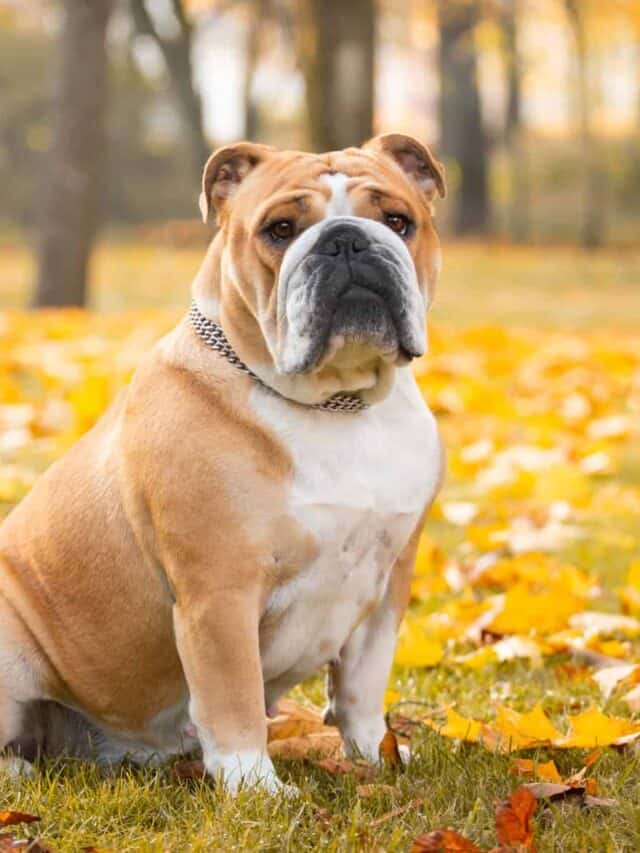
The Australian Bulldog is a locally developed bulldog type, bred to keep the affectionate, courageous bulldog character while improving health, mobility and breathing compared with the heavily exaggerated English Bulldog. The result is a stocky, muscular, medium-sized dog that is typically loyal, gentle, confident and very fond of its people. They make easygoing, good-natured family dogs that enjoy being around their humans and are usually patient and tolerant. They suit families wanting a solid, characterful companion without extreme exercise demands. They are less suited to owners chasing a high-energy sporting dog or a guard dog. The short coat needs only a weekly brush, but any facial or body wrinkles need regular cleaning to prevent skin problems. As a developing breed rather than an ANKC pedigree, choose the breeder carefully.
Size
Medium
Lifespan
10-12 years
Group
Not ANKC Recognised
Height
Male: 46-51 cm (18-20 inches), Female: 44-48 cm (17-19 inches)
Weight
Male: 28-35 kg (62-77 lbs), Female: 23-28 kg (51-62 lbs)
Origin
Australia
Compatibility & care
How this breed fits into life with you
Scores are out of 5. Tap the help icon next to any trait to see what it really means.
Personality
How they think and behave
With family
Who they get along with
Care needs
What they ask of you
Origin & history
The Australian Bulldog was developed in Australia from around the 1990s by breeders, notably Pip Nobes and others, who set out to create a bulldog suited to the Australian climate and lifestyle with sounder health than the modern English Bulldog. Foundation stock drew on bulldog breeds and other bull-breed influences, with the stated aims of a longer muzzle for easier breathing, better hip structure, athletic ability and a stable, friendly temperament. The breed is maintained through dedicated breed clubs and registries rather than ANKC pedigree recognition, so it remains a developing breed and type can vary between breeders. Anyone considering one should research the specific breeder and registry, and ask directly about how they breed for health rather than for an extreme bulldog look.
Temperament
Australian Bulldogs are generally affectionate, loyal and gentle with their families, often forming a close bond and enjoying plenty of human company. They tend to be good with children, being patient and fairly tolerant, though as with any sizeable, strong dog, play with small kids should be supervised. With strangers most are confident and friendly rather than aggressive, and while their solid build and bark give some natural deterrence, they are not primarily guard dogs. Properly socialised, they usually get on with other dogs and household pets. They are reasonably trainable and respond best to patient, reward-based methods, though a bulldog stubborn streak can surface, so consistency helps. They are people-oriented dogs that thrive on being included in family life and do not like being left alone for long periods.
Appearance
A medium-sized, thick-set and muscular dog that looks powerful but should move freely. Dogs generally stand around 45 to 52 cm at the shoulder and weigh roughly 23 to 35 kg, with males noticeably larger than females. The head is broad with a relatively short but, in soundly bred dogs, more open muzzle than the English Bulldog, the aim being a functional face with room to breathe. The body is compact and well-boned with a deep chest. The coat is short, smooth and close, coming in colours such as white, fawn, red and brindle, frequently with pied markings. There may be some wrinkling around the face, though less extreme than in the English Bulldog.
Suitability
This breed suits families or individuals wanting a loyal, affectionate companion that is solid and characterful without needing endless exercise. It adapts well to different homes, from houses with yards to smaller dwellings, provided it gets daily moderate exercise and good company. Its gentle, manageable temperament makes it a reasonable choice for a committed first-time owner willing to handle the grooming and heat-care basics. It is a sociable dog that dislikes long stretches alone. Heat care is the key Australian consideration: even with the breed's improved muzzle, bulldog types cool themselves less efficiently than long-nosed breeds, so provide shade and fresh water, avoid exercise in the heat of the day, and watch closely for excessive panting in summer.
Health
The breed was created specifically to reduce the well-known health problems of the English Bulldog, but as a bull-breed it still warrants careful health scrutiny, and as a developing breed its long-term health record is still being built. Likely lifespan is around 10 to 12 years. The conditions to ask about are brachycephalic airway issues (less severe in soundly bred lines but still a consideration), hip and elbow dysplasia, and skin-fold dermatitis where wrinkling exists. Bull-breeds can also be prone to certain heart conditions. A responsible breeder will provide hip and elbow scores on the parents, breed for dogs that breathe and exercise comfortably, and be candid about what they test. Look for an open nostril and a dog that can exercise without distress. Keep any wrinkles clean and dry, and keep the dog lean to protect its joints and breathing.
Find your Australian Bulldog
Browse trusted Australian Bulldog breeders across Australia and read genuine reviews from real owners, or take the quiz to be sure of the fit.