
Bulldog
English Bulldog, British Bulldog
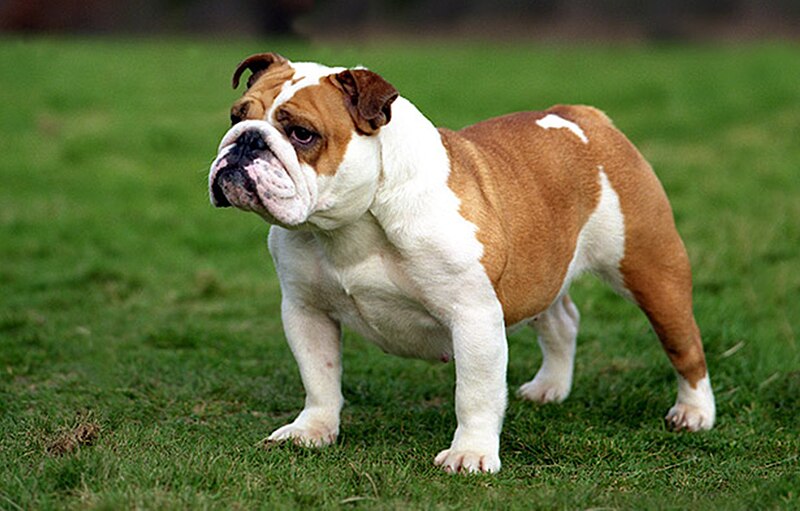
The Bulldog is a thickset, low-slung dog with a wrinkled face and a famously calm, affectionate way about it. Bred down from fighting stock into a companion, the modern Bulldog is gentle, patient and very people-focused, happy to spend most of the day snoozing near its owner. It is good with children and tolerant of a fair bit of handling. Energy needs are genuinely low, a couple of short, gentle walks suit it best, and it should never be pushed in the heat. This is not the dog for someone who wants a jogging mate or an off-lead bush walker. The coat is short and easy, but the face wrinkles and tail pocket need regular cleaning to prevent infection. Anyone considering one should research the breed's health honestly first, as the flat face carries real welfare costs.
Size
Medium
Lifespan
8-10 years
Group
Group 7 - Non Sporting
Height
31-40 cm (12-16 inches) There is no prescribed height, but shorter Bulldogs are more prized when being shown
Weight
Male: 24-25 kg (53-55 lbs), Female: 22-23 kg (48-51 lbs)
Origin
United Kingdom
Compatibility & care
How this breed fits into life with you
Scores are out of 5. Tap the help icon next to any trait to see what it really means.
Personality
How they think and behave
With family
Who they get along with
Care needs
What they ask of you
Origin & history
The Bulldog comes from England, where its ancestors were used for bull-baiting, a cruel blood sport in which dogs were set on tethered bulls. When baiting was outlawed in 1835, the breed could easily have died out. A group of fanciers reworked it through the second half of the nineteenth century into a show and companion dog, and the temperament was deliberately softened away from aggression. The exaggerated build of today, the very flat face, heavy wrinkling and wide front, is largely a product of that later breeding rather than the original working animal, which was taller and more athletic. The Bulldog became a national symbol of British stubbornness and pluck, which cemented its popularity. It remains common in Australia as a pet, though responsible breeders and vets increasingly push for a return to a more moderate, functional head and body to ease the breed's breathing problems.
Temperament
Bulldogs are easygoing, soft-natured and deeply attached to their families. They tend to be gentle and forgiving with children, and most are friendly rather than suspicious with visitors, so they make poor guard dogs despite the tough looks. With other dogs they are usually placid, though some males can be a bit pushy, and early socialisation helps. They get on fine with other pets when raised together. There is a well-known stubborn streak, so training works best when it is short, upbeat and motivated by food, and harsh methods get you nowhere. They are not especially independent and would much rather be with you than left alone. Mental needs are modest, but they do need gentle daily activity and steady routine to stay happy and avoid piling on weight.
Appearance
A medium-sized but heavy dog, the Bulldog usually stands around 31 to 40cm at the shoulder and weighs roughly 18 to 25kg, with males heavier than females. The build is broad, low and muscular, with a wide chest, a large head and a short, upturned muzzle set in deep facial wrinkles. The lower jaw is undershot. Ears are small and folded back in a rose shape. The coat is short, smooth and fine, and comes in brindle, red, fawn, white, and combinations of these, often with a darker mask. The rolling, side-to-side gait is characteristic.
Suitability
This breed suits a relaxed household more than an active one, and it does well in an apartment or a small home because its exercise needs are light. It is a reasonable choice for a first-time owner who has done the homework on the breed's health and budgeted for likely vet bills. Bulldogs are companionable and do not love long stretches alone, so a home where someone is around for much of the day is ideal. The big caveat in Australia is heat. Flat-faced dogs cope poorly with our summers, so they need air conditioning or a cool indoor spot, walks only in the cool of the morning or evening, and constant care never to let them overheat.
Health
Lifespan is typically around 8 to 10 years, shorter than most breeds of its size, and the Bulldog carries a heavy load of well-documented health problems. The flat face means many dogs suffer brachycephalic obstructive airway syndrome, with noisy, laboured breathing and poor heat tolerance, and surgery is sometimes needed. They overheat dangerously fast and are at real risk of heat stroke. Skin-fold dermatitis, cherry eye, entropion and dry eye are common, along with hip dysplasia, patellar luxation and spinal malformations linked to the screw tail. Many litters are born by caesarean. Buy only from a breeder who screens for hip and spinal problems, has eyes checked, and is openly breeding for better airways and a more moderate head. Ask to meet a parent and watch it breathe and move after gentle exercise.
Find your Bulldog
Browse trusted Bulldog breeders across Australia and read genuine reviews from real owners, or take the quiz to be sure of the fit.