
Bichon Frise
Tenerife Dog, Bichon Tenerife, Bichon A Poil Frise, Bichon Tenerife
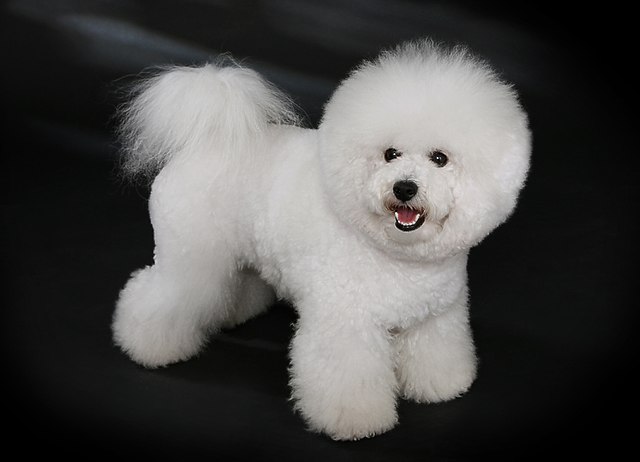
The Bichon Frise is a small, cheerful companion breed with a soft, curly white coat and a personality to match its bright looks. These are sociable, affectionate little dogs that genuinely love people and want to be in the thick of things. They are playful and clever, often happy to entertain the household, and they tend to get along with children, other dogs and visitors alike. Exercise needs are modest, a couple of short walks and some play indoors are plenty, which makes them adaptable to most homes. They suit singles, families and older owners after a friendly lap dog, but they are not for people who are out all day, as they bond closely and can fret when left alone too long. The coat sheds very little but is high-maintenance, needing daily brushing and regular professional clipping to stay free of mats.
Size
Small
Lifespan
12-15 years
Group
Group 1 - Toys
Height
Male: 18-28 cm (7-11 inches), Female: 18-28 cm (7-11 inches)
Weight
Male: 3-5 kg (7-12 lbs), Female: 3-5 kg (7-12 lbs)
Origin
France Spain
Compatibility & care
How this breed fits into life with you
Scores are out of 5. Tap the help icon next to any trait to see what it really means.
Personality
How they think and behave
With family
Who they get along with
Care needs
What they ask of you
Origin & history
The Bichon Frise descends from the small white bichon-type dogs of the Mediterranean, with roots usually traced to Tenerife and Spanish and French lineage. Sailors are thought to have carried these dogs around Mediterranean ports from the Middle Ages onward, and by the Renaissance they had become fashionable lap dogs among European nobility, appearing in paintings of the French and Spanish courts. Their fortunes rose and fell with fashion, and by the late 1800s many were working as street performers and circus dogs, prized for their wits and trainability. French and Belgian breeders formalised the modern breed in the early twentieth century, and the name Bichon Frise, roughly meaning curly lap dog, was settled around then. Today the breed is a well-established and popular companion in Australia.
Temperament
This is one of the friendliest of the small breeds. With family the Bichon is loving, merry and playful, thriving on company and quick to join in whatever is happening. It is usually very good with children, gentle and tolerant, though as with any small dog, play with little ones should be supervised. Bichons are sociable rather than suspicious with strangers and tend to greet visitors as new friends, which makes them poor guard dogs beyond a few alert barks. They generally mix well with other dogs and pets. They are intelligent and trainable, with a history as performing dogs, and they respond beautifully to reward-based training, though house-training can take patience as it does with many toy breeds. Their defining need is companionship: Bichons are prone to separation anxiety and do not do well left alone for long days.
Appearance
A small, sturdy dog standing about 23 to 30 cm at the shoulder and weighing roughly 5 to 8 kg. The coat is the defining feature: a soft, dense undercoat beneath a curly outer coat that, when groomed out, gives the breed its rounded, powder-puff look. The colour is white, sometimes with shadings of cream or apricot around the ears when young. The head is rounded with dark, expressive round eyes and a black nose and lips, set off by the surrounding white coat, and the tail is carried in a plume curved over the back. Trimmed for show or kept in a shorter pet clip, the outline is neat and balanced.
Suitability
Bichons adapt happily to apartments or houses, making them a good fit for city living, and their modest exercise needs and easy nature suit first-time owners, singles, families and seniors alike. The main caution is time, this is a dog that wants company and can become anxious, noisy or destructive if regularly left alone for long stretches, so they suit a household where someone is around much of the day. They cope reasonably with Australian conditions, but the white coat and small size mean they should be kept cool and shaded in summer and not over-exercised in the heat. Factor in the grooming commitment from the start: daily brushing at home and a professional clip every few weeks are part of the deal.
Health
Bichons are a generally healthy little breed and many live 13 to 16 years. The most common issues are dental disease, which is a real concern in small breeds and calls for regular tooth care, and skin allergies that can show as itching, ear trouble and recurrent infections. They are prone to patellar luxation (slipping kneecaps), and some are affected by bladder stones, so steady access to water and a suitable diet help. Eye conditions including cataracts occur in the breed, and a few lines carry hip problems and the inherited condition Legg-Calve-Perthes. Choose a breeder who has eyes tested and patellas checked, and who can talk knowledgeably about allergies and longevity in their lines. Routine grooming that keeps the coat and ears clean and dry goes a long way to preventing the breed's common skin and ear problems.
Find your Bichon Frise
Browse trusted Bichon Frise breeders across Australia and read genuine reviews from real owners, or take the quiz to be sure of the fit.