
Brussels Griffon
Griffon Belge, Griffon Bruxellois, Belgian Griffon
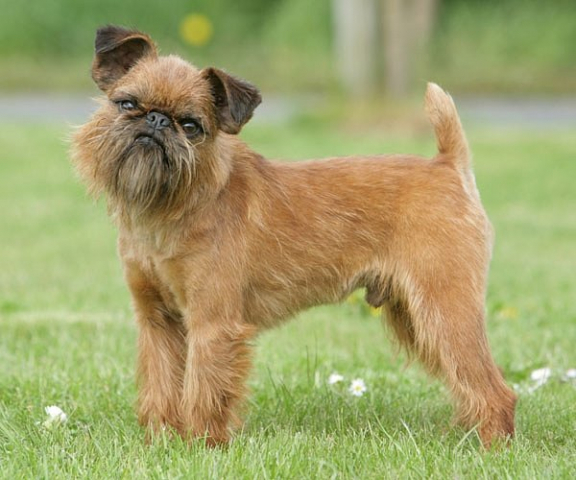
The Brussels Griffon is a tiny Belgian companion dog with a short, almost human-looking face, big dark eyes and a confident, comical personality far bigger than its size. Griffons are devoted, sensitive and intensely attached to their people, often picking one favourite and following them from room to room. They are bright and trainable but a little sensitive and sometimes stubborn, and they thrive on attention and company rather than being left to their own devices. There are two coat types, a rough wiry coat that needs hand-stripping or regular clipping and a smooth coat that just needs a quick brush. As a flat-faced toy breed they can be prone to breathing and eye problems and they feel the heat, which matters in Australia. Charming and characterful as they are, Griffons can be prone to separation anxiety and are not the breed for a household that is out all day.
Size
Smallest
Lifespan
12-15 years
Group
Not ANKC Recognised
Height
Male: 18-20 cm (7-8 inches), Female: 18-20 cm (7-8 inches)
Weight
Male: 2.5-5.5 kg (6-12 lbs), Female: 2.5-5.5 kg (6-12 lbs)
Origin
Belgium
Compatibility & care
How this breed fits into life with you
Scores are out of 5. Tap the help icon next to any trait to see what it really means.
Personality
How they think and behave
With family
Who they get along with
Care needs
What they ask of you
Origin & history
The Brussels Griffon comes from Belgium, where it developed in the 1800s from small rough-coated ratting terriers kept in stables and shops to control vermin, particularly around Brussels. These working ratters were crossed with toy breeds, including the Pug and the affenpinscher, and probably the King Charles Spaniel, which softened the look, brought in the smooth coat and the shortened face, and turned a stable dog into a fashionable companion. The breed became popular with Belgian high society and even royalty in the late nineteenth century, which helped fix the type. Numbers fell sharply through the two world wars, and the breed was rebuilt afterwards by dedicated breeders. It remains an uncommon but well-loved companion in Australia, recognised for its outsized personality. Confusingly, the rough and smooth coats are treated as separate breeds in some countries and as one breed with varieties in others.
Temperament
The Brussels Griffon is affectionate, alert and surprisingly bold, a real personality dog that bonds hard to its family and often attaches most strongly to one person. They are loving and entertaining at home and can be good with gentle, older children, but they are small and a bit self-important and may not tolerate rough handling from toddlers, so they often suit a calmer household. They tend to be reserved or yappy with strangers and make keen little watchdogs, alerting loudly to anything new. With other dogs and pets they usually get along, especially when socialised early. They are intelligent and learn quickly but can be sensitive and stubborn, and being a small breed they are easy to spoil, so consistent, gentle, reward-based training and proper house-training routines matter. Their biggest need is company: Griffons want to be with their people and are prone to separation anxiety.
Appearance
This is a small, sturdy, compact toy dog, typically weighing around 3.5 to 6 kg and standing roughly 18 to 25 cm at the shoulder. Despite the small size it looks solid rather than delicate. The head is the hallmark: round and large for the body, with a very short upturned muzzle, a domed skull, big wide-set dark eyes and an almost human or monkeyish expression. There are two coat types, a harsh wiry rough coat with a beard and fringe, and a short tight smooth coat. Colours include red, a black and reddish-brown mix known as belge, black and tan, and solid black. Ears may be natural and semi-erect or, where still permitted, cropped.
Suitability
The Brussels Griffon is well suited to apartment or small-home living and to owners who want a close, indoor companion, including older people and gentle households, and it can work for a first-time owner who is around a lot. Its modest size means exercise needs are low, a daily walk and some play, but its emotional needs are high and it does not cope well with being left alone for long, so it is a poor choice for a home that is empty all day. The flat face is the key climate caveat: Griffons tolerate heat poorly and are at real risk in hot, humid Australian conditions, so keep them cool and indoors on hot days, avoid exercise in the heat, and always have shade and fresh water available.
Health
A well-bred Brussels Griffon typically lives around 12 to 15 years. As a flat-faced (brachycephalic) breed it can suffer from brachycephalic airway problems that make breathing harder, especially in heat or during exertion, and the prominent eyes are vulnerable to dryness, ulcers and injury. The breed is among those predisposed to syringomyelia, a serious condition where a malformation at the back of the skull leads to fluid-filled cavities in the spinal cord, causing pain and neurological signs. Patellar luxation (slipping kneecaps) is common in toy breeds, and Griffon bitches quite often need caesareans because of the large heads. Eye testing and patella checks on the parents are worth asking for, and a good breeder will be open about airway and syringomyelia issues in their lines rather than brushing the questions aside.
Find your Brussels Griffon
Browse trusted Brussels Griffon breeders across Australia and read genuine reviews from real owners, or take the quiz to be sure of the fit.