
Belgian Shepherd Dog (Groenendael)
Groenendael, Chien De Berger Belge
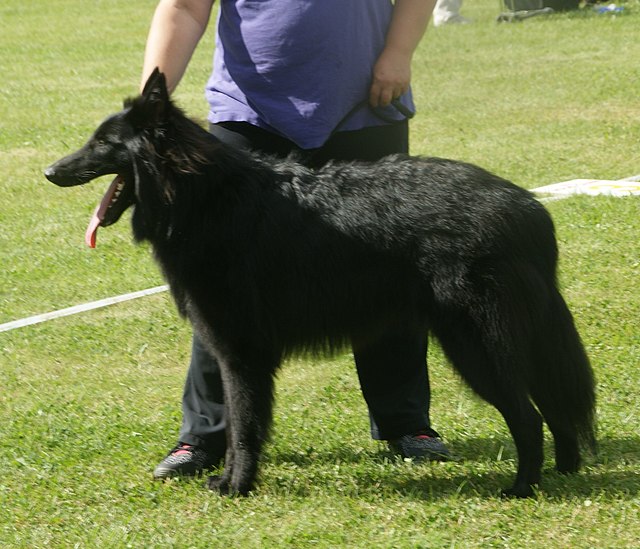
The Groenendael is the long-haired all-black variety of the Belgian Shepherd Dog, an elegant, intelligent herding breed with a serious work ethic. Behind the striking black coat is an active, sensitive dog that needs a job and a close bond with its people. Groenendaels are clever, quick to learn and devoted, excelling in obedience, agility, herding and tracking, but they need substantial daily exercise and mental stimulation or they grow anxious and destructive. They are typically reserved with strangers and make alert watchdogs, while being affectionate and loyal at home. The long double coat needs brushing two or three times a week and more during the heavy seasonal moult. This breed suits experienced, active owners who want an involved canine partner. It is not well matched to first-time owners, apartment-bound households, or anyone unable to give it the time and work it needs.
Size
Large
Lifespan
12-14 years
Group
Group 5 - Working Dogs
Height
Male: 61-66 cm (24-26 inches), Female: 56-61 cm (22-24 inches)
Weight
Male: 29-34 kg (65-75 lbs), Female: 27-32 kg (60-70 lbs)
Origin
Belgium
Compatibility & care
How this breed fits into life with you
Scores are out of 5. Tap the help icon next to any trait to see what it really means.
Personality
How they think and behave
With family
Who they get along with
Care needs
What they ask of you
Origin & history
The Groenendael is one of the four varieties of the Belgian Shepherd Dog, all established in Belgium in the late 1800s as the country's native herding dogs were standardised by type and coat. This long-haired black variety is named after the Chateau de Groenendael near Brussels, where breeder Nicolas Rose developed and fixed the type from a pair of black dogs in the 1890s. Like its relatives the Malinois, Tervueren and Laekenois, it began as a farm and herding dog but soon showed real aptitude for police and military work, serving as a messenger, sentry and ambulance dog in the world wars. It remains a respected working and sport dog as well as a companion. In Australia the Groenendael is uncommon but well regarded among herding, obedience and agility enthusiasts who value its intelligence and biddability.
Temperament
The Groenendael is intelligent, alert and deeply attached to its family, a dog that wants to be involved in everything its people do. It is affectionate and loyal at home and can be very good with children it is raised with, though its herding instinct may show as circling or gentle nipping at moving feet that needs redirecting. It is naturally watchful and tends to be reserved or aloof with strangers, which makes it a fine watchdog but means early and thorough socialisation is essential to keep that wariness from tipping into shyness or suspicion. It is generally sociable with familiar dogs but can be reserved with strange ones. Highly trainable and eager to work with its handler, it is also sensitive and responds badly to harsh methods, doing best with patient, positive, varied training. The core needs are exercise, mental work and close companionship, since a bored or isolated Groenendael becomes anxious and destructive.
Appearance
A medium-to-large, elegant and well-balanced dog, generally 56 to 66 cm at the shoulder and around 20 to 30 kg, with bitches finer than dogs. The defining feature is the long, straight, abundant double coat, always solid black, forming a pronounced ruff around the neck, feathering on the legs and a generous plume on the tail, sometimes with a small amount of white on the chest or toes. The head is long and clean, the dark almond eyes giving a bright, questioning look, and the ears are stiff, triangular and erect. The overall impression is of a proud, graceful, square-built shepherd that moves lightly and tirelessly, with a tendency to circle when working.
Suitability
This breed suits an experienced, active owner or family who will give it daily exercise, training and a real role, whether that is herding, dog sport or simply structured work and walks. A house with a securely fenced yard is the natural fit, and it is not a breed for apartments or sedentary homes. Its sensitivity and exercise needs make it a poor first dog for most people, though a dedicated, active novice who commits to training and socialisation can do well. Groenendaels bond intensely and dislike being left alone for long days, becoming anxious and noisy when isolated. The long black double coat gives good insulation but absorbs heat, so the Australian summer needs managing carefully, with shade, water and exercise kept to the cooler parts of the day.
Health
Groenendaels generally live 12 to 14 years and are a fairly healthy breed, but several inherited conditions are worth knowing. Hip and elbow dysplasia occur, so breeding dogs should be hip and elbow scored. Eye conditions including progressive retinal atrophy and cataracts are seen, and the breed can be affected by epilepsy and by thyroid disease. There are also occasional reports of certain stomach and digestive problems, and some anaesthetic sensitivity is noted across the Belgian Shepherd varieties. Buy from a breeder who hip and elbow scores both parents, has them eye-tested, and breeds for sound, stable temperament, asking to see the certificates rather than taking claims on faith. Meeting the parents also gives a useful read on the temperament a pup may inherit.
Find your Belgian Shepherd Dog (Groenendael)
Browse trusted Belgian Shepherd Dog (Groenendael) breeders across Australia and read genuine reviews from real owners, or take the quiz to be sure of the fit.