
Bearded Collie
Highland Collie, Mountain Collie, Argle Bargle
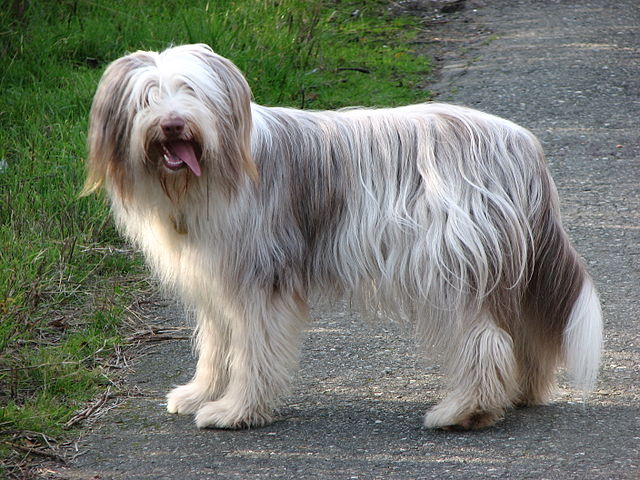
The Bearded Collie is a medium-sized herding dog from Scotland, all bounce and shaggy coat and good humour. Beardies are bright, affectionate and endlessly enthusiastic, which makes them brilliant fun and a handful in equal measure. This is a high-energy working breed that needs a solid hour or more of exercise a day plus a job for its brain, or it will invent its own entertainment. They are people-oriented, good with children and generally sociable with other dogs. The long double coat is the real commitment, needing brushing several times a week and a thorough going-over to prevent matting, especially as the puppy coat changes. Beardies suit active owners who want a busy, involved companion. They are a poor match for anyone after a calm, low-maintenance dog or a tidy house, since the coat collects mud, leaves and water with great enthusiasm.
Size
Medium
Lifespan
12-14 years
Group
Group 5 - Working Dogs
Height
Male: 51-56 cm (20-22 inches), Female: 51-56 cm (20-22 inches)
Weight
Male: 18-27 kg (40-60 lbs), Female: 18-27 kg (40-60 lbs)
Origin
United Kingdom
Compatibility & care
How this breed fits into life with you
Scores are out of 5. Tap the help icon next to any trait to see what it really means.
Personality
How they think and behave
With family
Who they get along with
Care needs
What they ask of you
Origin & history
The Bearded Collie developed in Scotland as a working sheepdog, used by hill shepherds and drovers to gather and move stock across rough, wet country. Dogs of this rough-coated droving type were known for centuries, and the shaggy weatherproof coat was entirely practical for the Scottish Highlands. The breed as we know it was very nearly lost after the world wars and was rebuilt from a small number of dogs in the mid-1900s, largely thanks to the efforts of breeder Olive Willison, before spreading as a show and companion dog. Working strains and show strains diverged somewhat over time, but the herding instinct remains strong in most lines. Beardies are well established in Australia today, kept both as family dogs and by some graziers, and they still show their droving heritage when they try to round up children, joggers and other pets.
Temperament
Beardies are famously good-natured, bouncy and demonstrative. They form strong bonds with their families, love being in the thick of household life, and are typically excellent with children, matching kids for energy and enthusiasm. They are sociable with other dogs and usually fine with household pets, though the herding instinct can have them circling and nudging anything that moves. They are intelligent and trainable but also independent and a touch headstrong, a legacy of working alone on the hills, so they respond to upbeat, varied, reward-based training rather than heavy-handed methods. As watchdogs they will bark to announce visitors but are far too friendly to guard. The core needs are plenty of exercise, mental stimulation and company, because a bored or lonely Beardie becomes noisy, destructive and bouncier still.
Appearance
A medium-sized, lean and athletic dog, generally 51 to 56 cm at the shoulder and around 18 to 27 kg, built longer than tall. The hallmark is the long, flat, harsh outer coat over a soft dense undercoat, with the namesake beard on the muzzle and brows that often hide a pair of warm, enquiring eyes. Puppies are born dark and lighten as they grow, and the adult coat appears in black, blue, brown or fawn, frequently with white markings on the face, chest, legs and tail tip. The overall look is shaggy and slightly unkempt rather than sculpted, with a low, smooth, ground-covering gait.
Suitability
This breed suits an active person or family with the time for daily exercise, training and a fair amount of grooming. A house with a securely fenced yard is ideal, since Beardies love room to run, though they can manage with less space if properly exercised, given how much they need to be near their people. They are not the easiest first dog because of the energy, the independent streak and the coat care, but a committed, active novice who does the homework can absolutely succeed. They dislike being left alone for long stretches and want to be involved in family life. The dense double coat gives good protection but means heat must be managed in the Australian summer, so provide shade and water and exercise in the cooler parts of the day.
Health
Bearded Collies usually live 12 to 14 years and are a fairly sound breed, but several inherited conditions are worth knowing. Hip dysplasia occurs, so breeding dogs should be hip scored. The breed has a notable predisposition to autoimmune disorders, including Addison's disease (hypoadrenocorticism) and autoimmune thyroid disease, and these run in some lines. Eye conditions such as progressive retinal atrophy and cataracts are also seen, and a few carry an inherited eye disorder. Before buying, ask the breeder for hip scores on both parents, current eye certificates, and honest information about any autoimmune disease in the line, since that is harder to test for and depends on the breeder's records. A breeder who keeps and shares this information is the one to choose.
Find your Bearded Collie
Browse trusted Bearded Collie breeders across Australia and read genuine reviews from real owners, or take the quiz to be sure of the fit.