
Basset Fauve de Bretagne
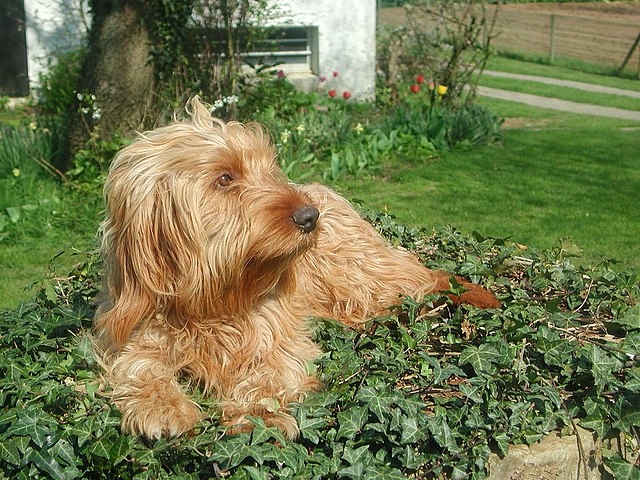
Fawn Brittany Basset
The Basset Fauve de Bretagne is a small, sturdy French scenthound with a harsh fawn coat and a cheerful, busy nature. Bred to hunt rabbit and hare through the rough cover of Brittany, it is a hardy little worker with a superb nose and the determination to follow it. It is friendly, sociable and affectionate, more outgoing and energetic than the heavier Basset Hound, and it keeps a strong drive to track and explore. Exercise needs are moderate to high for its size; it wants daily walks plus chances to sniff and roam, ideally in a secure space. It suits active owners and families who enjoy an upbeat, food-motivated hound and do not mind a dog that follows its nose. It is less suited to people wanting a calm, off-lead-reliable pet. The wiry coat sheds modestly and needs brushing plus occasional hand-stripping.
Size
Small
Lifespan
11-14 years
Group
Group 4 - Hounds
Height
Male: 32-38 cm (13-15 inches), Female: 32-38 cm (13-15 inches)
Weight
Male: 11-16 kg (25-35 lbs), Female: 11-16 kg (25-35 lbs)
Origin
France
Compatibility & care
How this breed fits into life with you
Scores are out of 5. Tap the help icon next to any trait to see what it really means.
Personality
How they think and behave
With family
Who they get along with
Care needs
What they ask of you
Origin & history
The Basset Fauve de Bretagne comes from Brittany in north-western France and is an old regional scenthound, the short-legged relative of the larger Griffon Fauve de Bretagne. It was bred to hunt small game, especially rabbit and hare, working close to the gun through the dense gorse and undergrowth of the Breton countryside, where its low build, harsh protective coat and persistent nose were all assets. The breed nearly disappeared around the time of the World Wars and was rebuilt from a small number of dogs, which is part of why it remains relatively uncommon, though it has a steady following among hunters and companion owners in France and beyond. It is recognised internationally as a scenthound. While not widely known in Australia, it appears here and there as a hardy, characterful family hound.
Temperament
This is a friendly, sociable and good-tempered hound that enjoys company and fits well into busy family life. With its own people it is affectionate and cheerful, and it generally does well with children and with other dogs, having been bred to hunt in packs and so to tolerate canine company. It is usually welcoming rather than wary with strangers, which makes it a friendly greeter but only a modest watchdog. The strong hunting instinct and excellent nose are the defining behavioural traits: once a Fauve picks up a scent it can become single-minded and effectively deaf to recall, so secure fencing and on-lead walks in open areas are wise, and cats or small pets it has not grown up with may be chased. It is intelligent and capable but has the independent, self-directed streak typical of scenthounds, so training should be patient, consistent and built around food rewards, which this very food-motivated breed responds to well.
Appearance
A small, solidly built, low-set hound, longer than it is tall but more compact and lighter on its legs than the Basset Hound. Most stand about 32 to 38 cm at the shoulder and weigh roughly 11 to 16 kg. The coat is the hallmark: short, very harsh, wiry and dense, lying flat and giving a slightly rough, shaggy look, with a weatherproof texture suited to working in thick cover. The colour is fawn, ranging from a golden wheaten through to a rich red, sometimes with a little white on the chest. The ears are set at eye level, fine and not over-long, reaching about to the end of the muzzle, the eyes are dark with a lively, friendly expression, and the overall impression is of a tough, willing little hound.
Suitability
The Basset Fauve de Bretagne adapts to different homes, including smaller ones, provided it gets enough daily exercise and mental work, but a house with a secure, well-fenced yard suits its nose-led nature best. It fits active individuals and families who want a sturdy, upbeat hound and are happy to keep it on lead or safely contained when out. It can be a reasonable choice for a first-time owner who understands scenthound independence and the recall challenge. It is sociable and prefers company, coping better when not left alone for very long stretches. The harsh, weatherproof coat handles cool and wet conditions well, and copes reasonably with warmth, but Australian summers still call for shade, water and walks in the cooler parts of the day, with care not to let this food-loving hound become overweight.
Health
The Basset Fauve de Bretagne is a fairly hardy breed and typically lives around 12 to 15 years. It has fewer exaggerated problems than some short-legged hounds, but a few concerns are worth knowing. The long, low-set ears trap moisture and warmth and are prone to infection, so regular ear checks and cleaning are important. The long-backed, short-legged build means intervertebral disc disease is a possibility, so keeping the dog lean and discouraging repeated jumping on and off furniture helps protect the spine. Patellar luxation and some eye conditions occur in the breed, and as a keen, food-driven hound it puts on weight easily, which worsens both joint and disc problems. Buy from a breeder who is open about health in their lines and screens eyes and knees where relevant, and keep the dog fit and lean throughout its life.
Find your Basset Fauve de Bretagne
Browse trusted Basset Fauve de Bretagne breeders across Australia and read genuine reviews from real owners, or take the quiz to be sure of the fit.