
Chow Chow
Chow, Chowdren
The Chow Chow is a medium-sized, powerfully built dog from China, instantly recognised by its lion-like ruff, scowling expression and blue-black tongue. Aloof and dignified, the Chow behaves more like a cat than a typical dog, choosing one or two people to bond with and treating everyone else with cool indifference. It is calm and undemanding indoors and needs only moderate exercise, a daily walk or two rather than long runs. This is not a breed for first-time owners or anyone hoping for a cuddly, eager-to-please companion, as Chows are stubborn, strong-willed and can be touchy about being handled. Early, patient socialisation is essential to keep that natural wariness from tipping into guarding problems. There are two coat types, rough and smooth, and both shed heavily and need regular brushing to prevent matting.
Size
Medium
Lifespan
13-15 years
Group
Group 7 - Non Sporting
Height
Male: 46-51 cm (18-20 inches), Female: 43-48 cm (17-19 inches)
Weight
Male: 20-32 kg (45-70 lbs), Female: 20-32 kg (45-70 lbs)
Origin
China
Compatibility & care
How this breed fits into life with you
Scores are out of 5. Tap the help icon next to any trait to see what it really means.
Personality
How they think and behave
With family
Who they get along with
Care needs
What they ask of you
Origin & history
The Chow Chow is one of the oldest recognisable dog types, with Chinese depictions of similar spitz dogs going back around two thousand years. In its homeland it was a true all-rounder, used for hunting, guarding, pulling carts and sleds, and at times raised for meat and fur, which shaped its hardy, self-reliant nature. The odd English name is generally thought to come from pidgin trade slang used by 18th and 19th century merchants for miscellaneous cargo from the East. The breed reached Britain in the late 1800s and gained a boost when Queen Victoria took an interest. From there it spread to the rest of the world as a distinctive companion and show dog. In Australia the Chow has a small but devoted following among owners who appreciate its independence and striking looks.
Temperament
Independent to the core, the Chow Chow forms a strong attachment to its chosen person or family but rarely seeks constant fuss. With children it can do well in a calm, respectful household, though it tends to dislike rough handling and suits homes with older kids better than toddlers. Many Chows are intolerant of unfamiliar dogs and can be same-sex aggressive, and they often view strangers with flat suspicion, which makes thorough early socialisation non-negotiable. They have a real guarding streak and will defend their home and people. Training takes patience and consistency, as the breed is intelligent but genuinely stubborn and sees little point in repetition for its own sake. The Chow is an excellent natural watchdog. Its key behavioural need is firm, fair leadership from an owner who respects its dignity rather than trying to force affection.
Appearance
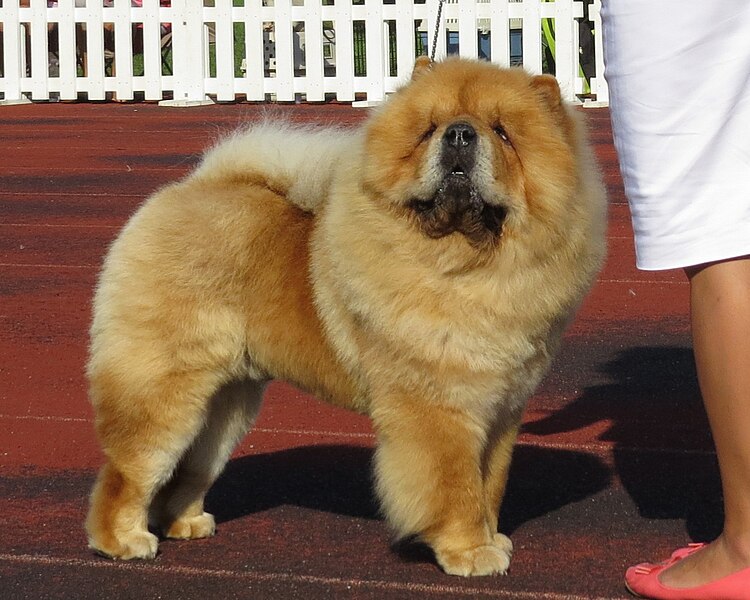
Chow Chows generally stand about 46 to 56 cm at the shoulder and weigh roughly 20 to 32 kg. The body is compact and square with heavy bone, a broad skull and a short, deep muzzle. Two features set the breed apart, the blue-black tongue and gums, and the distinctive stilted, stiff-legged gait that comes from very straight hindquarters. The rough coat is thick and stand-off with a pronounced mane around the head and neck, while the smooth coat is shorter and plush. Accepted colours are red, black, blue, cinnamon and cream, usually solid.
Suitability
A Chow Chow suits a calm, structured home with an experienced owner who understands aloof, strong-minded breeds. A house with a yard is ideal, though the breed's modest exercise needs mean it can manage in a larger apartment if walked regularly. This is firmly not a first-time owner's dog, and homes with very young children should think carefully. Chows tolerate time alone better than many breeds thanks to their self-contained nature, but they still need company and early socialisation. The Australian climate is a real consideration, as that dense double coat and short muzzle make Chows prone to overheating. Provide shade and water, walk in the cool of the day, and never shave the coat to the skin, as it protects against sunburn and heat.
Health
Chow Chows usually live around 9 to 12 years. The deep-set eyes are a known weak point, with entropion (eyelids rolling inward against the eye) common enough that some dogs need surgical correction. Hip and elbow dysplasia occur in the breed, so look for parents with hip and elbow scores. Other recognised problems include hypothyroidism, certain skin conditions, and a raised risk of gastric bloat given the deep chest. The breed's heavy coat and short muzzle also make it sensitive to heat. Choose a breeder who hip and elbow scores their dogs, checks eyes, and is open about thyroid and skin issues in their lines. Learn the warning signs of bloat, as it is a genuine emergency.
Find your Chow Chow
Browse trusted Chow Chow breeders across Australia and read genuine reviews from real owners, or take the quiz to be sure of the fit.