
Dandie Dinmont Terrier
Dandie, Hindlee Terrier
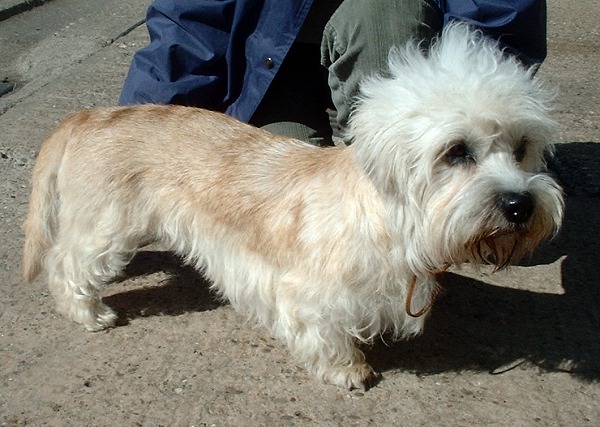
The Dandie Dinmont Terrier is an unusual-looking little terrier with a long body, short legs, big soulful eyes and a soft topknot of hair on the head. It is one of the rarer terrier breeds and has a calmer, more dignified manner than most of its terrier cousins, with a surprisingly deep voice for its size. Dandies are affectionate and devoted with their family and tend to be more laid-back at home than a typical working terrier, but they keep the breed''s independence, determination and prey drive. They suit owners who want a characterful companion and do not mind a dog with a stubborn streak. Exercise needs are moderate. Daily walks and play are enough. The coat needs regular brushing and periodic professional grooming to keep its texture, and the long back means jumping should be limited to protect the spine.
Size
Small to Medium
Lifespan
12-14 years
Group
Group 2 - Terriers
Height
Male: 20-28 cm (8-11 inches), Female: 20-28 cm (8-11 inches)
Weight
Male: 8-11 kg (18-24 lbs), Female: 8-11 kg (18-24 lbs)
Origin
United Kingdom
Compatibility & care
How this breed fits into life with you
Scores are out of 5. Tap the help icon next to any trait to see what it really means.
Personality
How they think and behave
With family
Who they get along with
Care needs
What they ask of you
Origin & history
The Dandie Dinmont Terrier comes from the border country between Scotland and England and is one of the older terrier breeds, developed by the eighteenth century to hunt vermin such as rats, otters and badgers. It is the only breed named after a fictional character: Dandie Dinmont, a farmer in Sir Walter Scott''s 1815 novel Guy Mannering, who kept exactly these terriers, and the name stuck. Farmers and gypsies of the borders prized the breed for its gameness and its ability to work tough quarry despite its small size. The distinctive long body, short legs and topknot were fixed early. The Dandie has always been uncommon and today is one of the most vulnerable native breeds in Britain, with small numbers worldwide, including in Australia, kept going by a handful of dedicated breeders.
Temperament
For a terrier, the Dandie is notably composed and dignified, affectionate and bonded to its household while still independent and self-assured. With family it is loving and often happy to settle quietly indoors, and it generally does well with considerate, school-age children, though as with any dog supervision with toddlers is wise. Dandies can live happily with other dogs and with cats they are raised alongside, but their hunting heritage means a strong prey drive towards smaller animals, so rabbits, rodents and the like are not safe companions. They are alert and protective and, thanks to that big bark, make effective little watchdogs. Trainable but stubborn, they respond best to patient, reward-based methods and lose interest in repetitive drilling. Early socialisation helps them stay confident and friendly rather than wary.
Appearance
A small but substantial terrier, long in the body and low to the ground, standing only about 20 to 28 cm at the shoulder yet weighing a solid 8 to 11 kg, so heavier than its height suggests. The head is large and domed and crowned with a soft, silky topknot, and the large, round, dark eyes give the breed its characteristic gentle, wise expression. The coat is a distinctive mix of soft and crisp hair, about 5 cm long, and comes in two colours described by traditional names: pepper, ranging from dark bluish-grey to pale silvery grey, and mustard, from reddish-brown to pale fawn. The ears hang down with a feathered tip and the tail is shaped like a curved scimitar.
Suitability
Dandie Dinmonts adapt well to both apartments and houses provided they get daily walks and play, and their relatively calm indoor nature suits a quieter household. They can work for first-time owners who are prepared for a determined, independent dog and will stay consistent with training. They tolerate being left alone for moderate periods better than many companion breeds but still want company and do best when included in family life. A secure yard suits their love of sniffing and digging, and small pets should be kept separate given the prey drive. In the Australian climate the double coat means they feel the heat, so walk them in the cooler parts of the day in summer and always provide shade and fresh water.
Health
Dandie Dinmonts typically live around 12 to 15 years. The chief concern is their long back, which makes intervertebral disc disease a real risk; keeping the dog lean, discouraging jumping from heights and supporting the body when lifting all help protect the spine. The breed can also be prone to glaucoma and other eye disorders, so regular eye examinations are worthwhile, and to hypothyroidism, which is manageable once diagnosed. Because the gene pool is small, conscientious breeders pay close attention to overall health and avoid doubling up on problems. When buying, ask about back health, eye testing and any thyroid issues in the lines, and seek out a breeder who is candid about the breed''s small population and what they do to keep their dogs sound.
Find your Dandie Dinmont Terrier
Browse trusted Dandie Dinmont Terrier breeders across Australia and read genuine reviews from real owners, or take the quiz to be sure of the fit.