
Finnish Lapphund
Lapinkoira, Suomenlapinkoira
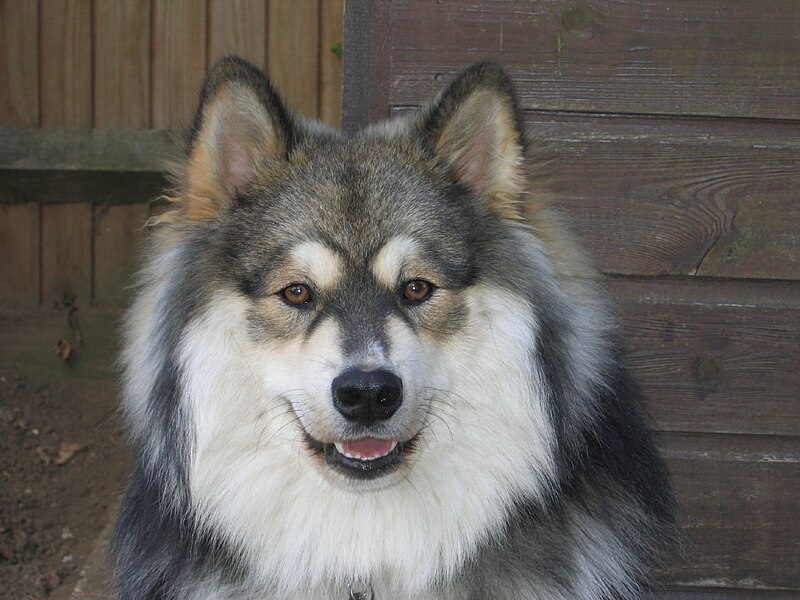
The Finnish Lapphund, or Lapinkoira, is a medium-sized, thick-coated spitz bred by the Sami of northern Finland to herd reindeer. It is friendly, calm and notably people-loving, gentle with children and quick to bond, which makes it a lovely family dog. It is also alert and can be vocal, a herding trait that needs managing in suburbia. Energy needs are moderate: it wants a decent daily walk, play and some training or problem-solving, but it is not a frantic, tireless breed. It suits active families and owners who enjoy a sociable, biddable dog and who can cope with a serious coat. It is a poor choice for anyone wanting a hot-climate dog or a quiet, low-maintenance one. The dense double coat sheds heavily, with big seasonal moults, and needs regular brushing. A standout trait is its sweet, gentle temperament.
Size
Medium
Lifespan
12-15 years
Group
Group 5 - Working Dogs
Height
Female: 41–47 cm (16–19 inches), Male: 46–52 cm (18–20 inches)
Weight
Male: 17-19 kg (37-42 lbs), Female: 17-19 kg (37-42 lbs)
Origin
Finland
Compatibility & care
How this breed fits into life with you
Scores are out of 5. Tap the help icon next to any trait to see what it really means.
Personality
How they think and behave
With family
Who they get along with
Care needs
What they ask of you
Origin & history
The Finnish Lapphund comes from Lapland, the far north of Finland, where the Sami people kept spitz-type dogs for herding and guarding semi-wild reindeer across harsh Arctic country. Dogs of this type are ancient, but the modern breed was shaped and standardised in Finland during the 20th century, with the type formalised after the mechanisation of reindeer herding threatened the working population. A reorganisation of the standard in the 1960s separated it from the related Lapponian Herder, with the Lapphund kept as the longer-coated, spitz-tailed dog. It is the herding background, working alongside people in extreme cold, that gave the breed its hardiness, biddability and strong human focus. The Finnish Lapphund is recognised by the ANKC and has a small but steady following in Australia, valued as a family companion and a competitor in obedience, agility and herding.
Temperament
Finnish Lapphunds are friendly, calm and intelligent, devoted to their people and famously good with children, which reflects generations bred to live closely with families in small Arctic communities. They are generally sociable with other dogs and pets, especially when socialised young, and most are courteous rather than wary with strangers, though they will sound off to announce them. That alert, vocal streak is the breed's main quirk: they like to bark, and herding instinct can show as a tendency to chase or chivvy. They are quick learners and respond very well to reward-based training, but they have an independent, thoughtful side typical of working spitz breeds. The key behavioural needs are regular exercise, mental stimulation, early socialisation and plenty of family contact, plus calm, consistent work on the barking. A Lapphund included in family life is settled and easygoing.
Appearance
The Finnish Lapphund is a medium-sized, strongly built spitz, a little longer than tall, with a profuse double coat suited to bitter cold. Males stand around 46 to 52 cm and females around 41 to 47 cm, with weight commonly in the 15 to 24 kg range depending on size and sex. The head is broad with a fairly short muzzle, small to medium ears that are usually erect, and dark, oval eyes giving a soft, friendly expression. The coat is long and coarse on top over a soft, dense undercoat, with a profuse mane, especially in males, and a well-feathered tail carried curled over the back. Almost any colour is allowed, with black, brown, wolf-sable and various combinations all common, often with paler markings.
Suitability
The Finnish Lapphund does best in a house with a securely fenced yard, though with enough exercise and company it can manage smaller living. It suits active owners and families who want a sociable, trainable companion and who do not mind hair around the house. Its gentle, biddable nature makes it a good choice for a sensible first-time owner willing to keep up the coat care and the socialisation. It is a people-oriented breed that dislikes being left alone for long, so it is happiest where someone is around for much of the day. The big Australian caveat is heat: this is a heavily coated Arctic dog that feels warmth keenly, so it needs shade, fresh water, indoor cool on hot days and exercise kept to the cooler morning and evening hours. Never clip the coat away thinking it helps, as it also insulates against heat.
Health
Typical lifespan is around 12 to 14 years, and the breed is generally hardy. The better-documented predispositions are hip and elbow dysplasia, hereditary eye conditions including progressive retinal atrophy and cataract, and a couple of inherited conditions for which DNA tests now exist, notably prcd-PRA and the glycogen storage disorder known as Pompe disease (GSD II). Some lines also see hypothyroidism. Buy from breeders who hip and elbow score under a recognised scheme, who have current eye testing done by a veterinary ophthalmologist, and who use the available DNA tests for prcd-PRA and Pompe disease so affected pups are avoided. With responsible breeding, sensible exercise and a lean body weight, the Finnish Lapphund is usually a robust, long-lived dog with relatively few problems for its size.
Find your Finnish Lapphund
Browse trusted Finnish Lapphund breeders across Australia and read genuine reviews from real owners, or take the quiz to be sure of the fit.