
German Pinscher
Standard Pinscher, Glatthaariger Pinscher
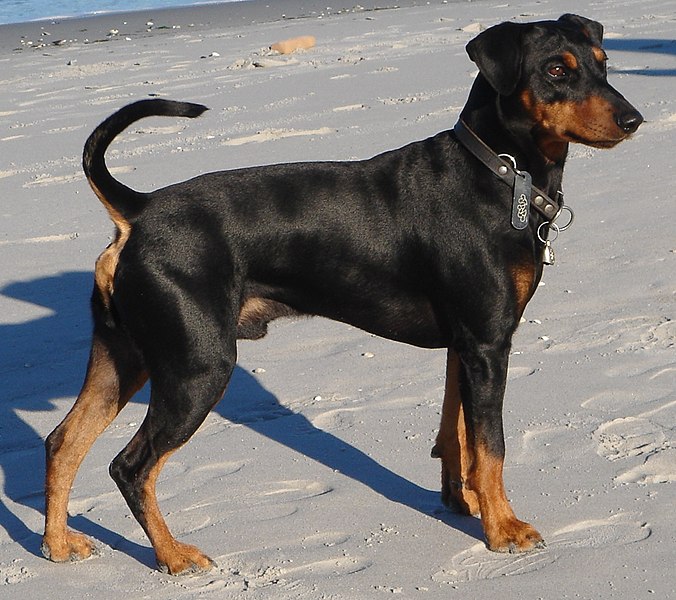
The German Pinscher is a medium-sized, smooth-coated working breed, sleek and muscular, and one of the older German pinscher and schnauzer types that sits behind the more familiar Dobermann and Miniature Pinscher. It is confident, lively and clever, deeply attached to its family and a natural watchdog, alert and protective without being a giant to manage. It has plenty of energy and an active mind, so it needs real daily exercise plus training and mental work to stay balanced. This is not a dog for a quiet, hands-off household or someone out all day; it suits committed owners who will train and engage it. The short coat is very low maintenance, needing little more than a quick brush and a wipe over. A standout trait is its spirited, all-action temperament packed into a practical, easy-care size, though that drive and independence demand an owner who enjoys working with a smart dog.
Size
Small to Medium
Lifespan
12-15 years
Group
Group 6 - Utility
Height
Male: 41-48 cm (16-19 inches), Female: 41-48 cm (16-19 inches)
Weight
Male: 11-16 kg (25-35 lbs), Female: 11-16 kg (25-35 lbs)
Origin
Germany
Compatibility & care
How this breed fits into life with you
Scores are out of 5. Tap the help icon next to any trait to see what it really means.
Personality
How they think and behave
With family
Who they get along with
Care needs
What they ask of you
Origin & history
The German Pinscher comes from Germany, where pinscher-type dogs were long kept on farms and around stables as ratters and alert watchdogs. It is one of the foundation breeds of the group, predating and contributing to the Dobermann, and closely tied to the development of the Schnauzer, which was once bred from the same stock as a wire-coated variety. Standardised in the late 1800s, the breed was valued for its sharp working ability rather than its looks. It came close to extinction around the middle of the 20th century, particularly after the World Wars, and was revived in West Germany from a small number of dogs through careful breeding. It is recognised by the ANKC but remains uncommon in Australia, kept by enthusiasts who value its versatility, guarding instinct and manageable size.
Temperament
German Pinschers are confident, spirited and strongly bonded to their families, affectionate and playful at home while being naturally watchful and protective. They are typically reserved or aloof with strangers and make genuine watchdogs, quick to notice and announce anything out of place. With children in their own family they can be very good, though their energy and exuberance suit households with older, dog-savvy kids better than toddlers. They have a strong prey drive, so small pets such as rodents and sometimes cats can be a problem, and care is needed around other dogs, particularly with same-sex pairings. They are highly intelligent and trainable but also independent and strong-willed, so they need early socialisation and firm, fair, consistent, reward-based training from the start. The key behavioural needs are daily physical exercise, real mental work, clear boundaries and a job to do; a bored or under-led Pinscher will find its own, usually unwelcome, occupation.
Appearance
The German Pinscher is a medium-sized, squarely built dog, elegant but muscular and powerful for its size. It stands around 43 to 51 cm at the shoulder and weighs roughly 14 to 20 kg, with a strong, clean outline and an athletic, high-on-leg look. The head is long and wedge-shaped with dark, oval eyes that give a keen, alert expression, and ears that are set high; traditionally cropped, they are left natural in Australia, carried as neat button or folded ears. The coat is short, dense, smooth and glossy. Colours are solid red in various shades, and black with sharply defined tan or red markings. The tail, once docked, is now usually left natural and carried up when the dog is alert.
Suitability
The German Pinscher is best suited to a house with a securely fenced yard, since it is athletic, energetic and an accomplished escaper if under-exercised or bored. It fits active, experienced owners who will commit to training, socialisation and daily exercise, and who appreciate a sharp, driven dog. It is generally not recommended for first-time owners or for homes with very young children or small prey-type pets, given its drive, independence and guarding nature. It bonds closely and can become destructive or noisy if left alone for long stretches, so it needs company and occupation through the day rather than long isolation. The short coat handles the Australian climate fairly well, but like any dog it needs shade, fresh water and exercise kept to the cooler parts of hot days, and it will feel the cold in winter due to its lack of undercoat.
Health
Typical lifespan is around 12 to 14 years, and the German Pinscher is generally a hardy breed. The better-documented inherited concerns are hereditary cataract and other eye conditions including progressive retinal atrophy, von Willebrand disease (an inherited bleeding disorder for which a DNA test is available in the breed), and hip dysplasia, with dilated cardiomyopathy and some endocrine issues reported in parts of the population. Buy from breeders who hip score under a recognised scheme, who have current eye testing done by a veterinary ophthalmologist, who DNA test for von Willebrand disease, and who are open about heart health in their lines. Because the breed came through a narrow genetic bottleneck, a careful breeder who tests and keeps an eye on diversity is especially important. A lean, fit dog with routine veterinary care usually stays sound and active well into older age.
Find your German Pinscher
Browse trusted German Pinscher breeders across Australia and read genuine reviews from real owners, or take the quiz to be sure of the fit.