
Grand Basset Griffon Vendeen
Basset Griffon Vendéen (Grand), GBGV
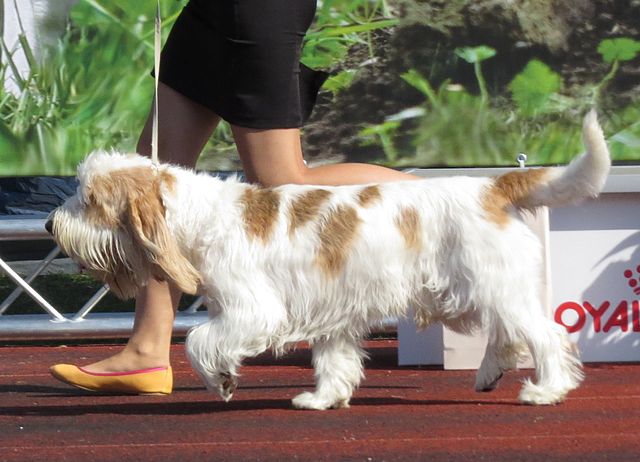
The Grand Basset Griffon Vendeen, usually shortened to GBGV, is a French scent hound built long and low with a rough, tousled coat. Bred to hunt hare and other game on foot, it is busy, vocal and led very much by its nose. Expect a happy, sociable dog that loves company and gets on well with children and other dogs, but one that will follow an interesting scent for as long as you let it. They are not a quiet apartment lapdog and they are not for owners who want instant obedience, since the independent hound streak runs deep. Daily off-lead running in a secure space, plenty of sniffing walks and some scent games keep them content. The harsh double coat needs a thorough brush once or twice a week and the occasional hand-strip or tidy. A standout trait is the cheerful, almost comic enthusiasm they bring to everything.
Size
Medium
Lifespan
12-15 years
Group
Group 4 - Hounds
Height
Male: 39–45 cm (15–18 inches), Female: 38–44 cm (15–17 inches)
Weight
Male: 18-20 kg (40-44 lbs), Female: 18-20 kg (40-44 lbs)
Origin
France
Compatibility & care
How this breed fits into life with you
Scores are out of 5. Tap the help icon next to any trait to see what it really means.
Personality
How they think and behave
With family
Who they get along with
Care needs
What they ask of you
Origin & history
The Grand Basset Griffon Vendeen comes from the Vendee region on the west coast of France, an area of rough, brambly country that shaped a whole family of griffon hounds. The breed descends from the larger Grand Griffon Vendeen, bred down over the 19th and early 20th centuries to work hare and other game closer to the ground while keeping the harsh, weatherproof coat that brush and thorn demanded. Hubert Dezamy did much to fix the modern type and separate the Grand from its shorter-legged cousin the Petit, with the two formally distinguished as separate breeds in the 1970s. It remains a working hunting hound in France, used singly or in packs. In Australia it is uncommon, kept mostly by enthusiasts and the occasional show home rather than as a mainstream family dog.
Temperament
GBGVs are friendly, outgoing pack hounds that genuinely enjoy being among people and other dogs. With family they are affectionate and playful, and they are usually very good with children, though their bouncy enthusiasm can bowl over a toddler. They tend to greet strangers as new friends rather than threats, so while they will bark and make a useful alarm, they are no guard dog. Raised with other dogs they are sociable, but the hunting instinct is strong and cats or small pets can trigger a chase unless the dog is reared with them. Trainability is the catch: they are bright but independent and easily distracted by scent, so training needs patience, food rewards and a sense of humour rather than force. They are also notably vocal, with a deep baying voice. Plenty of exercise, sniffing opportunities and company prevent boredom and the digging or noise that come with it.
Appearance
This is a medium-sized hound, longer than it is tall, typically standing around 40 to 44 cm at the shoulder and weighing roughly 18 to 20 kg. The build is sturdy and workmanlike rather than racy, with a deep chest, strong legs and a tail carried up like a sabre. The coat is the signature feature: a harsh, rough outer coat over a thick undercoat, with bushy eyebrows, a moustache and a beard giving the long head a characterful look. Ears are long, set low and covered in hair. Common colours include white with black, white with orange, and tricolour combinations of black, white and tan. The overall impression is rugged and slightly dishevelled.
Suitability
This is a hound for an active household with a decently sized, very secure yard, ideally someone who enjoys long walks and does not mind a dog with a mind of its own. They can manage in a smaller home only if their considerable exercise and company needs are met, but they are a poor match for a quiet, house-proud or first-time owner expecting easy obedience. They hate being left alone for long stretches and may bay or dig if bored and lonely. The rough double coat copes reasonably well with cool and wet weather. In hot Australian conditions they should be exercised in the cooler parts of the day with shade and water always on hand, as their working drive can override their own sense of when to stop.
Health
GBGVs are generally robust and often live around 12 to 14 years. The breed is still relatively small in numbers, so the gene pool is limited and buying from a careful breeder matters. The condition most associated with the breed is a form of inherited epilepsy seen in some lines, and there is also concern about a neurological eye-movement disorder, so ask breeders what they screen for. As a long-backed hound, intervertebral disc problems can occur, and like most medium hounds they can be affected by hip dysplasia and eye conditions. Look for a breeder who hip-scores their stock, has eyes examined, and is open about epilepsy in their lines. Watch the ears for infection given how heavily they hang, and keep the dog lean to protect the back and joints.
Find your Grand Basset Griffon Vendeen
Browse trusted Grand Basset Griffon Vendeen breeders across Australia and read genuine reviews from real owners, or take the quiz to be sure of the fit.