
Italian Greyhound
Petit Levrier Italiane, Italian: Piccolo Levriero Italiano
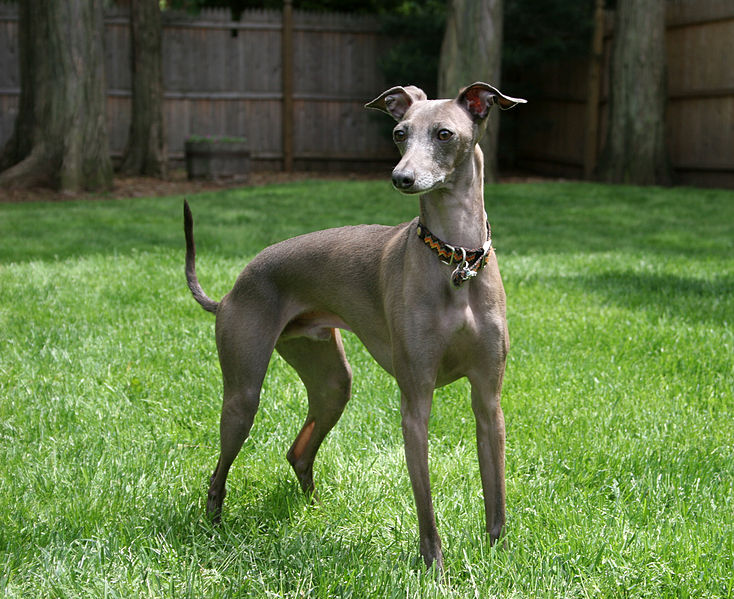
The Italian Greyhound is a true miniature sighthound, all fine bone and curves, and the smallest of the greyhound family. Despite the dainty looks these are playful, affectionate dogs that crave warmth and physical closeness and will burrow under blankets every chance they get. They bond intensely with their people and can be quite velcro, following you room to room. They enjoy a good sprint and short bursts of zoomies, then happily curl up for hours, which makes their exercise needs modest. The slim build comes with a real catch: their thin legs break easily, so they are not ideal for homes with rough toddlers or boisterous big dogs. The short coat needs almost no grooming, but the breed feels the cold badly and often needs a coat in winter.
Size
Small
Lifespan
12-15 years
Group
Group 1 - Toys
Height
Male: 33-38 cm (13-15 inches), Female: 33-38 cm (13-15 inches)
Weight
Male: 4-8 kg (8-18 lbs), Female: 4-8 kg (8-18 lbs)
Origin
Italy
Compatibility & care
How this breed fits into life with you
Scores are out of 5. Tap the help icon next to any trait to see what it really means.
Personality
How they think and behave
With family
Who they get along with
Care needs
What they ask of you
Origin & history
The little greyhound type is ancient, with small sighthounds appearing in Mediterranean art going back thousands of years, but the breed as a refined companion took shape in Italy during the Renaissance, when it became a favourite of the nobility. Miniaturised purely for companionship rather than work, it was carried in the courts of Europe and turns up in countless paintings of the period. The breed nearly lost its way in the 20th century when fashion pushed it to extremes of fragility, and careful breeding since has worked to restore a sounder, more functional dog. In Australia it is a established small breed kept almost entirely as a house companion, valued for being clean, quiet and devoted.
Temperament
This is a sensitive, affectionate companion that lives for human contact and is happiest pressed against its owner. With the family it is playful, gentle and endlessly devoted, but its delicacy means homes with very young children carry a genuine injury risk, both to the dog and from the dog being dropped or trodden on. With strangers it tends to be shy or aloof and may take time to warm up, and some are quite timid, so early, gentle socialisation pays off. It usually gets on with other dogs and with cats, though caution is wise around large rambunctious dogs that could hurt it in play. Sighthound independence shows in a soft stubbornness, particularly around toilet training, which can be slow and demands patience. They are quietly alert and will sound off at the door but make poor guard dogs.
Appearance
This is a small, slender sighthound standing roughly 32 to 38 cm at the shoulder and usually weighing about 3.5 to 5 kg. Everything about it is fine: a long narrow head, a gracefully arched neck, a deep-chested body with a pronounced tuck-up, and long delicate legs that give a high-stepping, springy gait. The coat is short, fine and glossy, lying close to the skin, and appears in shades of grey, blue, fawn, cream, red, black and tan, sometimes with white markings. The ears are small and folded back along the head, lifting semi-erect when the dog is alert. The expression is soft and attentive.
Suitability
This breed is well suited to apartment living and to relaxed households, since its exercise needs are easily met and it is naturally quiet and clean. It does best with an owner who is around a fair amount and enjoys a dog that wants constant closeness; long days alone can bring on anxiety and accidents. Reasonably first-timer friendly for someone gentle and patient, though the fragile legs and slow house training catch some people out. The big practical point in Australia is the cold rather than the heat: with almost no body fat or coat, Italian Greyhounds shiver easily and genuinely benefit from a jumper on chilly mornings and a warm bed indoors, while in summer they simply need shade and water like any dog.
Health
Italian Greyhounds typically live a long time, often around 13 to 15 years. The standout concern is fractures: the slender leg bones break easily, especially in young dogs leaping from furniture, so a safe home setup matters as much as anything a breeder can test for. Dental disease is very common in the breed and needs lifelong attention. Look for breeders who screen for hereditary eye conditions, particularly progressive retinal atrophy (a DNA test exists), and who consider patellar luxation, autoimmune conditions and a hip condition called Legg-Calve-Perthes. Some lines also need care over anaesthesia, as with most sighthounds. A good breeder will eye test, talk about leg fractures honestly and keep up with the dental and patella health of their dogs.
Find your Italian Greyhound
Browse trusted Italian Greyhound breeders across Australia and read genuine reviews from real owners, or take the quiz to be sure of the fit.