
Leonberger
Leo, Gentle Lion, Gentle Giant
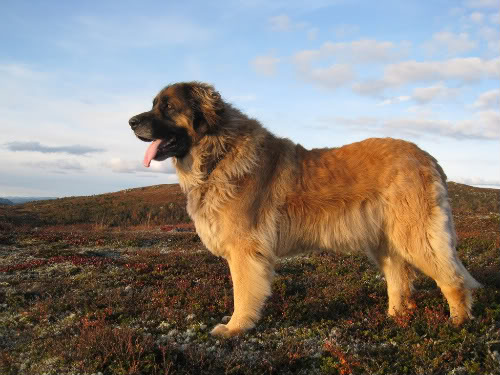
The Leonberger is a giant working breed from Germany, a big, calm, family-oriented dog with a lion-like mane. Despite the size, the temperament is the point: a good Leonberger is steady, gentle and patient, devoted to its people and tolerant of children, with the confidence to be a quiet presence rather than a noisy guard. It still needs proper daily exercise and enjoys swimming and pulling work, but it is not a high-octane dog and settles well indoors once grown. It suits households with the space, time and budget for a giant breed, and it does not suit small homes, house-proud owners (there is drool and shedding) or anyone who cannot afford giant-breed food and vet care. The thick double coat needs regular thorough brushing, especially during the heavy seasonal moults. Sheer gentle bulk paired with a soft nature is the standout.
Size
Giant
Lifespan
8-10 years
Group
Group 6 - Utility
Height
Male: 74-80 cm (29-31 inches), Female: 61-74 cm (24-29 inches)
Weight
Male: 54-77 kg (120-170 lbs), Female: 45-64 kg (100-140 lbs)
Origin
Germany
Compatibility & care
How this breed fits into life with you
Scores are out of 5. Tap the help icon next to any trait to see what it really means.
Personality
How they think and behave
With family
Who they get along with
Care needs
What they ask of you
Origin & history
The Leonberger was created in the town of Leonberg in south-western Germany in the 1840s, attributed to a local dog dealer and councillor, Heinrich Essig, who is said to have crossed Newfoundlands, Saint Bernards and Pyrenean Mountain Dogs. The story that the dogs were bred to resemble the lion on the town crest is part of the breed's folklore. Whatever the exact recipe, the result was a large, weather-hardy farm dog used for draught work and as a watchful all-rounder, and the breed became fashionable across Europe, kept by a number of royal and notable households. Both World Wars devastated numbers, and the modern Leonberger descends from a small group of dogs gathered together by dedicated breeders afterwards. Today it works in water rescue, therapy and draught sports, and is kept mainly as a family companion.
Temperament
Leonbergers are gentle, calm and people-focused, the kind of giant that wants to lean on you and lie at your feet. With children they are usually patient and tolerant, though their size means small kids should be supervised simply to avoid accidental knocks. Most are friendly or politely reserved with strangers and naturally watchful without being aggressive, so they make an imposing but soft-natured deterrent. They generally live well with other dogs and pets when raised with them. Trainability is good; they are intelligent and willing but sensitive, so firm, kind, consistent handling works far better than harshness, and early training matters while a puppy is still liftable. They are moderately independent but strongly bonded and dislike being shut away from the family. The main needs are daily exercise, mental engagement, early socialisation and being treated as part of the household.
Appearance
A giant, powerfully built dog, the Leonberger stands roughly 65 to 80 cm at the shoulder, with males commonly weighing around 48 to 75 kg and females somewhat less. The frame is large and well balanced rather than heavy and clumsy, with a deep chest and strong bone. The medium-to-long double coat is water-resistant, with a pronounced mane around the neck and chest, especially in males, and feathering on the legs and tail. Colours run through lion-yellow, golden, red and reddish-brown to sand, usually with a black mask on the face. A black mask, dark eyes and that flowing mane give the breed its distinctive look.
Suitability
This is a dog for a house with space and a yard, owned by people who understand and can afford the realities of a giant breed, from food and vet bills to the cost of replacing a chewed couch during adolescence. A calm, willing nature can suit a committed first-time owner, but the size and strength mean training and socialisation cannot be skipped while the dog is young. Leonbergers form close bonds and would rather be with their people than left alone for long days. The heavy double coat makes heat a real issue in the Australian climate, so exercise in the cool of the morning or evening, always provide shade and water, and never leave one in a hot car or yard. Expect regular brushing year round and a lot of coat to manage during seasonal moults.
Health
Like most giant breeds the Leonberger is relatively short-lived, typically around 8 to 10 years. It is predisposed to hip and elbow dysplasia and to gastric dilatation-volvulus (bloat), a sudden, life-threatening twisting of the stomach that needs emergency surgery. Heart disease, particularly forms of cardiomyopathy, is a concern, and the breed has well-documented inherited neurological conditions affecting the nerves and muscles (sometimes grouped as Leonberger polyneuropathy) for which DNA tests exist. Osteosarcoma, an aggressive bone cancer, is also seen, as in many large breeds. Buy from a breeder who hip and elbow scores their dogs, has hearts checked by a cardiologist, and DNA tests for the relevant polyneuropathy mutations. To reduce bloat risk, feed measured meals and avoid hard exercise straight after eating, and learn the warning signs so you can act fast.
Find your Leonberger
Browse trusted Leonberger breeders across Australia and read genuine reviews from real owners, or take the quiz to be sure of the fit.