
Lurcher
Lurchee
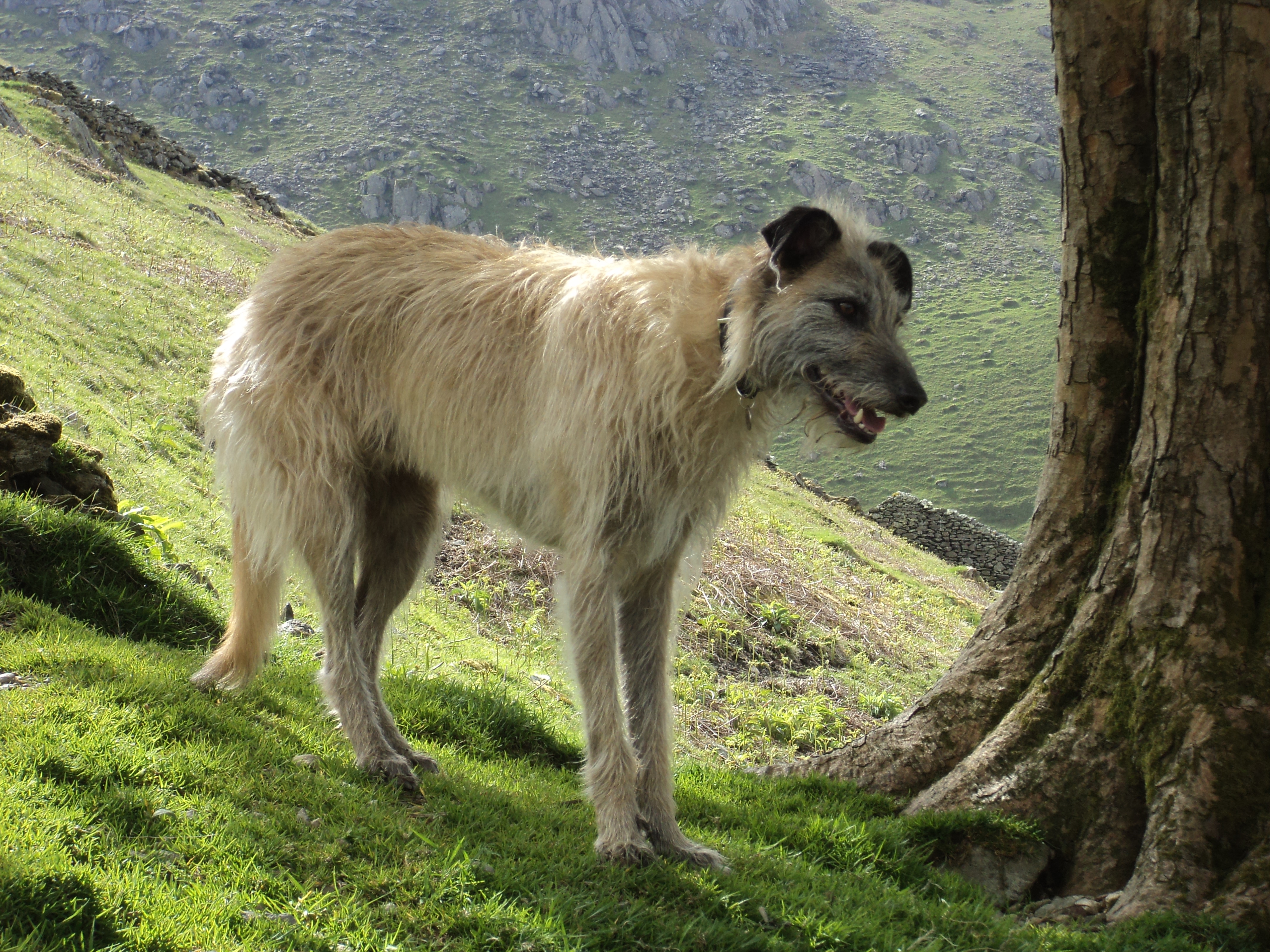
A Lurcher is not a breed but a type, a sighthound crossed with something else, classically a Greyhound or Whippet over a working breed such as a Collie or a terrier. The result is a fast, athletic dog with the gentle, easygoing nature sighthounds are known for. Around the house most Lurchers are quiet, affectionate couch potatoes who love a soft bed and a cuddle. Outdoors they want to run, and the prey drive can be strong, so a secure yard and careful management around small animals are essential. They need a good gallop in a safe space plus daily walks, but they are not restless and settle happily once exercised. They suit active owners who can offer off-lead running somewhere enclosed. Coats vary from smooth to rough depending on the cross, and grooming is generally easy. Being a cross, the Lurcher is not recognised by the ANKC as a pedigree breed.
Size
Large
Lifespan
12-14 years
Group
Not ANKC Recognised
Height
Male: 68-76 cm (27-30 inches), Female: 65-73 cm (25.5-29 inches)
Weight
Male: 18-32 kg (40-70 lbs), Female: 16-27 kg (35-60 lbs)
Origin
United Kingdom
Compatibility & care
How this breed fits into life with you
Scores are out of 5. Tap the help icon next to any trait to see what it really means.
Personality
How they think and behave
With family
Who they get along with
Care needs
What they ask of you
Origin & history
The Lurcher comes from Britain and Ireland and has a long history tied to rural and working-class life. For centuries it was the poacher's dog, bred quietly because in earlier times the law reserved pure sighthounds for the gentry, so country people crossed Greyhounds and other sighthounds with herding dogs and terriers to get an animal that could run down rabbits and hares and also think for itself. The Collie cross added biddability and the terrier cross added grit, while the sighthound supplied the speed. The name is thought to come from a Romani word meaning thief, a fair description of the job. Lurchers were and still are worked at lure coursing and rabbiting, and in recent decades many have become family pets, including a steady stream of retired or rehomed dogs through rescue here in Australia.
Temperament
Lurchers are gentle, affectionate and generally calm at home, often described by owners as quiet and undemanding once their exercise needs are met. They bond closely with their people and are usually fine with children, though their size means play with small kids should be supervised. With other dogs they are commonly sociable, particularly other sighthounds, but the strong prey drive means cats and small pets can be a real problem unless the dog has been raised with them and even then care is needed. They are intelligent and independent, a trait from both sides of the cross, so training works best with patience and rewards rather than repetition or harshness. They are not natural guard dogs, being far too friendly, though some will bark at strangers. The key behavioural need is plenty of free running in a safe, enclosed area.
Appearance
Because a Lurcher is a cross, size and look vary a lot with the parents, but most stand somewhere from 55 to 70 cm at the shoulder and weigh roughly 20 to 35 kg. The build is the giveaway, a deep chest, tucked-up waist and long legs inherited from the sighthound side, made for speed. The coat may be smooth like a Greyhound, broken or rough and wiry where there is Collie or terrier in the mix, or anything in between. Any colour or pattern turns up, including brindle, fawn, black, blue and white combinations. The head is usually long and narrow with dark eyes and a soft, watchful expression.
Suitability
A Lurcher does best in a house with a securely fenced yard, ideally with an active owner who can provide regular off-lead exercise somewhere enclosed. They are not ideal for homes with cats or small pets given the prey drive, and a first-time owner should be ready to manage recall and that hunting instinct carefully. Despite the need for exercise they are calm indoors and tolerate normal working hours reasonably well once properly exercised, though they would always rather have company. On climate, the thin-coated sighthound types feel the cold badly and appreciate a coat in winter, while in the Australian heat they need shade, water and walks timed for the cooler parts of the day.
Health
Lurchers are often long-lived and hardy, helped by their mixed parentage, with many reaching 12 to 15 years. Health depends heavily on what went into the cross, so look at both parents. Sighthounds are sensitive to some anaesthetics because they carry little body fat, which is worth telling your vet before any procedure. Deep-chested dogs of this shape carry a risk of bloat and gastric torsion, a sudden emergency where the stomach distends and twists, so learn the warning signs. Their fine skin and thin coat tear and bruise easily. Where there is Collie in the background, ask about the MDR1 drug-sensitivity gene, which has a DNA test. There is no formal health scheme for a crossbred type, so the best safeguard is honest, healthy working or pet parents you can meet and ask about.
Find your Lurcher
Browse trusted Lurcher breeders across Australia and read genuine reviews from real owners, or take the quiz to be sure of the fit.