
Maltese
Maltese Dog, Maltese lion dog
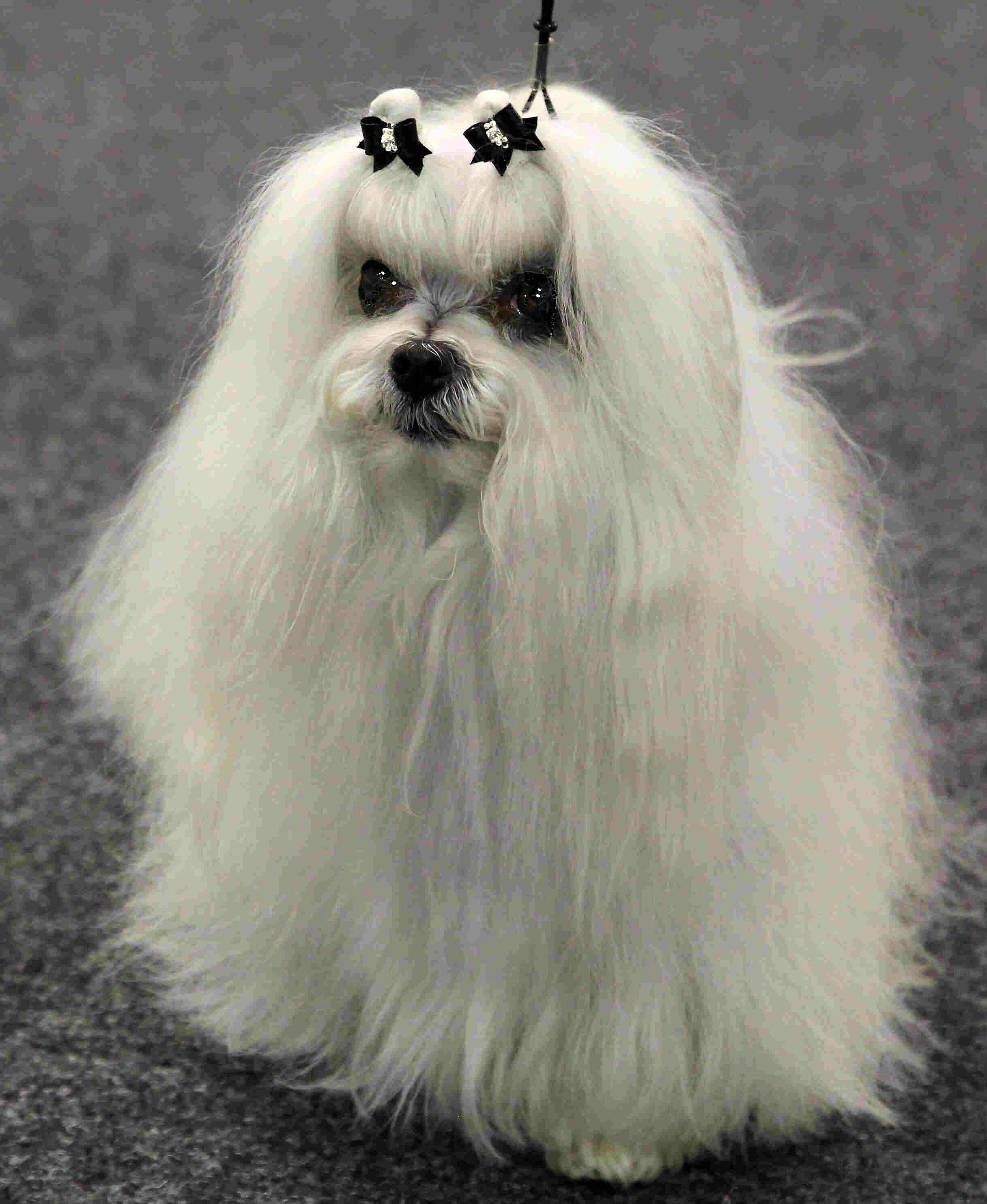
The Maltese is a small toy companion with a long, flowing white coat and a confident, affectionate personality that belies its size. These are people-oriented dogs, bred for company and at their happiest close to their owner. Despite the glamorous appearance they are playful and surprisingly bold, enjoying games and quick to learn tricks. Exercise needs are modest, a short walk and some indoor play suit them well, which makes them manageable for older owners and apartment dwellers. They do not suit anyone out of the house all day, as a Maltese left alone too much can become anxious and noisy. The coat is the main commitment, single and silky with little shedding but quick to mat, so daily brushing or a shorter pet clip is part of the deal. Tear staining around the eyes is common and needs gentle regular cleaning.
Size
Smallest
Lifespan
15-18 years
Group
Group 1 - Toys
Height
Male: 21-25 cm (8-10 inches), Female: 20-23 cm (8-9 inches)
Weight
Male: 2-3 kg (4-7 lbs), Female: 2-3 kg (4-7 lbs)
Origin
Italy Malta
Compatibility & care
How this breed fits into life with you
Scores are out of 5. Tap the help icon next to any trait to see what it really means.
Personality
How they think and behave
With family
Who they get along with
Care needs
What they ask of you
Origin & history
The Maltese is one of the oldest of the toy breeds, a small white companion dog of the Mediterranean associated with the island of Malta and known in the ancient world. Greeks and Romans valued these little dogs, who appear on old pottery and in early writings, kept purely as lapdogs and companions to the wealthy rather than as workers. They survived through the centuries as fashionable pets among nobility across Europe and were a fixture in portraiture, prized for their beauty and devotion. The breed reached the show ring in the 1800s and spread worldwide from there. In Australia the Maltese has long been one of the most popular small companion dogs, and Maltese crosses are extremely common, the Maltese Shih Tzu being a familiar sight.
Temperament
The Maltese is gentle, lively and deeply attached to its family, thriving on being included in everything. They are typically friendly and outgoing, and while affectionate with children they are delicate, so they suit homes with older, considerate kids rather than boisterous toddlers who might injure such a small dog. Most are sociable with other dogs and with cats, especially when introduced young. They can be alert little watchdogs and will bark to announce a visitor, though they warm to people quickly. They are intelligent and trainable but can carry a stubborn streak, and house-training in particular needs patience and consistency. Being so companion-focused, they do not like solitude and can develop separation anxiety and nuisance barking if left alone too often. Early socialisation and calm, reward-based handling produce a well-rounded dog.
Appearance
A true toy, the Maltese usually stands about 20 to 25 cm at the shoulder and weighs around 3 to 4 kg. It is compact and finely built but should not look frail. The defining feature is the coat, a single layer of long, straight, silky hair that hangs to the ground in a show dog and is pure white, sometimes with light lemon or tan permitted on the ears. There is no undercoat, so shedding is minimal. The head is round with a black nose and large, dark, expressive eyes, the ears hang close and well feathered, and the plumed tail curves over the back. Many pet owners keep the coat in a short, practical puppy clip.
Suitability
The Maltese is an excellent apartment dog and equally at home in a house, well suited to gentle and older owners as well as families with sensible children. Their small exercise needs and eager-to-please nature make them reasonable for a first-time owner, provided the grooming and dental care are kept up. They are not a breed to leave alone for long days and do best where someone is around for much of the time. On climate, that single white coat offers little protection, so they feel the cold and benefit from a jumper in winter, while in the Australian heat they need shade and water and should be walked in the cooler parts of the day. A shorter summer clip helps keep them comfortable.
Health
Maltese often live a good while, commonly 12 to 15 years and sometimes longer. A few conditions are well documented. Portosystemic liver shunt, an abnormal blood vessel that bypasses the liver, occurs more often in this breed than most and can be present from puppyhood. Patellar luxation and a tendency to a collapsing trachea, which causes a honking cough, are both seen in small dogs like this. Dental disease is very common because of crowded teeth in a small mouth, so tooth care is a lifelong job. Puppies can be prone to low blood sugar, so small frequent meals help early on. Eye conditions including progressive retinal atrophy occur too. Choose a breeder who screens, with eye testing on the parents, patellar checks, and awareness of liver shunt in their lines.
Find your Maltese
Browse trusted Maltese breeders across Australia and read genuine reviews from real owners, or take the quiz to be sure of the fit.