
Newfoundland
Newf, Newfie, The Gentle Giant, Blackbear
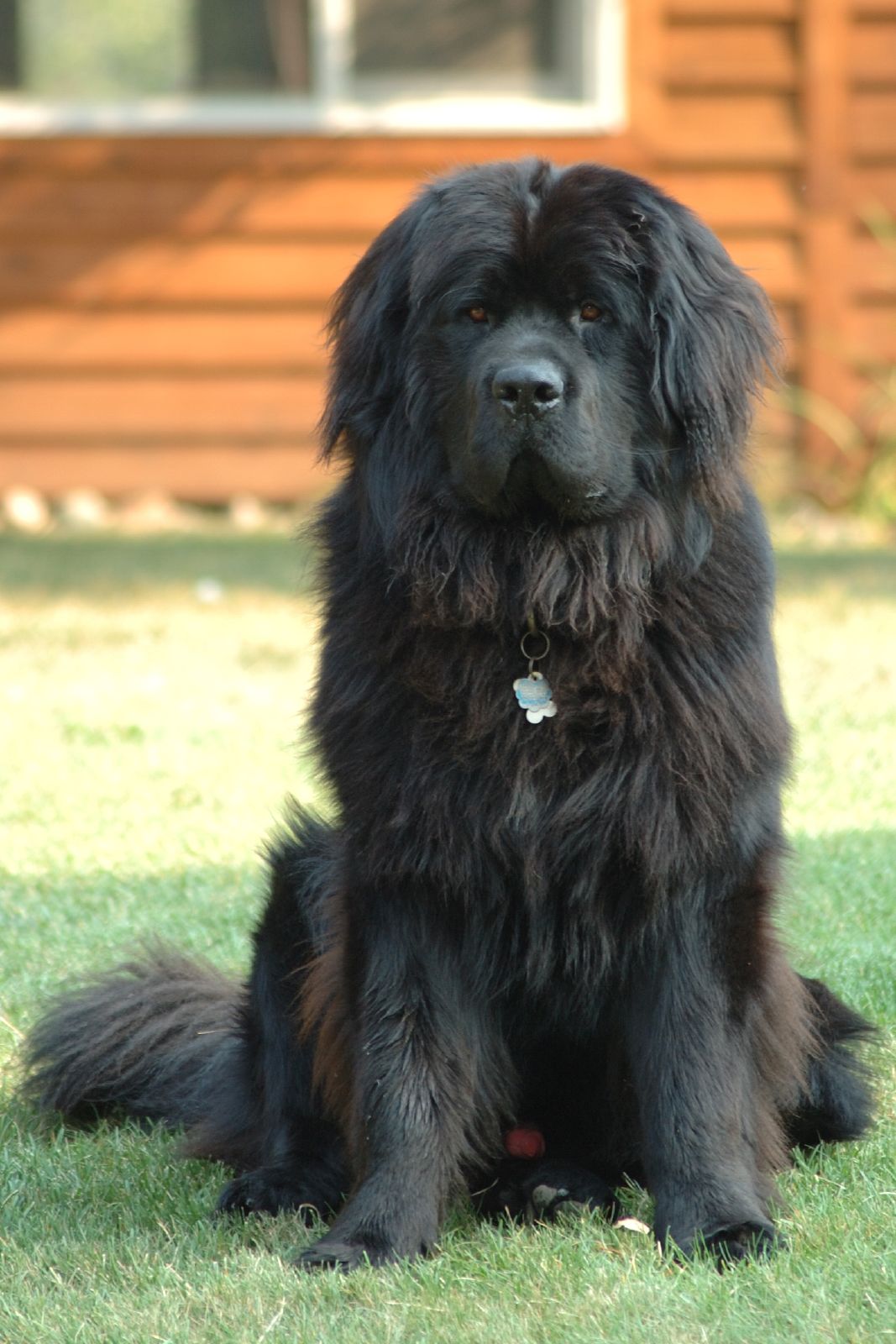
The Newfoundland is a giant working dog from Canada, famous for its size, its thick water-resistant coat and an exceptionally sweet, gentle temperament. Bred to work in cold water, it is a powerful swimmer with webbed feet and a strong instinct to rescue. With its family it is calm, patient and devoted, and it is renowned for being wonderful with children, which earned it the old nickname of nanny dog. It is a poor match for anyone short on space or unwilling to deal with serious shedding, drool and the costs of a giant breed. Exercise needs are moderate rather than extreme, but daily walks and, ideally, swimming keep it happy and fit. They are sociable and dislike being left alone. The heavy double coat needs brushing several times a week to prevent matting, and far more when it sheds.
Size
Giant
Lifespan
9-12 years
Group
Group 6 - Utility
Height
Male: 69-74 cm (27-29 inches), Female: 63-69 cm (25-27 inches)
Weight
Male: 59-68 kg (130-150 lbs), Female: 45-54 kg (100-120 lbs)
Origin
United Kingdom Canada
Compatibility & care
How this breed fits into life with you
Scores are out of 5. Tap the help icon next to any trait to see what it really means.
Personality
How they think and behave
With family
Who they get along with
Care needs
What they ask of you
Origin & history
The Newfoundland takes its name from the Canadian island where it developed, working alongside fishermen from at least the 1700s. Its exact origins are debated, but it likely arose from a mix of indigenous dogs and European dogs brought over by fishing crews. On the water it hauled nets, carried lines between boats and shore, towed gear and pulled drowning people to safety, helped by its size, strength, dense coat and webbed feet. On land it served as a draught dog, carting loads for its owners. The breed became famous in the nineteenth century for dramatic water rescues, and it caught the eye of artists and writers, including a celebrated portrayal by Sir Edwin Landseer that gave its name to the black-and-white colour variety. Recognised worldwide and by the ANKC within the working or utility group, the Newfoundland today is mainly a devoted family dog, though many still take to water work readily.
Temperament
The Newfoundland's hallmark is its temperament: gentle, calm, patient and famously good-natured. With its family it is affectionate and devoted, and it is well known for being trustworthy and tolerant with children, although its sheer size means it can knock over a toddler by accident, so supervision is still wise. It is typically friendly or politely calm with strangers rather than sharp, and most are sociable with other dogs and household pets, especially when raised together. This is not a guard dog by nature, though its presence alone is a deterrent. It is intelligent and genuinely eager to please, which makes it one of the more trainable giant breeds, responding well to gentle, reward-based methods and disliking harsh handling. Many have a deep love of water and a natural urge to retrieve and rescue. It is a soft, sensitive dog that thrives on being part of the family and does not cope well with isolation, so it needs companionship, moderate daily exercise, early socialisation and patient, kind guidance.
Appearance
A massive, heavily built dog with obvious strength and a kind expression. Males commonly stand around 69 to 74 cm at the shoulder and weigh roughly 60 to 70 kg, with females a little smaller at about 50 to 55 kg, and large males can be heavier still. The head is broad, the eyes dark and soft, and the lips fairly loose, so some drool is normal. The standout feature is the coat: a thick, water-resistant double coat with a coarse, slightly oily outer layer and a dense undercoat, often a touch wavy. Colours are black, brown, grey, and the Landseer pattern of white with black markings. The webbed feet and powerful, slightly rolling gait reflect a dog built for swimming and hauling.
Suitability
The Newfoundland suits a family or individual with plenty of space, ideally a house with a yard and, if possible, access to water for swimming. It is not an apartment dog, and the shedding, drool and giant-breed costs mean it needs an owner who has thought it through. Its gentle, biddable nature makes it a reasonable choice for a committed first-time owner, as long as they can handle the size and grooming. It is a sociable dog that hates being left alone for long stretches and is happiest in the thick of family life. The most important Australian consideration is heat: that heavy double coat is built for cold Canadian waters, so these dogs overheat easily and are at real risk in hot weather. Keep them cool, provide shade and water, exercise only in the cool of the day, give them access to swimming or paddling where you can, and never leave one in a hot car or unshaded yard. Do not shave the coat, as it helps regulate temperature; manage heat through environment and timing instead.
Health
Newfoundlands are a giant breed and not long-lived, usually reaching around 8 to 10 years. Hip and elbow dysplasia are common, so parents must have formal hip and elbow scores. Heart disease is a particular concern, especially subvalvular aortic stenosis (SAS) and dilated cardiomyopathy, so breeding dogs should be cardiac-screened by a specialist, ideally with echocardiography. The deep chest brings a risk of bloat and gastric torsion, a sudden emergency, so owners should know the signs and discuss prevention. The breed also carries an inherited cystinuria (a urinary stone disorder) for which a DNA test exists, so ask whether the parents are tested or clear. Joint problems and a tendency to heat stress round out the picture. Buy from a breeder who scores hips and elbows, does cardiac testing, DNA-tests for cystinuria, and is upfront about longevity and the conditions in their lines. As with all giants, careful diet and steady growth in puppyhood matter.
Find your Newfoundland
Browse trusted Newfoundland breeders across Australia and read genuine reviews from real owners, or take the quiz to be sure of the fit.