
Neapolitan Mastiff
Neo, Italian Bulldog, Italian Mastiff, Mastino Napoletano, Italian Molosso
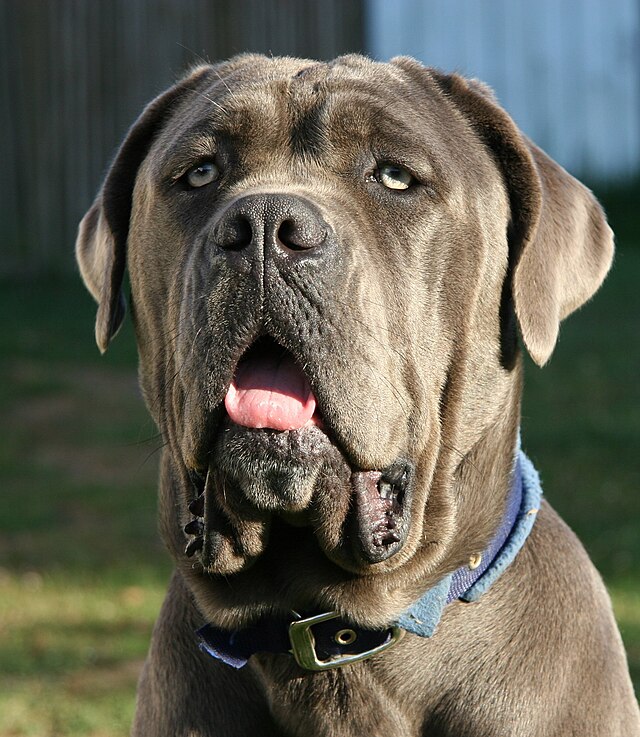
The Neapolitan Mastiff is a giant Italian guarding breed, instantly known for its huge head, abundant loose skin and heavy folds and wrinkles. It is a serious dog: massive, powerful and naturally protective of its home and people, yet with its family it is typically calm, affectionate and steady. This is not a breed for everyone. It needs an experienced, confident owner, early and thorough socialisation, plenty of space and a realistic understanding of the costs and management a giant guardian involves. Despite the imposing look it is fairly low-energy and prefers moderate exercise to long runs. It can be aloof and wary with strangers and other dogs, so good handling is essential. The short coat is easy to brush, but the wrinkles and skin folds need regular cleaning, and owners must be ready for drool. It does not suit first-time owners or small homes.
Size
Giant
Lifespan
8-10 years
Group
Group 6 - Utility
Height
Male: 65-75 cm (26-30 inches), Female: 60-70 cm (24-28 inches)
Weight
Male: 68-91 kg (150-200 lbs), Female: 50-68 kg (110-150 lbs)
Origin
Italy
Compatibility & care
How this breed fits into life with you
Scores are out of 5. Tap the help icon next to any trait to see what it really means.
Personality
How they think and behave
With family
Who they get along with
Care needs
What they ask of you
Origin & history
The Neapolitan Mastiff descends from the ancient mastiff-type dogs of the Mediterranean, with roots reaching back to the war and guard dogs of the Roman world. For centuries it survived in southern Italy, particularly around Naples, as a farm and estate guardian valued for sheer size and a deterring presence. The breed as we know it was rescued from obscurity after the Second World War, largely through the efforts of Italian enthusiasts, and the writer and dog man Piero Scanziani is usually credited with helping to define and promote it in the mid-twentieth century. Selection emphasised mass, the loose wrinkled skin and a heavy, rolling movement. The breed is recognised internationally and by the ANKC within the working or utility grouping. It remains relatively uncommon in Australia and is best regarded as a specialist guardian breed rather than a casual pet.
Temperament
Beneath the formidable exterior the Neapolitan Mastiff is usually calm, steady and deeply devoted to its family, often quietly affectionate and content to be near its people. The defining trait is protectiveness: this is a natural guardian, typically reserved, suspicious or aloof with strangers and slow to accept newcomers, which is exactly why early, ongoing socialisation is non-negotiable. With its own children it is generally gentle and tolerant, but its size alone means small children must always be supervised. It can be intolerant of unfamiliar dogs, and same-sex aggression is possible, so introductions and management need care. It is intelligent but independent and can be stubborn, so training should start in puppyhood and rely on calm, consistent, reward-based methods from an owner the dog respects. It is not a high-energy breed and is happy with moderate daily exercise. Its core needs are firm but fair leadership, thorough socialisation, secure containment and an owner who genuinely understands guarding breeds.
Appearance
A very large, heavy-boned dog built to impress. Males typically stand about 65 to 75 cm at the shoulder and females a little less, with weight commonly in the 50 to 70 kg range and sometimes more. The most striking features are the enormous head, the abundant loose skin, the pendulous lips and the deep wrinkles and dewlap. The body is broad and powerful with a deep chest and a rolling, bear-like gait. The coat is short, dense and fine. Recognised colours are usually grey (blue), black, mahogany and tawny, sometimes with brindling and small white patches. The overall impression is of mass, loose skin and a watchful, somewhat ponderous presence.
Suitability
This is a breed for experienced owners only, with the space, budget and commitment a giant guardian demands. It needs a house with a secure, well-fenced yard, not an apartment, and a setting where its size and protective nature can be managed safely around visitors. It is firmly not suited to first-time dog owners, busy households with no time for training, or anyone unprepared for drool, mess and significant vet bills. It tolerates being left alone better than many breeds but still needs company and clear routine. The Australian climate is a genuine concern: the bulk, dense build and heavy skin make these dogs prone to overheating, so keep them cool, provide shade and water, exercise only in the cooler parts of the day, and never leave one in a hot car or yard. Be realistic about the shorter lifespan that comes with the breed.
Health
Like most giant breeds the Neapolitan Mastiff is not long-lived, often reaching only around 7 to 9 years, and prospective owners should be prepared for the health burden that comes with the type. Hip and elbow dysplasia are common, so parents should have formal hip and elbow scores. The deep chest brings a real risk of bloat and gastric torsion, a sudden life-threatening emergency, so owners should learn the signs and discuss preventive options with their vet. Heart disease, including dilated cardiomyopathy, occurs and warrants cardiac screening of breeding dogs. The heavy facial skin causes frequent eye problems such as entropion, ectropion and cherry eye, and the skin folds are prone to dermatitis if not kept clean. Joint and growth problems can affect such a large, fast-growing dog. Buy only from a breeder who screens hips, elbows and hearts, selects for healthier eyes and less extreme skin, and is candid about the breed's limited lifespan and the conditions in their lines.
Find your Neapolitan Mastiff
Browse trusted Neapolitan Mastiff breeders across Australia and read genuine reviews from real owners, or take the quiz to be sure of the fit.