
Portuguese Water Dog
Portie, PWD, Water Dog, Cao De Agua
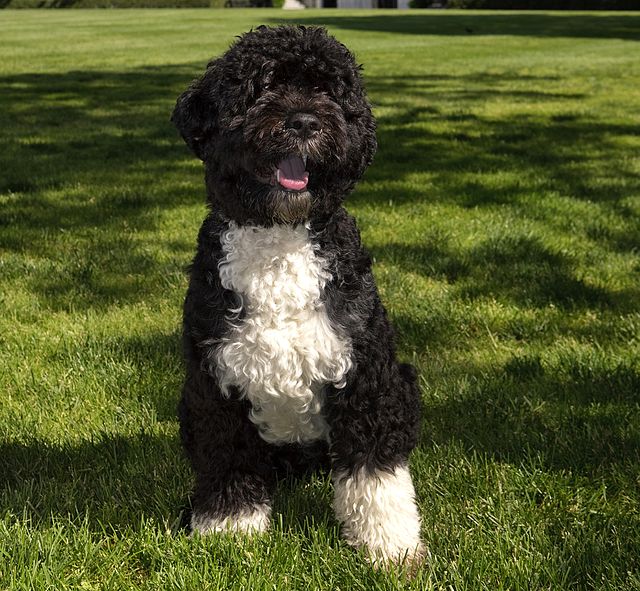
The Portuguese Water Dog is a medium-sized, athletic working breed bred to help fishermen off the Portuguese coast. It is bright, busy and biddable, with a strong urge to be doing something alongside its people, and it forms a close attachment to the family. This is a genuinely active dog that needs real daily exercise plus jobs for its brain, whether that is swimming, retrieving, obedience or scent games. Bored or under-exercised Porties get into mischief, chew and bark. The single coat sheds very little but it never stops growing, so it needs brushing several times a week and a clip every six to eight weeks, either in the traditional lion trim or an easier-care retriever clip. A Portie suits an active owner or family who want a dog to train and take places. It does not suit anyone after a calm, low-input pet or a dog left home alone all day.
Size
Medium
Lifespan
10-14 years
Group
Group 6 - Utility
Height
Male: 50-57 cm (20-22 inches), Female: 43-52 cm (17-20 inches)
Weight
Male: 19-27 kg (42-60 lbs), Female: 16-23 kg (35-50 lbs)
Origin
Portugal
Compatibility & care
How this breed fits into life with you
Scores are out of 5. Tap the help icon next to any trait to see what it really means.
Personality
How they think and behave
With family
Who they get along with
Care needs
What they ask of you
Origin & history
The breed comes from the Portuguese coast, where it worked alongside fishermen for centuries as the Cao de Agua, meaning water dog. Its jobs included driving fish into nets, retrieving lost gear and broken nets from the water, and carrying messages between boats and from boat to shore. The dense, water-resistant coat and webbed feet suited the work, and dogs travelled the length of the coast and out to the fishing grounds with the fleets. As motorised boats and modern fishing methods spread through the twentieth century the working dogs all but disappeared, and the breed was rebuilt from a very small number of survivors, largely through the efforts of the Portuguese businessman Vasco Bensaude from the 1930s onward. It later became well known internationally, helped by the United States presidential family choosing two of the breed. In Australia it remains uncommon and is registered with the ANKC in the Utility (Working) Group.
Temperament
This is a sociable, enthusiastic dog that wants to be part of everything. With its own family it is affectionate, often a bit clownish, and very attentive. Raised with children it is usually excellent and playful, though its bounce and size mean toddlers can get knocked about. Most are friendly or politely reserved with strangers rather than guardy, and they get on well with other dogs and, with early socialisation, with cats and small pets, although the retrieving instinct is strong. They are quick, willing learners who shine in obedience and dog sports and respond best to reward-based methods. There is an independent, problem-solving streak from the working background, so training needs to stay interesting. The core behavioural need is a real outlet for body and mind every day, plus company, because this breed dislikes being shut away from its people.
Appearance
A robust, well-balanced dog standing roughly 43 to 57 cm at the shoulder, with males around 19 to 27 kg and females a little lighter. The build is muscular and slightly off-square, made for swimming and endurance. The single coat comes in two textures, either tight curls or a looser wave, with no undercoat. Colours are black, brown, white, or black or brown combined with white. A distinctive feature is the way the coat is traditionally clipped, leaving the hindquarters and part of the tail shaved in the lion trim, a working hangover that kept the back legs free in the water. The feet are webbed and the tail is thick at the base and carried with a curl.
Suitability
This breed is happiest in an active household with a securely fenced yard, ideally one that swims, hikes, runs or trains regularly and wants a dog along for it. It can manage in a smaller home if the exercise and mental work are genuinely provided, but it is a poor match for a sedentary owner. The intelligence and energy make it doable for a committed first-time owner, though one prepared to put in training time. It bonds hard and does not cope well with being left alone for long days, so it suits a home where someone is around or the dog can come too. In the Australian climate the dense coat means heat must be watched: exercise in the cooler parts of the day, provide shade and water, and use its love of swimming to keep it cool.
Health
Most Portuguese Water Dogs live around 11 to 14 years. The breed has several well-documented inherited conditions, and the good news is that DNA tests exist for the most serious ones. GM1 gangliosidosis is a fatal storage disease seen in young puppies, and juvenile dilated cardiomyopathy (JDCM) causes sudden heart failure in pups, both avoidable through carrier testing. Progressive retinal atrophy (the prcd form) also has a DNA test. Beyond those, the breed is prone to hip dysplasia and to Addison's disease (hypoadrenocorticism), which can be hard to spot early. Buy only from breeders who hip-score their stock, have current eye certificates, and can show DNA clear or clear-by-parentage results for GM1, JDCM and prcd-PRA. Ask whether Addison's has appeared in their lines and how they manage it.
Find your Portuguese Water Dog
Browse trusted Portuguese Water Dog breeders across Australia and read genuine reviews from real owners, or take the quiz to be sure of the fit.