
Shetland Sheepdog
Miniature Collie, Sheltie
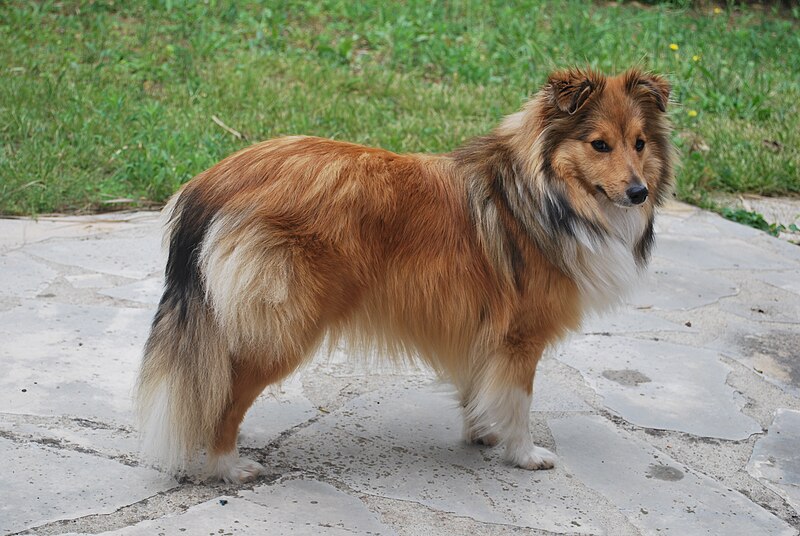
The Shetland Sheepdog, or Sheltie, is a small herding breed from Scotland that looks like a scaled-down Rough Collie and has the brains to match. These are sensitive, devoted, intensely trainable dogs that live to work with their person, which is why they shine in obedience and agility. They are affectionate and gentle at home but typically wary of strangers and quick to bark, a herding dog watching its patch. Energy needs are real for the size: they want daily exercise and, just as importantly, mental work, or that clever mind turns to noise and fuss. They suit active, engaged owners and families who enjoy training, and they are less suited to people who want a quiet, hands-off pet or who cannot handle a vocal dog. The long double coat needs regular brushing to stay out of trouble.
Size
Small to Medium
Lifespan
12-14 years
Group
Group 5 - Working Dogs
Height
Male: 33-41 cm (13-16 inches), Female: 33-41 cm (13-16 inches)
Weight
Male: 6-7 kg (13-16 lbs), Female: 5-7 kg (11-15 lbs)
Origin
United Kingdom
Compatibility & care
How this breed fits into life with you
Scores are out of 5. Tap the help icon next to any trait to see what it really means.
Personality
How they think and behave
With family
Who they get along with
Care needs
What they ask of you
Origin & history
The Shetland Sheepdog comes from the Shetland Islands off the north of Scotland, where small, hardy herding dogs worked the crofts, keeping sheep and ponies off the gardens and helping move stock in a harsh, sparse landscape. The island dogs were crossed over time with working collies from the Scottish mainland and other small breeds, and in the early twentieth century breeders refined the type toward the Rough Collie look while keeping the smaller size. The breed was recognised under the name Shetland Sheepdog in the 1900s, the name chosen partly to distinguish it from the Collie. It moved quickly from working dog to companion and show dog and is now far better known as a pet and a star of dog sports than as a herder. In Australia the Sheltie is a popular and well-established companion and competition breed.
Temperament
Shelties are gentle, loyal and remarkably attuned to their people, often described as soft dogs that take correction to heart, so they need kind, encouraging handling. They are usually excellent with children in their own family and get on well with other dogs and pets when socialised, though herding instinct can show up as chasing or trying to round up running kids, bikes or other animals. With strangers they are typically reserved and may hang back until they are sure, and shyness can develop without early, positive exposure to the wider world. They are among the most trainable of all breeds, eager to please and quick to learn, which is why they dominate obedience and agility rings. The flip side is a strong tendency to bark, at visitors, at movement, at noise, which needs managing from puppyhood. Plenty of exercise plus a real mental outlet keeps them happy and quiet.
Appearance
A small, well-proportioned dog standing about 35 to 39 cm at the shoulder and weighing roughly 6 to 12 kg, clearly resembling a miniature Rough Collie. The head is a long, refined wedge with a gentle expression, almond eyes and small ears that tip forward at the top. The crowning feature is the coat: a long, harsh outer coat over a dense, soft undercoat, with a heavy mane and frill around the neck and feathering on the legs and tail. Colours include sable in various shades, tricolour (black, white and tan), blue merle, and black and white, generally with white collar and markings. The overall picture is elegant, alert and built to move.
Suitability
Shelties adapt to flats or houses provided they get daily exercise and, crucially, daily mental stimulation, since a bored Sheltie barks. They are a good fit for active owners and families who enjoy training and dog sports, and a committed first-time owner can do very well with one. They are sensitive and people-focused and do not love being left alone for long days, tending to become anxious and noisy. The barking is the single biggest thing to train early and is worth weighing up if you have close neighbours. The dense double coat means they feel the heat, so in the Australian climate exercise belongs in the cooler parts of summer days, with shade, water and regular grooming to keep the coat working as it should.
Health
Shetland Sheepdogs commonly live around 12 to 14 years. The breed has several well-known predispositions. Inherited eye disease is the standout, including Collie eye anomaly and progressive retinal atrophy, so eye testing is essential. They are also one of the breeds that can carry the MDR1 gene mutation, which causes dangerous sensitivity to certain common medications including some worming and anaesthetic drugs, and this can be DNA tested. Hip dysplasia, patellar luxation, hypothyroidism, von Willebrand disease and an immune skin condition called dermatomyositis are all recognised in the breed. Choose a breeder who has eyes examined by a veterinary ophthalmologist, hip scores their stock, and DNA tests for MDR1 and other relevant conditions. Knowing a dog's MDR1 status before any surgery or worming treatment is genuinely important and worth telling your vet.
Find your Shetland Sheepdog
Browse trusted Shetland Sheepdog breeders across Australia and read genuine reviews from real owners, or take the quiz to be sure of the fit.