
Shiba Inu
Brushwood Dog, Japanese Shiba Inu, Shiba Ken, Shiba
The Shiba Inu is a small to medium Japanese breed with a fox-like face, a tightly curled tail and a famously independent, cat-like character. These are alert, confident, clean and rather dignified dogs that bond to their family but keep their own counsel and are often aloof with strangers. They are not the cuddly, eager pleaser some people expect from the looks. Shibas have a strong prey drive, a stubborn streak and a real tendency to bolt, so secure fencing and lead work are non-negotiable. Exercise needs are moderate, daily walks and play, but training takes patience and a sense of humour. They suit experienced owners who respect an independent dog and are a poor match for anyone wanting an obedient, off-lead companion or a dog that tolerates small pets easily. The thick coat sheds heavily twice a year but is otherwise low-maintenance.
Size
Small to Medium
Lifespan
12-15 years
Group
Group 6 - Utility
Height
Male: 36-41 cm (14-16 inches), Female: 33-38 cm (13-15 inches)
Weight
Male: 10-12 kg (23-27 lbs), Female: 8-10 kg (17-23 lbs)
Origin
Japan
Compatibility & care
How this breed fits into life with you
Scores are out of 5. Tap the help icon next to any trait to see what it really means.
Personality
How they think and behave
With family
Who they get along with
Care needs
What they ask of you
Origin & history
The Shiba Inu is one of Japan's oldest native breeds, a small spitz-type dog used for centuries to flush birds and hunt small game in the mountainous, brushy country of central Japan. The name is usually taken to mean brushwood dog, a reference either to the terrain it hunted in or to the red colour of dead brushwood. Several regional varieties existed, and the breed nearly disappeared during and after the Second World War through a combination of wartime hardship and disease; the modern Shiba was rebuilt from a handful of surviving bloodlines. It was declared a natural monument in Japan and is now the most popular companion dog in its homeland. Internationally it has become well known partly through the internet, and in Australia it is an increasingly familiar but still relatively uncommon breed.
Temperament
Shibas are bold, independent and strong-willed, with a self-reliance that many owners compare to a cat. They are loyal and affectionate with their own people on their own terms, but they are not natural cuddlers and tend to be reserved or indifferent toward strangers. With children in the family they can be good if raised together, though they dislike rough handling and being fussed over, so they suit respectful older kids better than toddlers. The prey drive is high, which makes them unreliable with cats, rabbits and other small animals unless brought up with them, and many are intolerant of strange dogs, particularly same-sex ones. They are intelligent but famously stubborn and easily bored by repetitive training, so short, motivating, reward-based sessions work best. Two Shiba traits owners must plan for are the tendency to escape and roam, and the dramatic, high-pitched scream they let out when annoyed. Early socialisation is essential.
Appearance
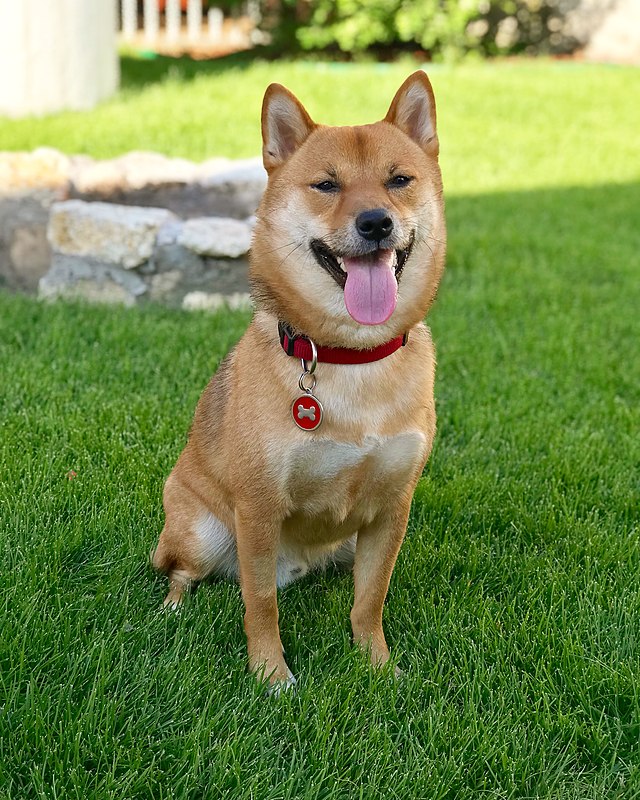
A compact, well-muscled spitz standing about 35 to 43 cm at the shoulder, with males around 8 to 11 kg and females a little lighter. The build is sturdy and agile with a clearly fox-like head, small triangular erect ears, and small, deep-set eyes that give a sharp, confident expression. The double coat is short, thick and harsh on the outside with a soft, dense undercoat, and the well-furred tail curls or sickles over the back. Colours are red, black and tan, and sesame (red hairs tipped with black), all showing the pale cream markings known as urajiro on the cheeks, chest, underside and legs. The overall impression is neat, balanced and quietly self-possessed.
Suitability
Shibas can live in a flat or a house as long as they get daily exercise and mental stimulation, but secure, high fencing is essential because they are determined escape artists and will roam if they get the chance, and they cannot be trusted off-lead in open areas. They suit experienced, patient owners who genuinely like an independent dog and are firmly not the easy first dog their looks suggest. They tolerate being left alone better than many breeds but still need company and activity to stay out of mischief. Households with small pets should think carefully given the prey drive. The thick double coat means they feel the heat, so in the Australian climate they should be exercised in the cool of the day over summer, kept brushed out, and always have shade and fresh water.
Health
Shiba Inus are a generally robust breed and often live around 13 to 16 years. The best-documented concerns are orthopaedic and eye related. Patellar luxation and hip dysplasia both occur and should be screened, and the breed can be affected by eye diseases including progressive retinal atrophy, glaucoma and cataracts. Allergic skin disease (atopy) is fairly common and can mean ongoing itch and ear trouble. A serious inherited condition called GM1 gangliosidosis exists in some lines and can be DNA tested, and some dogs are prone to luxating patellas from a young age. Buy from a breeder who hip scores, has eyes examined by a veterinary ophthalmologist, checks patellas, and DNA tests for GM1 where the lines call for it. Given the allergy risk, ask about skin and coat health in the dog's relatives.
Find your Shiba Inu
Browse trusted Shiba Inu breeders across Australia and read genuine reviews from real owners, or take the quiz to be sure of the fit.