
Chinese Shar-Pei
Chinese Fighting Dog
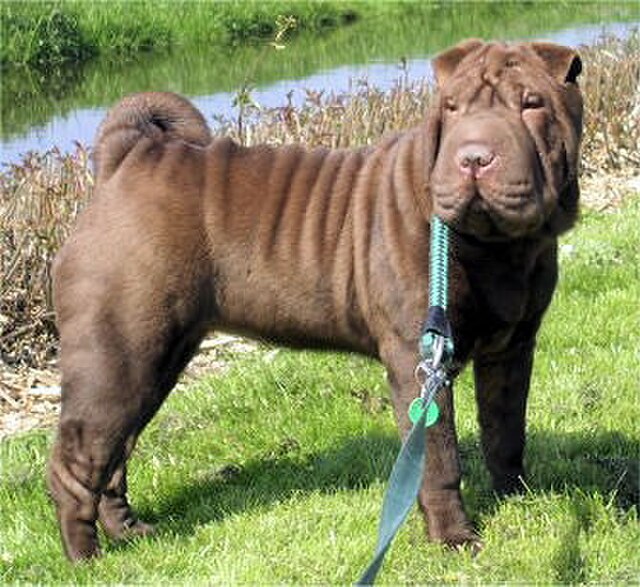
The Chinese Shar-Pei is a medium-sized guardian breed from southern China, instantly known for its loose, wrinkled skin, scowling face and small, deep-set eyes. It is calm, dignified and very loyal to its own family, with a strongly independent, somewhat aloof streak and a built-in wariness of strangers that makes it a natural watchdog. It is not a demonstrative, easygoing dog and can be quite stubborn, so it needs an owner who can offer calm, consistent leadership and thorough early socialisation. Exercise needs are moderate, met by daily walks and play. The harsh, prickly coat is short and easy to brush, but the skin folds, especially in the heavily wrinkled type, need regular cleaning and drying to prevent infection. It suits experienced owners who want a quiet, devoted guardian, and it is generally not a good fit for first-timers or homes with very young children.
Size
Medium
Lifespan
8-10 years
Group
Group 7 - Non Sporting
Height
Male: 46-51 cm (18-20 inches), Female: 46-51 cm (18-20 inches)
Weight
Male: 18-25 kg (40-55 lbs), Female: 18-25 kg (40-55 lbs)
Origin
China
Compatibility & care
How this breed fits into life with you
Scores are out of 5. Tap the help icon next to any trait to see what it really means.
Personality
How they think and behave
With family
Who they get along with
Care needs
What they ask of you
Origin & history
The Shar-Pei is an old Chinese breed long kept in the southern provinces as an all-round farm dog, working as a guardian, hunter and herder, and at times used in dog fighting, a role its loose skin and bristly coat are often said to have suited. The name refers to that rough, sandy coat. By the mid-20th century the breed had become extremely rare in its homeland and was at one point listed among the rarest dogs in the world. A determined effort by breeders in Hong Kong, and a publicised appeal to enthusiasts in the United States in the 1970s, rescued it from near extinction and built the population that exists today. The heavily wrinkled, padded-muzzle look familiar in the West was emphasised during that Western revival. The breed is present but not common in Australia. The ANKC recognises it in the Non-Sporting Group.
Temperament
The Shar-Pei is calm, self-contained and deeply loyal to its family, but it is also independent and aloof by nature, more inclined to watch quietly than to fuss or play the clown. It bonds closely with its own people and can be gentle and devoted at home, yet it is reserved and often suspicious with strangers, which underpins its reliable watchdog instinct. It can be assertive or scrappy with unfamiliar dogs and other animals, a legacy of its fighting and guarding past, so early, thorough socialisation is essential. It is intelligent but strong-willed and frequently stubborn, so it needs patient, firm, consistent, reward-based training and an owner it respects rather than one who nags or bullies it. It is not a needy breed and is fairly tolerant of being alone, but it still wants to be part of family life and does best in a settled, predictable household.
Appearance
A medium-sized, squarely built dog standing roughly 44 to 51 cm at the shoulder and weighing about 18 to 29 kg, compact and solid rather than tall. The hallmarks are the loose, folded skin, most pronounced in pups and around the head and shoulders in adults, the broad blue-black tongue, the small sunken eyes and the so-called hippopotamus head with its padded muzzle. The coat is short, harsh and straight, standing off the body, and comes in two recognised lengths: the very short, bristly horse coat and the slightly longer brush coat. A wide range of solid colours is accepted, including fawn, red, cream, black and blue, always self-coloured. The tail is thick at the base and curls high over the back.
Suitability
The Shar-Pei is a breed for experienced owners who understand and accept its aloof, strong-willed nature and its considerable health and grooming demands. It can adapt to apartment or house living as long as it gets daily exercise, but it needs a calm, stable home and an owner who can socialise and train it well. It is generally not recommended for first-time owners or for families with very young children, given its reserve and low tolerance for rough handling. It copes with being left alone better than many breeds, thanks to its independent streak, though it should not be isolated from its family. The Australian climate is a real consideration: the heavy skin folds trap heat and moisture, the breed can struggle in high temperatures and humidity, and the folds must be kept clean and dry, so it needs shade, water and cool-of-the-day exercise in summer.
Health
The Shar-Pei is, unfortunately, a breed with a heavy load of health problems, and it typically lives around 8 to 12 years. The condition most tied to it is familial Shar-Pei fever, an inherited disorder causing recurrent fevers and swollen hocks that can progress to amyloidosis, a serious build-up of protein that damages the kidneys or liver. The skin folds and the prevalence of skin allergies and infections make this a high-maintenance breed dermatologically. Eye problems are common, especially entropion, where the eyelids roll inward and the lashes scratch the eye, often needing surgery, and the breed is also prone to ear infections from its tight, narrow ear canals, plus hip dysplasia and a particular kidney and bowel disorder. Buy only from breeders who breed away from Shar-Pei fever, screen eyes and hips, and are candid about skin, kidney and eye history in their lines.
Find your Chinese Shar-Pei
Browse trusted Chinese Shar-Pei breeders across Australia and read genuine reviews from real owners, or take the quiz to be sure of the fit.