
Sealyham Terrier
Welsh Border Terrier, Cowley Terrier
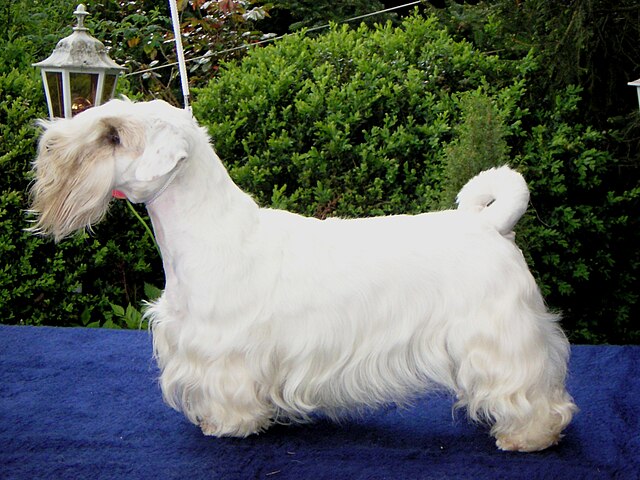
The Sealyham Terrier is a small, low-set, solidly built terrier from Wales with a mostly white coat, a full beard and a calmer, more easy-going manner than many of its terrier cousins. Bred to hunt tough quarry underground, the Sealyham is brave and determined but at home is typically affectionate, steady and good-humoured. They bond closely to their families and are usually more relaxed with visitors than the average terrier. Exercise needs are moderate, regular walks and play rather than serious distance, which suits a less sporty household. They keep a real prey drive and a stubborn streak, so consistent training and early socialisation pay off. They suit families and individuals who want a characterful but reasonably laid-back small dog, and are less ideal for homes with small pets to chase. The wiry coat needs regular grooming and clipping or stripping.
Size
Small to Medium
Lifespan
14-16 years
Group
Group 2 - Terriers
Height
Male: 30 cm (12 inches), Female: 28 cm (11 inches)
Weight
Male: 11-11.3 kg (24-25 lbs), Female: 9.5-10.4 kg (21-23 lbs)
Origin
United Kingdom
Compatibility & care
How this breed fits into life with you
Scores are out of 5. Tap the help icon next to any trait to see what it really means.
Personality
How they think and behave
With family
Who they get along with
Care needs
What they ask of you
Origin & history
The Sealyham Terrier was developed in the mid to late nineteenth century in Pembrokeshire, Wales, and is credited to Captain John Edwardes of the Sealyham estate, who wanted a tough, mostly white terrier that could work alongside hounds and go to ground after badger, otter and fox. The white coat was deliberate, so the dog could be told apart from its quarry in poor light. The exact crosses are not fully recorded but likely included several terrier types and possibly other small working breeds. The breed was recognised in the early twentieth century and enjoyed a period of real fashion, popular with British high society and a string of Hollywood film stars between the wars. Numbers fell sharply after the Second World War as working terriers gave way to pets, and the Sealyham is now an uncommon breed, including in Australia, kept mainly by dedicated enthusiasts.
Temperament
Sealyhams have a reputation as one of the more laid-back terriers, cheerful and affectionate without the constant high-octane drive of some relatives, though they are still very much a terrier underneath. They are devoted to their families and generally good with children they are raised with, taking the rough and tumble of family life in their stride. With strangers they tend to be friendlier and less suspicious than many terriers, while still being alert enough to make a decent watchdog. The prey drive remains strong, so small pets such as rabbits and rodents are a risk, and they can be choosy about strange dogs. They are intelligent and capable of learning well, but the independent terrier mind means training works best when it is patient, consistent and rewarding rather than repetitive. Early socialisation and a bit of mental engagement keep them balanced and content.
Appearance
A small, sturdy, low-to-ground dog standing about 26 to 31 cm at the shoulder and weighing roughly 8 to 9 kg, with a surprisingly substantial, well-boned body. The head is long and broad with a strong jaw, finished with heavy eyebrows and a full beard, and the medium-sized ears fold over. The double coat has a hard, wiry outer layer over a soft, dense undercoat. The colour is predominantly white, sometimes with lemon, tan, badger or grey markings on the head and ears. The look is balanced and workmanlike, a powerful dog packed into a small, low frame.
Suitability
Sealyham Terriers suit flats and houses alike, since their exercise needs are moderate, though a secure yard caters to their digging and chasing instincts. Their calmer temperament makes them a more forgiving terrier for a first-time owner who is still prepared to be consistent with training. They are companionable dogs that thrive on being included and do not enjoy being left alone for long stretches. Households with small caged pets should be cautious given the prey drive. The thick double coat means they feel the heat, so in the Australian climate they should be exercised during the cooler parts of summer days, kept well groomed, and always have access to shade and fresh water.
Health
Sealyham Terriers are reasonably hardy and often live around 12 to 15 years. The most important inherited concern is primary lens luxation, an eye condition where the lens slips out of place and which can cause pain and blindness if not caught; happily it can be DNA tested. Other recognised eye issues include retinal problems and cataracts, so eye examinations matter. The breed can also be affected by lens-related glaucoma, some skin allergies and the occasional joint problem such as patellar luxation or hip dysplasia, and dental care is worth keeping on top of. Buy from a breeder who DNA tests for primary lens luxation and has eyes examined by a veterinary ophthalmologist, and ask about the longevity and any eye history in their lines. Routine vet checks, including eye and dental checks, help catch problems early.
Find your Sealyham Terrier
Browse trusted Sealyham Terrier breeders across Australia and read genuine reviews from real owners, or take the quiz to be sure of the fit.