
Bergamasco Shepherd Dog
Bergamasco, Cane da Pastore Bergamasco
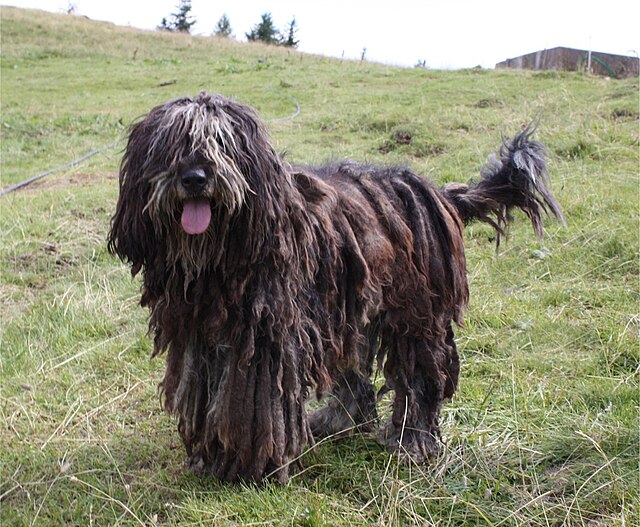
The Bergamasco Shepherd is an Italian herding and flock-guarding breed, instantly known by its unusual coat that forms flat felted mats or flocks rather than ordinary hair. Underneath that distinctive look is a calm, thoughtful, independent dog bred to make its own decisions out on the mountainside. Bergamascos are patient and gentle with their families and tend to attach themselves strongly to the household. They have moderate exercise needs for a working breed, content with good daily walks and the chance to use their brain, and they are generally placid indoors. They suit a patient owner who appreciates an independent dog and does not expect instant, military-style obedience. The coat is genuinely low-maintenance once the flocks have formed, needing no brushing, though it must be set up correctly in the first couple of years and dries slowly after a bath.
Size
Large
Lifespan
13-15 years
Group
Group 5 - Working Dogs
Height
Male: 61–71 cm (24-28 inches), Female: 58–69 cm (23-27 inches)
Weight
Male: 32-38 kg (70-84 lbs), Female: 26-32 kg (57-71 lbs)
Origin
Italy
Compatibility & care
How this breed fits into life with you
Scores are out of 5. Tap the help icon next to any trait to see what it really means.
Personality
How they think and behave
With family
Who they get along with
Care needs
What they ask of you
Origin & history
The Bergamasco is an old breed from the Italian Alps around Bergamo, where it worked for centuries as a herding and livestock-guarding dog. Shepherds valued it for managing and protecting flocks through hard alpine winters, and the felted coat developed as natural protection against cold, rain and the teeth of predators. The breed nearly disappeared after the Second World War as wool production declined, and it owes its survival largely to a small number of dedicated Italian breeders, notably Maria Andreoli, who rebuilt the population from a handful of dogs. It remains a rare breed everywhere, including Australia, where only a small number are kept. Today it works mainly as a companion and occasional herding dog rather than as a full-time flock guardian.
Temperament
This is a steady, independent thinker rather than an eager-to-please performer. With family the Bergamasco is affectionate, loyal and notably patient, and it usually does well with children, watching over them in the protective way you would expect from a flock guardian. It tends to be reserved rather than effusive with strangers and makes a reliable, level-headed watchdog without being needlessly noisy. Raised alongside other dogs and pets it generally settles well, though its guarding background means early socialisation pays off. Trainability is good but on the dog's own terms, it likes to understand the point of a task, so harsh or repetitive drilling falls flat. Patience, consistency and respect for its intelligence get the best results. Its main needs are mental engagement, a sense of purpose and a close bond with its people.
Appearance
A solidly built, medium to large dog, males standing about 58 to 62 cm and females 54 to 58 cm, weighing roughly 26 to 38 kg with males heavier. The defining feature is the coat, made up of three hair types that weave together into flat felted flocks covering the body and falling over the eyes. Colours run through solid grey, shades of grey merging towards black, and fawn or light tones. The build is sturdy and compact under all that coat, the expression calm and attentive. Puppies are born with soft fluffy coats, and the characteristic flocks only develop as the dog matures.
Suitability
A house with a yard suits the Bergamasco best, ideally with an owner who values a calm, independent companion and is not chasing a quick-obedience dog. Their relaxed indoor manner means they cope better than many working breeds with ordinary family life, and they tolerate being left for moderate periods better than the more needy herders, though they still want company and should not be isolated. A committed, patient first-time owner could manage one, but the breed rewards someone who understands independent dogs. The heavy felted coat is built for alpine cold and can make hot Australian summers genuinely uncomfortable, so provide shade, water and exercise in the cool of the morning or evening, and never leave one in heat without relief.
Health
Bergamascos are a hardy breed and many live 13 to 15 years, helped by a relatively healthy gene pool that escaped heavy commercial breeding. The best-documented concern is hip dysplasia, and progressive retinal atrophy has been recorded in some lines. As a larger, deeper-chested dog there is a degree of bloat risk, so feed measured meals rather than one big one and avoid hard exercise on a full stomach. The dense coat can trap moisture and debris near the skin, so the flocks need checking for damp, irritation or hidden lumps. Look for a breeder who hip scores their dogs and has eyes examined, and given how few are bred, expect a careful, selective approach and be ready to go on a waiting list. Ask to see the parents and their health paperwork.
Find your Bergamasco Shepherd Dog
Browse trusted Bergamasco Shepherd Dog breeders across Australia and read genuine reviews from real owners, or take the quiz to be sure of the fit.