
German Spitz
Deutscher Spitz
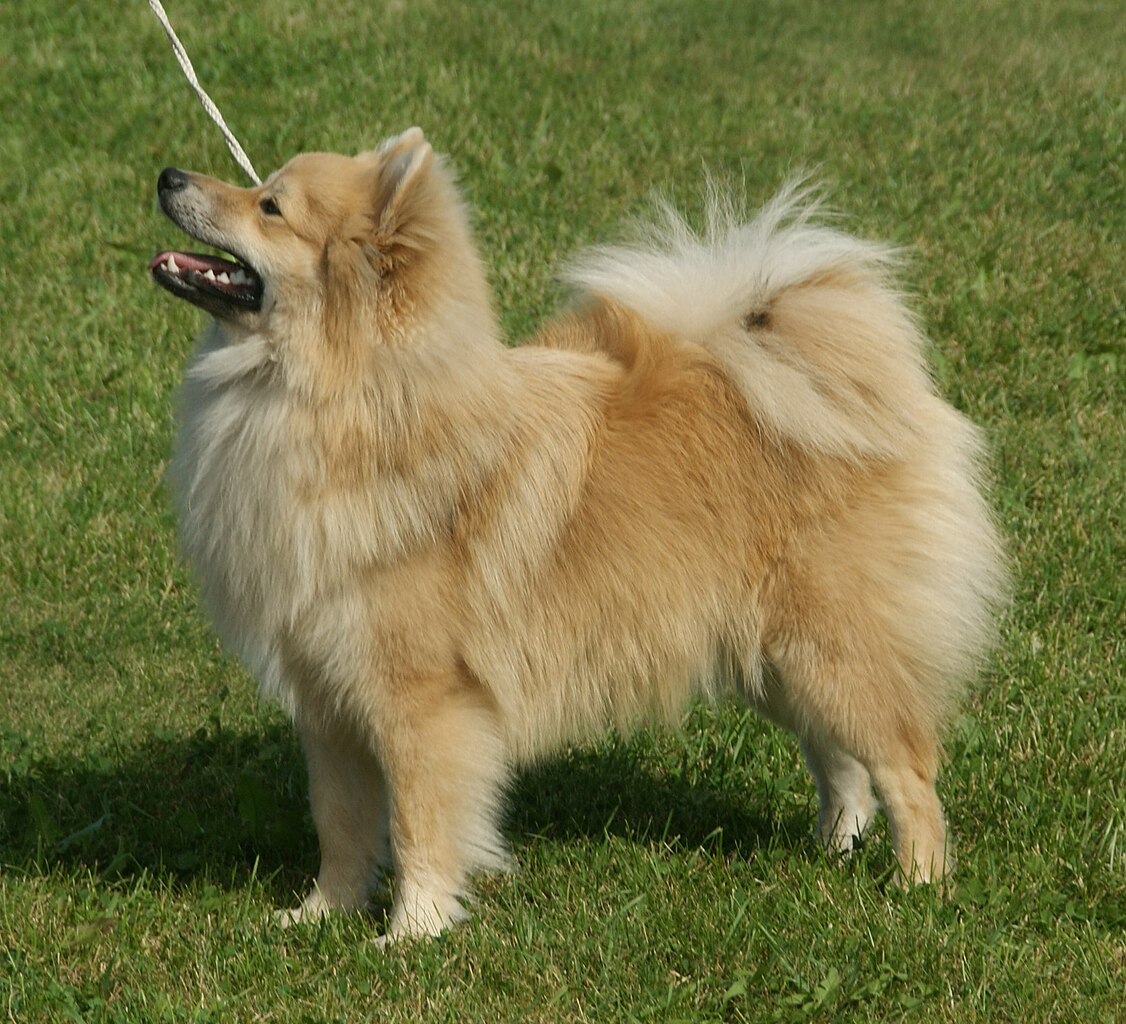
The German Spitz is a lively, alert companion of the classic spitz type, with a fox-like face, pricked ears, a plush stand-off double coat and a tail curled over the back. In Australia the breed is usually seen in the Klein (small) and Mittel (medium) sizes, which differ in height but share one bright, busy, affectionate character. These are intelligent, devoted little dogs that bond closely with their people, make keen watchdogs and tend to bark readily. They need moderate daily exercise and, more importantly, mental engagement and company, as a bored or lonely German Spitz can become a persistent barker. The breed suits attentive owners, including flat-dwellers, who enjoy an involved, vocal companion. The thick double coat needs regular brushing to stay healthy and tangle-free, but it does not require trimming. A standout trait is the loud, watchful alertness packed into a small, cheerful dog.
Size
Small (Klein) and Medium (Mittel)
Lifespan
12-15 years
Group
Group 7 - Non Sporting
Height
Klein: 23-28 cm (9-11 inches), Mittel: 30-38 cm (12-15 inches)
Weight
Klein: 3.5-5 kg (8-11 lbs), Mittel: 10.5-18.5 kg (23-41 lbs)
Origin
Germany
Compatibility & care
How this breed fits into life with you
Scores are out of 5. Tap the help icon next to any trait to see what it really means.
Personality
How they think and behave
With family
Who they get along with
Care needs
What they ask of you
Origin & history
The German Spitz belongs to one of the oldest groups of dogs in central Europe, descended from the spitz-type herding and farm dogs of the German regions. For centuries these dogs earned their keep as alert, hardy all-rounders that guarded farms, homes and boats and raised the alarm at anything unfamiliar, valued more as watchdogs than as workers with stock. The wider spitz family was selectively bred over time into several sizes, from the large Wolfspitz (the Keeshond) down through the Gross, Mittel and Klein to the tiny Zwergspitz, better known internationally as the Pomeranian. The German Spitz is recognised by the ANKC, with the Klein and Mittel kept here as companion dogs. It shares close ancestry with the Pomeranian, which is essentially the smallest, most heavily coated member of the same family.
Temperament
German Spitz are bright, busy and affectionate, devoted to their families and happiest when closely involved in the household. They are usually good with children they are raised with, though their small size means play with very young kids should be supervised. As natural watchdogs they are alert and reserved with strangers and quick to sound off at noises and visitors, so early socialisation and some training around when to stop barking are important to keep the habit in check. They generally get along with other dogs and with pets they are raised alongside. Intelligent and eager to please, they respond well to reward-based training and enjoy learning tricks and games, but they can be a touch wilful and benefit from consistency. Their key needs are company, mental stimulation and gentle guidance on barking, as an under-occupied, lonely spitz readily becomes noisy and demanding.
Appearance
A compact, square dog with a distinctly fox-like head, wedge-shaped muzzle, small pricked ears and dark, lively eyes, the German Spitz carries a profuse stand-off coat and a well-plumed tail curled over the back. Size depends on variety: the Klein generally stands about 23 to 29 cm at the shoulder, and the Mittel about 30 to 38 cm, with weight scaling accordingly from a few kilograms up to around eleven. The coat is a true double coat, a long, straight, harsh-textured outer coat standing off from a short, dense, woolly undercoat, with a pronounced ruff around the neck and feathering on the legs. It comes in many colours, including orange, cream, black, white, brown and various sables and parti-colours.
Suitability
The German Spitz adapts well to apartment or house living and suits attentive owners, couples, families and older people who want a small, characterful companion and do not mind a vocal dog. Its modest size and exercise needs make it manageable for many first-time owners, provided they commit to training, socialisation and regular grooming. It is a sociable breed that dislikes being left alone for long stretches and can bark or fret when isolated, so it does best where someone is around for much of the day. In the Australian climate the thick double coat means heat must be managed with shade, fresh water and walks in the cooler hours, and that dense coat needs regular brushing, particularly during the seasonal moult, to prevent matting.
Health
Typical lifespan is around 13 to 15 years, and the German Spitz is generally a hardy, long-lived little breed. The best-documented concern is patellar luxation, where the kneecap slips out of place, which is common across small spitz-type and toy breeds and can range from mild to needing surgery. Inherited eye conditions, including progressive retinal atrophy, occur in the wider spitz family and are worth screening for, and dental disease is a routine risk in small dogs, so tooth care matters. Some spitz breeds are prone to the skin condition sebaceous adenitis, though it is not especially frequent here. Buy from breeders who have breeding stock checked for patellar luxation and eye-tested, and who are open about longevity in their lines. Keeping the dog lean protects the knees, and regular dental care and coat checks round out preventative care.
Find your German Spitz
Browse trusted German Spitz breeders across Australia and read genuine reviews from real owners, or take the quiz to be sure of the fit.