
Pumi
Pumee
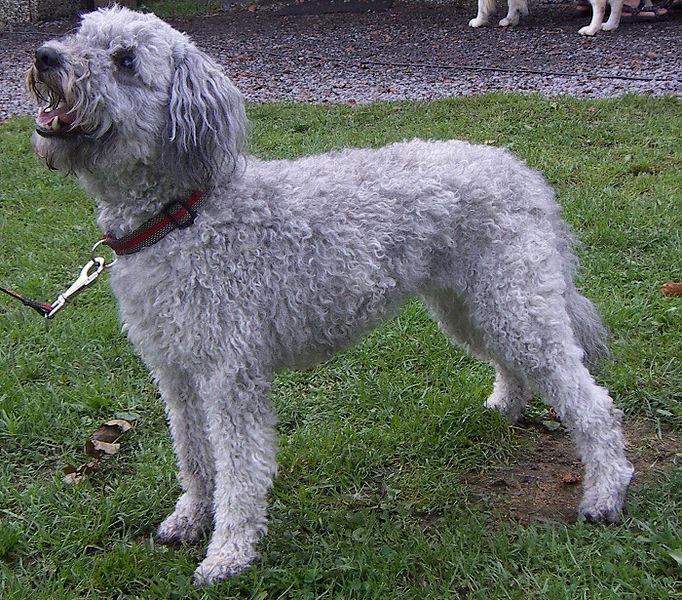
The Pumi is a small to medium Hungarian herding dog with a quirky look: a curly coat, a long muzzle and high-set, semi-erect ears that give it a permanently alert, almost cheeky expression. It is fast, agile and very energetic, with the sharp mind and quick reactions of a proper farm worker. Pumik are affectionate and loyal with their family but lively and busy, and they like to use their voice, which can mean barking if they are bored or under-stimulated. They need plenty of daily exercise and mental work and do extremely well at agility, obedience and herding. The wavy, non-shedding coat is fairly low-shed but needs combing every week or two and a wet trim every couple of months. A Pumi suits an active owner who wants a trainable, busy companion. It does not suit a quiet or sedentary home.
Size
Small to Medium
Lifespan
13-15 years
Group
Group 5 - Working Dogs
Height
Male: 41-47 cm (16-18.5 inches), Female: 38-44 cm (15-17.5 inches)
Weight
Male: 10-13 kg (22-29 lbs), Female: 8-12 kg (18-26 lbs)
Origin
Hungary
Compatibility & care
How this breed fits into life with you
Scores are out of 5. Tap the help icon next to any trait to see what it really means.
Personality
How they think and behave
With family
Who they get along with
Care needs
What they ask of you
Origin & history
The Pumi developed in Hungary, taking shape from about the seventeenth and eighteenth centuries when older Hungarian herding stock, the Puli among them, was crossed with prick-eared herding and terrier-type dogs brought in from Germany and France. The result was a versatile all-round farm dog used to drive and herd cattle, sheep and pigs, often working close and noisy to move stubborn stock down narrow lanes, and to deal with vermin around the farm. It was recognised as a distinct breed separate from the Puli in the early twentieth century. For a long time it was little known outside Hungary, and it has spread only relatively recently, gaining wider international recognition in the last couple of decades. In Australia the Pumi is rare and is registered with the ANKC in the Working Dog Group, kept mainly by herding and dog-sport people.
Temperament
The Pumi is keen, clever and full of go, a herding dog that wants to be working or playing most of the time. It is devoted and affectionate with its own people and likes to stay close and involved. It is usually good with children it has grown up with, though its energy and herding habit can mean nipping at heels or trying to move people along, which needs gentle redirection. Pumik tend to be wary and reactive with strangers and are quick to bark, which makes them alert little watchdogs but means early, thorough socialisation is important to keep them sensible. They are extremely trainable and thrive on reward-based work, learning quickly and excelling in dog sports, but the active mind gets bored and noisy without a job. With other dogs they are generally sociable when well raised. The essential needs are daily exercise, mental challenge and consistent, positive guidance.
Appearance
A light, square, terrier-like dog standing roughly 38 to 47 cm at the shoulder and weighing about 8 to 15 kg, with females smaller than males. The breed's signature features are the high-set ears, with the top third tipping forward, and the elongated head with a long muzzle that gives a whimsical look. The coat is a medium-length mix of wavy and curly hair, growing in loose curls and clumps rather than cords, and it sheds very little. Recognised colours are solid grey (in many shades), black, white, and a fawn (maszkos fako) usually with a darker mask. The tail is set high and curls forward. Overall the Pumi looks alert, springy and ready to move.
Suitability
The Pumi suits an active owner or family who will train it, exercise it hard and give it a job to do, ideally with a securely fenced yard. It can live in a smaller home if its high exercise and mental needs are genuinely met, but it is not a calm apartment dog and tends to bark, which can be an issue with close neighbours. A motivated first-time owner can manage one, but only with a real commitment to training and activity. It bonds closely and prefers not to be left alone for long, becoming vocal and bored if isolated. In the Australian climate the curly coat copes reasonably with warmth, but as with any active dog it still needs shade, fresh water and exercise kept to the cooler parts of the day in summer.
Health
Pumik are generally a healthy, robust breed and often live around 12 to 14 years. A handful of inherited conditions are recognised and testable. Hip dysplasia occurs, so breeding dogs should be hip-scored. Patellar luxation (slipping kneecaps) is seen and worth checking. Primary lens luxation, where the lens of the eye dislocates and can cause painful glaucoma and blindness, is a known concern in the breed and has a reliable DNA test, as does degenerative myelopathy. Other inherited eye conditions can occur, so current eye testing is sensible. Because the breed is uncommon, ask the breeder specifically what they screen for: look for hip scoring, eye testing, and DNA results for primary lens luxation and degenerative myelopathy, ideally clear or clear-by-parentage. A good breeder will be breeding for sound temperament and structure as well as health.
Find your Pumi
Browse trusted Pumi breeders across Australia and read genuine reviews from real owners, or take the quiz to be sure of the fit.