
Pyrenean Mountain Dog
Great Pyrenees, Patou
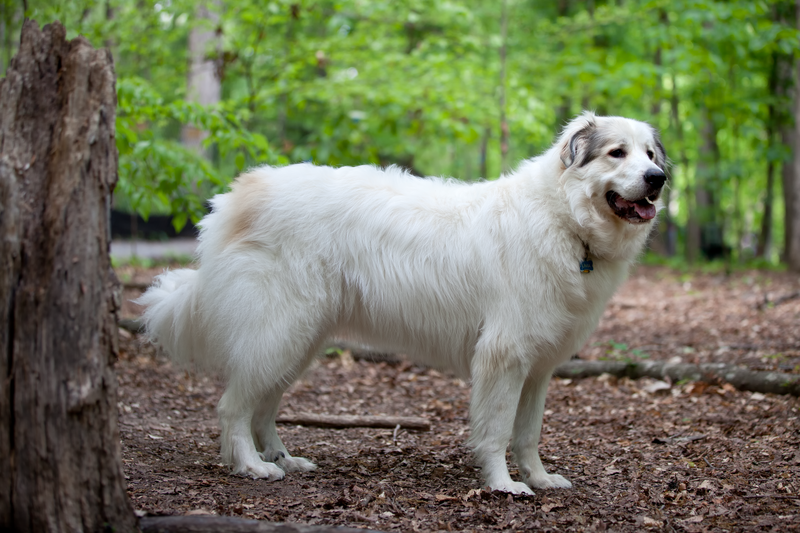
The Pyrenean Mountain Dog, known in much of the world as the Great Pyrenees and in France as the Patou, is a large, white livestock-guardian breed from the mountains between France and Spain. It is calm, gentle and deeply devoted to its family, and famously patient and protective with children. Like other guardian breeds it is independent and self-thinking rather than eager to obey, with a strong instinct to watch over its home and a habit of barking, especially at night, to warn off intruders. Exercise needs are moderate, steady daily walks and room to patrol rather than hard exercise, but early socialisation and calm, consistent handling are essential because it becomes very large. The thick double coat needs regular brushing and sheds heavily, particularly in the seasonal moults. This breed suits an experienced owner with space. It does not suit apartments, novice owners, or anyone wanting an obedient, off-lead companion.
Size
Large
Lifespan
10-12 years
Group
Group 6 - Utility
Height
Male: 69-81 cm (27-32 inches), Female: 63-74 cm (25-29 inches)
Weight
Male: 54-77 kg (120-170 lbs), Female: 45-64 kg (100-140 lbs)
Origin
France, Spain
Compatibility & care
How this breed fits into life with you
Scores are out of 5. Tap the help icon next to any trait to see what it really means.
Personality
How they think and behave
With family
Who they get along with
Care needs
What they ask of you
Origin & history
The Pyrenean Mountain Dog comes from the Pyrenees on both the French and Spanish sides, where it worked for centuries as a livestock guardian, living with the flocks high in the mountains and defending them from wolves and bears. Its great size, thick white coat and deep bark were the deterrent, and it often wore a spiked collar for protection in a fight. The white coat let shepherds tell it apart from predators in poor light. By the eighteenth century it had also become a fashionable guard dog for French nobility and was kept at the Chateau of Lourdes and associated with the French court. The breed was refined and recovered through the twentieth century after wartime decline and spread widely overseas. In Australia it is registered with the ANKC in the Utility Group, kept both as a working guardian on rural properties and as a family companion.
Temperament
The Pyrenean Mountain Dog has the steady, watchful temperament of a livestock guardian. With its family it is gentle, affectionate and calm, and it is renowned for being patient and protective with children, though its size means supervision around small ones is wise. It is naturally reserved with strangers and strongly territorial, and it will bark to warn off anything it considers a threat, often at night, which is part of how it does its job and can be a real consideration for neighbours. It is generally good with other dogs and with the stock and pets it is raised alongside, extending its protective instinct to them. It is intelligent but independent and was bred to make its own decisions far from the shepherd, so it is not naturally obedient and can seem stubborn; patient, positive training and fair, consistent boundaries work far better than force. Thorough early socialisation is essential to raise a confident, discerning adult.
Appearance
A large, imposing but elegant dog. Males stand roughly 70 to 82 cm at the shoulder and the breed generally weighs from about 40 kg up to 60 kg or more, with females clearly smaller. The build is strong and substantial without being clumsy. The coat is a thick, weather-resistant double coat, longer and coarser on the outside with a dense, woolly undercoat, and a fuller mane around the neck. The colour is principally white, sometimes with patches or shadings of badger (greyish), tan, pale yellow or wolf-grey, especially on the head and at the base of the tail. A well-known feature is the double dewclaws on the hind legs, a breed hallmark. The expression is gentle and contemplative, and the plumed tail curls over the back when the dog is alert.
Suitability
This breed suits an experienced owner with a house and large, securely fenced yard, or a rural property, who wants a calm guardian and understands what that means. It is not an apartment dog and is a poor fit for novice owners given its size, independence, protective drive and barking. It tolerates being left for moderate periods better than many breeds, as guardians are used to working alone, but it still wants to be with its family and watching its territory. Heat is the key issue in the Australian climate: the thick double coat is made for cold mountains, so the dog needs shade, plenty of water and exercise only in the cool of the day, and it should never be left out or worked in the heat. The coat must be brushed out regularly and never shaved, as it also helps insulate against heat.
Health
Pyrenean Mountain Dogs commonly live around 10 to 12 years, in line with other giant breeds. The major concerns are orthopaedic: hip dysplasia and elbow dysplasia are well documented, and patellar luxation is also seen, so breeding dogs should be hip-scored and elbow-scored. As a large, deep-chested breed it is at real risk of bloat (gastric dilatation-volvulus), a sudden stomach twist that is a veterinary emergency, so owners should know the signs and feeding precautions. A breed-specific neurological condition, neuronal degeneration, has a DNA test available, and inherited eye conditions and skin infections in the heavy coat can also occur. Buy from breeders who hip-score and elbow-score their stock, check eyes, use the available DNA test for neuronal degeneration where relevant, and rear puppies with controlled growth and careful exercise to protect developing joints. Ask about longevity and any history of bloat in the line.
Find your Pyrenean Mountain Dog
Browse trusted Pyrenean Mountain Dog breeders across Australia and read genuine reviews from real owners, or take the quiz to be sure of the fit.