
Yakutian Laika
Yakut Laika, Yakutian Dog
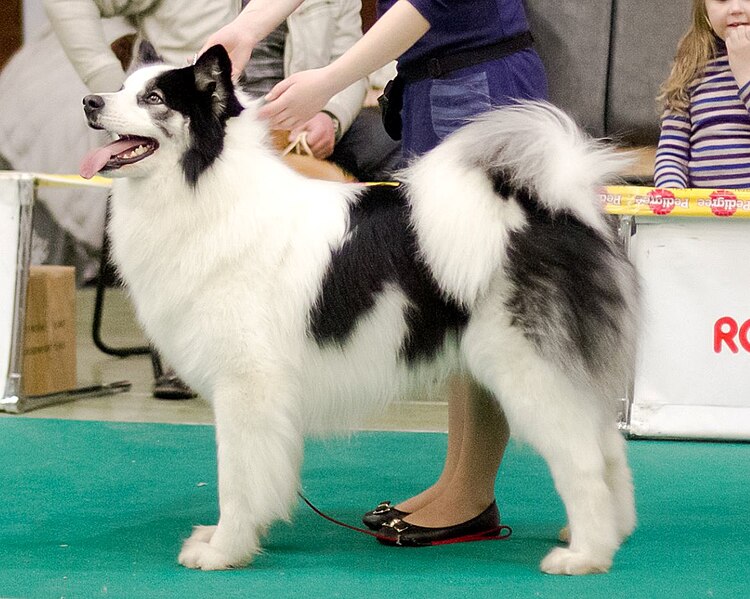
The Yakutian Laika is a hardy spitz-type working dog from the Russian Arctic, bred by the indigenous peoples of Yakutia to pull sleds, hunt and herd reindeer in brutal cold. It is friendly, energetic and people-oriented, more sociable and biddable than many northern breeds, with a real attachment to its family and a love of being part of a team. This is an active, athletic dog that needs a lot of daily exercise and a job or activity to feel right; bored and under-worked, it digs, howls and escapes. The thick double coat is built for snow, sheds heavily, especially in seasonal moults, and needs frequent brushing to stay in order. It suits active, committed owners with space and time. It does not suit sedentary homes, hot small flats, or owners who cannot cope with heavy shedding, high exercise needs and a strong urge to roam.
Size
Medium to Large
Lifespan
12-15 years
Group
Group 6 - Utility
Height
Male: 54-58 cm (21-23 inches), Female: 51-56 cm (20-22 inches)
Weight
Male: 23-27 kg (50-60 lbs), Female: 18-23 kg (40-50 lbs)
Origin
Russia
Compatibility & care
How this breed fits into life with you
Scores are out of 5. Tap the help icon next to any trait to see what it really means.
Personality
How they think and behave
With family
Who they get along with
Care needs
What they ask of you
Origin & history
The Yakutian Laika comes from the Yakutia (Sakha) region of north-eastern Siberia, one of the coldest inhabited places on earth, where it has worked alongside the indigenous Sakha people for centuries. It was an all-purpose survival dog: hauling sleds across the tundra, hunting game, and helping herd and guard reindeer, often living and working in teams. Generations of selection in an extreme climate produced a tough, weatherproof, cooperative dog with great endurance. The breed declined sharply during the twentieth century as snowmobiles replaced dog teams, then was deliberately revived and formally standardised in Russia, gaining recognition in the early 2000s. It remains uncommon worldwide and is genuinely rare in Australia, where its heavy coat and high working drive make it a specialist's dog rather than a mainstream pet.
Temperament
The Yakutian Laika is notably friendly and affectionate for a northern working breed, having been bred to live closely and cooperatively with people rather than at arm's length. With its family it is devoted, playful and gentle, and it is generally very good with children, often patient and tolerant. It tends to be sociable rather than sharp with strangers, so while alert and willing to alarm-bark it is not a natural guard dog. Bred to work in teams, it is usually good with other dogs and can live with household pets if raised with them, though a hunting heritage means small animals and birds may draw interest. It is intelligent and learns quickly but has an independent, problem-solving streak typical of spitz breeds, so training calls for patience, consistency and reward rather than force. It needs plenty of exercise, company and mental engagement; left alone, bored or under-exercised, it will dig, howl and look for ways to escape.
Appearance
A medium-sized spitz of strong, balanced build, standing roughly 53 to 59 cm at the shoulder and weighing about 18 to 30 kg, with males larger than females. The body is compact and muscular with the typical northern outline: a curled tail carried over the back, a deep chest and sturdy bone. The coat is a dense, weatherproof double coat with a thick, soft undercoat and a harsher outer layer, longer around the neck and tail. Colours vary widely and include white, and white with black, grey or reddish markings; piebald patterns are common. The head is wedge-shaped with erect triangular ears and expressive, often strikingly pale or blue eyes, and some dogs have eyes of two different colours. The overall look is alert, friendly and built for the cold.
Suitability
The Yakutian Laika needs an active home with secure, escape-proof fencing and an owner ready to provide serious daily exercise, ideally with space such as a house and yard rather than a small flat. It can turn its paw to sledding, hiking, canicross and other dog sports, and is happiest with a job and a strong bond to its people. It is better suited to experienced, active owners than to first-timers, given its energy, coat and tendency to roam. As a sociable, team-bred dog it does not enjoy long stretches alone and may howl or escape if isolated, so it suits households with company or a canine companion. The dense Arctic coat is its biggest climate challenge in Australia: it feels heat keenly, so it must have shade, constant fresh water and exercise only in the cool of the day, and should never be left in hot conditions or a hot car.
Health
As a working breed shaped by a harsh environment and a fairly limited population, the Yakutian Laika is generally robust, with a typical lifespan of around 10 to 14 years. Documented breed-specific data is more limited than for common breeds, but the conditions to be aware of are those usual in active medium-sized dogs and northern breeds: hip and elbow dysplasia, and eye problems, with several inherited eye conditions reported in the breed, so eye testing of breeding stock is worth asking about. Because the gene pool is small, choosing a breeder who screens hips and elbows, eye-tests their dogs, and is candid about anything seen in their lines is especially important to keep the breed sound. Their heavy coat also makes skin and ear checks worthwhile, particularly in warm climates. Keep one lean and fit, and provide routine veterinary, dental and coat care.
Find your Yakutian Laika
Browse trusted Yakutian Laika breeders across Australia and read genuine reviews from real owners, or take the quiz to be sure of the fit.