
Groodle
Goldendoodle
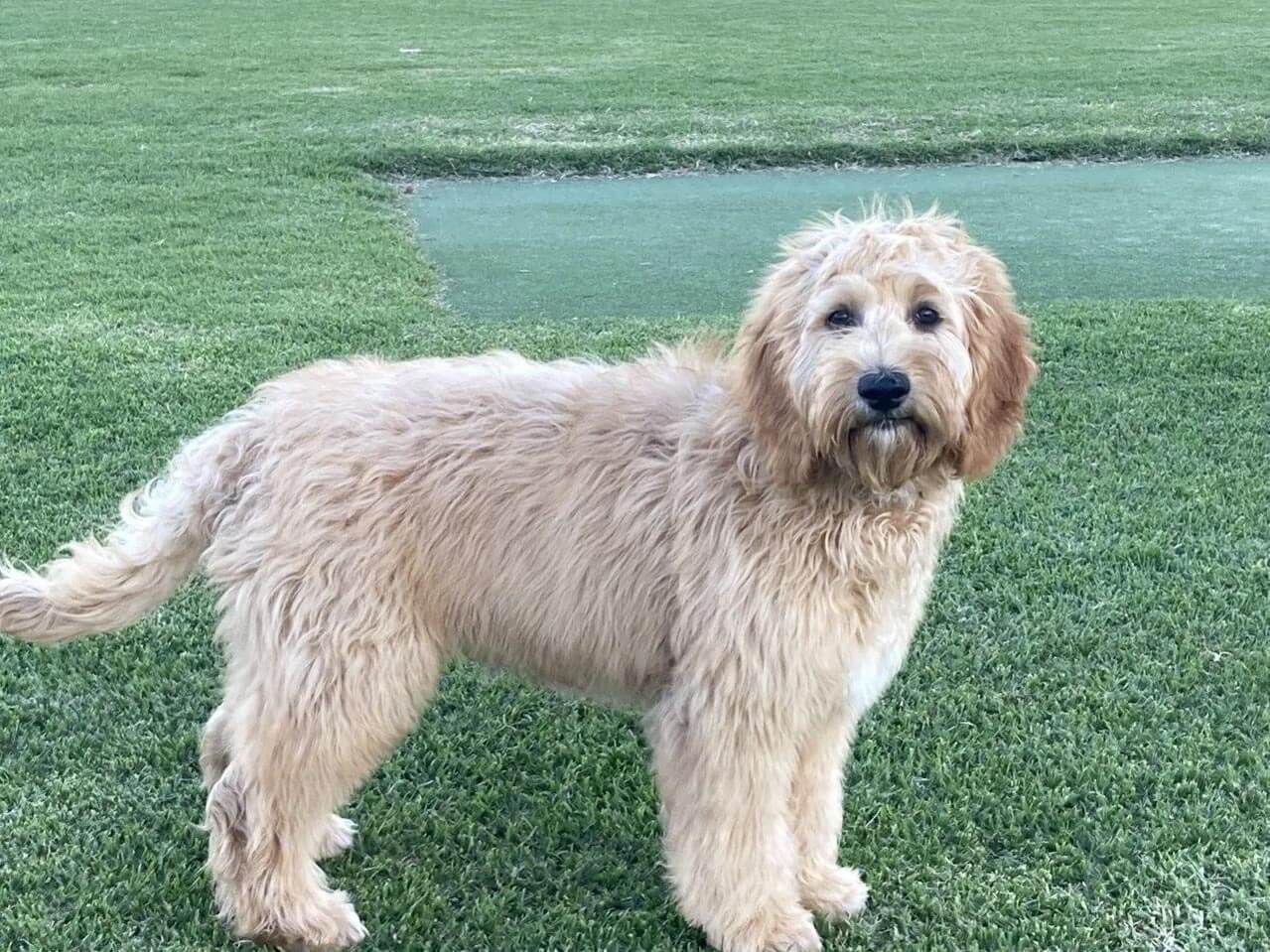
The Groodle, more widely known as the Goldendoodle, is a cross between a Golden Retriever and a Poodle (usually a Standard or Miniature). It is not a recognised breed; the ANKC and overseas kennel clubs register it as neither, since it is a deliberate cross rather than a pedigree. People choose Groodles for the temperament most pups inherit: friendly, biddable, playful and very people-oriented, with the bonus of a coat that is often (but not guaranteed to be) low-shedding and easier on allergy sufferers. They suit active families and first-time owners who want a sociable, trainable dog and who understand the grooming commitment. They do not suit anyone wanting a predictable look or coat, or anyone unprepared for a high-energy, attention-hungry dog. The wavy or curly coat usually needs professional clipping every six to eight weeks plus regular brushing to prevent matting.
Size
Medium to Large
Lifespan
10-15 years
Group
Not ANKC Recognised
Height
Medium: 43-51 cm (17-20 inches), Standard: 53-61 cm (21-24 inches)
Weight
Medium: 14-20 kg (30-45 lbs), Standard: 23-41 kg (50-90 lbs)
Origin
United States
Compatibility & care
How this breed fits into life with you
Scores are out of 5. Tap the help icon next to any trait to see what it really means.
Personality
How they think and behave
With family
Who they get along with
Care needs
What they ask of you
Origin & history
The Groodle is a modern designer cross that took off from the 1990s, with North America and Australia both prominent in its rise, riding the same wave of popularity as the Labradoodle. The aim was to pair the gentle, trainable nature of the Golden Retriever with the brains and lower-shedding coat of the Poodle, partly in the hope of producing guide and assistance dogs that suited allergy-prone handlers. As family demand grew, breeders produced Groodles in several sizes by using Standard, Miniature or Toy Poodles, and started breeding Groodle to Groodle as well as first crosses. Because there is no breed standard, type and coat vary widely from one litter to the next. In Australia the Groodle and its doodle relatives are extremely popular as family pets, though that popularity has also drawn in plenty of careless breeders, which makes choosing the source carefully especially important.
Temperament
Most Groodles are sociable, affectionate and eager to please, which is the whole point of the cross, but temperament is never guaranteed in a mix and depends on the parents and on upbringing. Typically they are excellent with family, gentle and patient with children, and friendly to the point of useless as a guard dog, greeting strangers as long-lost friends. They usually get on well with other dogs and pets, especially when socialised young. Both parent breeds are highly intelligent, so Groodles tend to be very trainable and thrive on having a job, but that intelligence combined with Retriever and Poodle energy means a bored Groodle will find its own entertainment, often destructively. They form strong attachments and are prone to separation anxiety if left alone too much. They need daily exercise, plenty of mental stimulation and consistent, reward-based training to channel their enthusiasm.
Appearance
Appearance varies a lot, which is the trade-off with any cross. Size depends entirely on the Poodle parent: Miniature crosses might sit around 10 to 20 kg, while Standard crosses can reach 25 to 35 kg or more, with height ranging accordingly. The coat is the main draw and the main lottery, ranging from loose waves to tight curls and occasionally flatter, and from low-shedding to a coat that sheds more like a Retriever; colours include cream, gold, apricot, red, chocolate, black and parti-colours. Most have the soft, slightly shaggy, teddy-bear look that the type is known for, with floppy ears, an expressive face and a feathered tail. No two litters look entirely alike.
Suitability
Groodles suit active households that want a friendly, trainable family dog and can commit to both the exercise and the grooming. A house with a yard is ideal, though a smaller Groodle can manage in an apartment if walked and stimulated properly. The biddable nature makes them reasonable for first-time owners, provided those owners are ready for a high-energy, attention-hungry dog and the ongoing cost of professional grooming. They bond closely and do not like being left alone for long days, so they fit best where someone is home much of the time or daycare is an option. On climate, the dense curly coat can hold heat, so in Australian summers keep them well groomed (matting makes overheating worse), exercise in the cooler hours, and always provide shade and water.
Health
A first-cross Groodle can be healthy and often lives around 10 to 15 years depending on size, but it can inherit problems from either parent breed, so health testing of both parents is essential and is exactly where cheap breeders cut corners. From the Golden Retriever side come risks of hip and elbow dysplasia, several cancers, and heart disease, while both parent breeds can carry eye conditions including progressive retinal atrophy (PRA), for which a DNA test exists. The Poodle line adds risks such as PRA and, in Standards, sometimes Addisons disease and bloat. Skin and ear problems are common given the floppy hairy ears and the coat. Insist on a breeder who hip and elbow scores both parents, has eyes examined and DNA-tests for PRA, and checks hearts where relevant. Crossbreeding alone does not guarantee a healthy dog; the testing behind the litter is what counts.
Find your Groodle
Browse trusted Groodle breeders across Australia and read genuine reviews from real owners, or take the quiz to be sure of the fit.