
Boxador
Boxer Labrador Mix
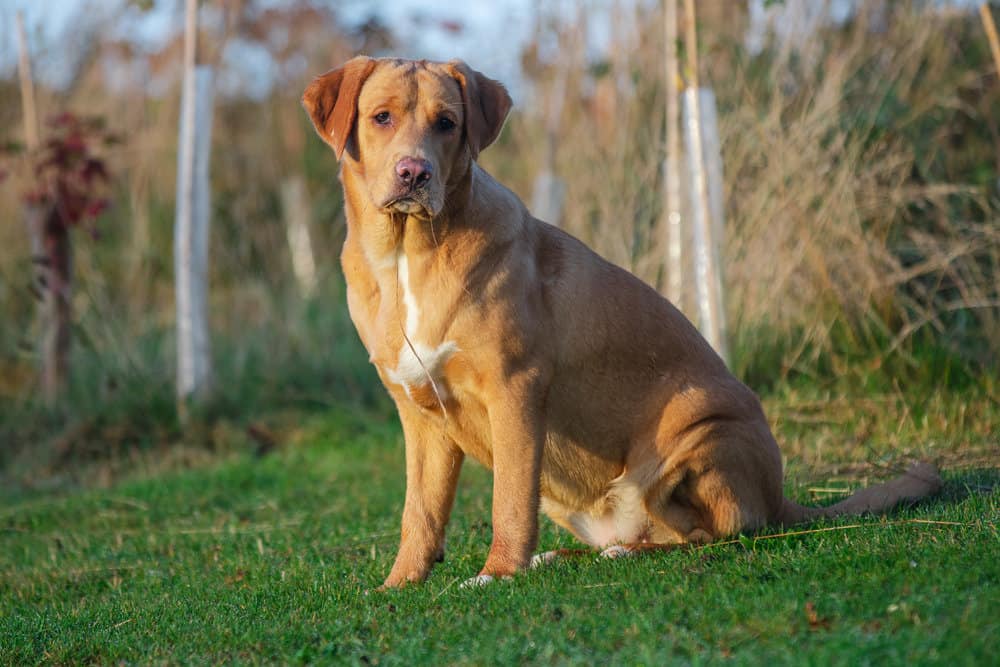
The Boxador is a cross between a Boxer and a Labrador Retriever, not a recognised breed in its own right, and the ANKC does not register it as a pedigree. What you get is a large, athletic, good-natured dog that tends to be friendly, playful and very people-oriented, blending the Boxer's clownish energy with the Labrador's easygoing sociability. Because it is a first-cross, individual pups can lean either way, so temperament and looks are less predictable than in a pedigree. These are high-energy dogs that need a fair bit of daily exercise and company, and they do not suit someone who is out all day or wants a quiet, low-effort pet. The short coat is easy to look after but sheds, especially if the Labrador side dominates. Bright, affectionate and usually great with kids, the Boxador can be a lot of dog for a first-time owner who underestimates the exercise it needs.
Size
Large
Lifespan
10-14 years
Group
Not ANKC Recognised
Height
Male: 53-64 cm (21-25 inches), Female: 53-64 cm (21-25 inches)
Weight
Male: 23-50 kg (50-110 lbs), Female: 23-50 kg (50-110 lbs)
Origin
Designer breed (United States)
Compatibility & care
How this breed fits into life with you
Scores are out of 5. Tap the help icon next to any trait to see what it really means.
Personality
How they think and behave
With family
Who they get along with
Care needs
What they ask of you
Origin & history
The Boxador is a modern deliberate cross that appeared with the wider designer-dog trend over the last few decades, mainly in North America, with no long history or working purpose of its own. To understand it you have to look at the two parents. The Boxer was developed in Germany in the late 1800s from older bull-baiting and hunting dogs and became a versatile working and guard dog. The Labrador Retriever traces back to the working water dogs of Newfoundland in Canada, refined in Britain into the steady, soft-mouthed gundog that is now one of the most popular family dogs in Australia and around the world. Crossing the two aims to combine the Boxer's athleticism and watchfulness with the Labrador's biddable, friendly nature. Buyers should treat each litter on its merits and ask about the health and temperament of both parents.
Temperament
Boxadors are typically outgoing, affectionate and full of beans, and they thrive on being part of everything the family does. Most are excellent with children, being playful and tolerant, though a bouncy young dog can knock smaller kids over without meaning to. They are usually sociable with strangers and often more welcoming than wary, so while they may bark to announce a visitor they are not reliable guard dogs. Raised with other dogs and pets they generally get on well. Both parent breeds are intelligent and keen to please, which makes the Boxador trainable, but the Boxer influence can add a stubborn, goofy streak, so consistent reward-based training from puppyhood pays off. Above all this is a dog that needs daily exercise, company and something to do, or boredom shows up as chewing, digging and general mischief.
Appearance
This is a large, strong, athletic dog, with most Boxadors standing around 50 to 64 cm at the shoulder and weighing roughly 25 to 40 kg, depending on which parent they favour. The build is usually muscular and balanced, the head often somewhere between the Labrador's broader skull and the Boxer's shorter muzzle, though muzzle length varies and some inherit a slightly shortened face. The coat is short, dense and close-lying, needing little more than regular brushing. Common colours include fawn, brindle, black and chocolate, sometimes with white markings on the chest, face or feet carried over from the Boxer.
Suitability
A Boxador suits an active household with room to move, ideally a house with a securely fenced yard rather than a flat. It is best for owners who enjoy exercise and want a dog involved in family life, and it can work for a fairly committed first-time owner who understands the exercise and training commitment. These dogs are sociable and do not like being left alone for long, so a home where someone is around much of the day suits them best. The short coat offers little protection from heat, and any dog carrying a shorter Boxer-type muzzle can struggle in hot, humid weather, so exercise in the cooler parts of the day and always provide shade and fresh water.
Health
As a Boxer-Labrador cross, the Boxador can inherit health problems from either side, so honest health testing of both parents matters more than any claim about hybrid vigour. Typical lifespan is around 10 to 13 years. Hip and elbow dysplasia are a concern from both breeds, and a tendency to put on weight makes joint problems worse, so keep one lean. From the Boxer side come heart conditions, particularly aortic and subaortic stenosis and a heart-muscle disease called arrhythmogenic right ventricular cardiomyopathy, along with a higher-than-average cancer risk. From the Labrador side come hip and elbow issues, eye conditions such as progressive retinal atrophy and cataracts, and exercise-induced collapse. Ask for hip and elbow scores, a recent eye certificate and a cardiac check on both parents, ideally with DNA results where they apply.
Find your Boxador
Browse trusted Boxador breeders across Australia and read genuine reviews from real owners, or take the quiz to be sure of the fit.