
Schnoodle
Schnoods
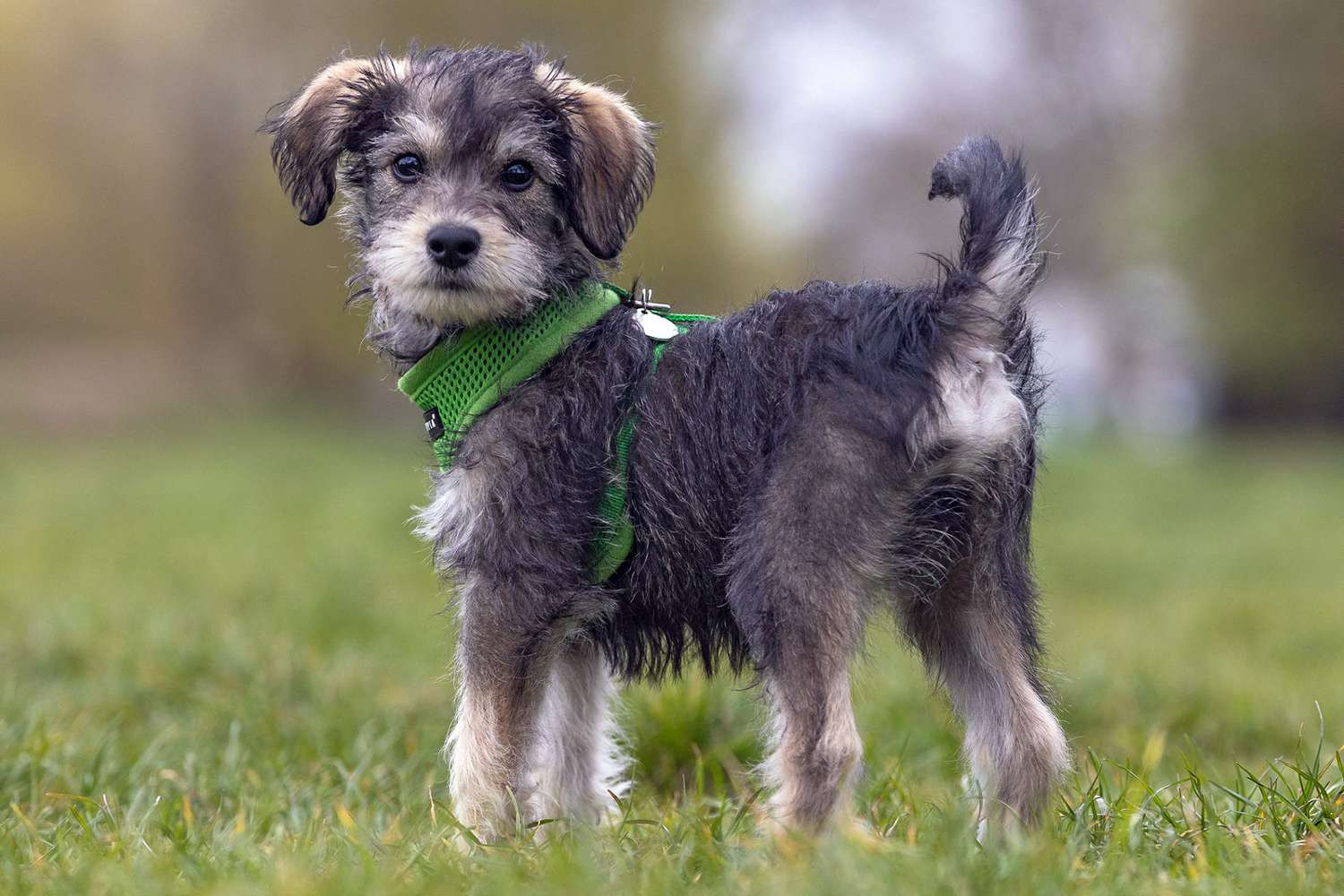
The Schnoodle is a cross between a Schnauzer and a Poodle rather than a recognised breed, so it is not registered as a pedigree by the ANKC. Most are Miniature Schnauzer crossed with Toy or Miniature Poodle, which gives a small to medium dog, though Standard and Giant crosses exist and are larger. Both parent breeds are clever, busy and people-loving, so Schnoodles tend to be affectionate, lively and quick to learn. They generally want a good daily walk, play and some training to stay happy. They suit active families and owners who enjoy an involved dog, and they are less suited to people out all day, since both parent breeds dislike being left and can get noisy or destructive. Coats vary from wiry to soft and curly, shed little to moderately, and need regular brushing and clipping to avoid matting.
Size
Small to Medium
Lifespan
12-16 years
Group
Not ANKC Recognised
Height
Male: 25-64 cm (10-25 inches), Female: 25-64 cm (10-25 inches)
Weight
Mini: 4.5-9 kg (10-20 lbs), Medium: 9-18 kg (20-40 lbs), Standard: 18-36 kg (40-80 lbs)
Origin
United States
Compatibility & care
How this breed fits into life with you
Scores are out of 5. Tap the help icon next to any trait to see what it really means.
Personality
How they think and behave
With family
Who they get along with
Care needs
What they ask of you
Origin & history
The Schnoodle is a modern crossbreed that appeared as part of the wave of deliberate Poodle crosses bred from the late twentieth century onward, mostly in the United States and Australia, marketed for a low-shedding coat and a friendly, trainable nature. There is no single origin point and no breed standard, because a Schnoodle is simply the result of mating a Schnauzer with a Poodle. To understand the dog you have to look at the parents. The Schnauzer is a German working and ratting breed prized for alertness, loyalty and a wiry coat. The Poodle, despite the show-ring image, is a highly intelligent working retriever with a tightly curled, low-shedding coat. Because crosses are unpredictable, individual Schnoodles can lean strongly toward either parent in looks, coat and temperament. The ANKC does not recognise the Schnoodle as a breed.
Temperament
Schnoodles are usually bright, affectionate and sociable, taking the people-focused nature of both parent breeds. Most get on well with children and, when socialised properly, with other dogs, although a Schnauzer-leaning dog may keep some terrier prey drive toward small animals. They tend to be alert and will bark at visitors, more so if the Schnauzer side is strong, which makes a handy watchdog but needs managing. Both parents are very intelligent, so Schnoodles generally train easily and enjoy having something to do, whether tricks, obedience or scent games. That cleverness cuts both ways, and a bored or under-exercised Schnoodle will invent its own activities. They form close attachments and often struggle with being left alone for long, which can show up as barking or chewing. Early socialisation and consistent, reward-based training bring out the best in them.
Appearance
Appearance varies a great deal because this is a cross. Size depends on the Poodle parent: Toy or Miniature crosses are usually small at around 4 to 11 kg, while Standard or Giant crosses can be much larger. The coat is the most variable feature, ranging from the harsh wiry texture of the Schnauzer through soft and wavy to the tight curls of the Poodle, and it is often somewhere in between. Common colours include black, white, silver, grey and apricot, sometimes parti-coloured. Many keep the bushy eyebrows and beard look, and the expression is typically bright and alert. No two litters are guaranteed to look alike.
Suitability
Schnoodles adapt well to both flats and houses as long as they get daily exercise, company and some mental work. They suit active singles and families and are generally a reasonable choice for a sensible first-time owner, particularly in the smaller sizes. The main thing to plan for is company, because both parent breeds hate being left and a Schnoodle alone all day is likely to become noisy or destructive. The watchdog barking suits some living situations better than others. Coat type varies, so be ready for regular grooming whichever way the dog turns out. In the Australian climate they cope reasonably, but a thick curly coat holds heat, so exercise in the cool of the day over summer and keep shade and water available.
Health
A well-bred Schnoodle from health-tested parents can live around 12 to 15 years. Crossbreeding does not remove inherited disease, and a Schnoodle can inherit conditions from either side, so the parents are what matter. Schnauzers carry risks including pancreatitis and high blood fats, several eye diseases, bladder stones and skin problems. Poodles are predisposed to progressive retinal atrophy, hip dysplasia, patellar luxation, epilepsy and, in the standard size, bloat. The responsible step is to buy only from a breeder who has tested both parents for the conditions relevant to their breeds, including hip scoring where appropriate, eye examination by a veterinary ophthalmologist and the relevant DNA tests. Be cautious of any breeder who claims a crossbreed needs no testing because it is hybrid. Keeping the dog lean and feeding sensibly also helps with the diet-related risks from the Schnauzer side.
Find your Schnoodle
Browse trusted Schnoodle breeders across Australia and read genuine reviews from real owners, or take the quiz to be sure of the fit.