
Australian Cobberdog
Cobberdog
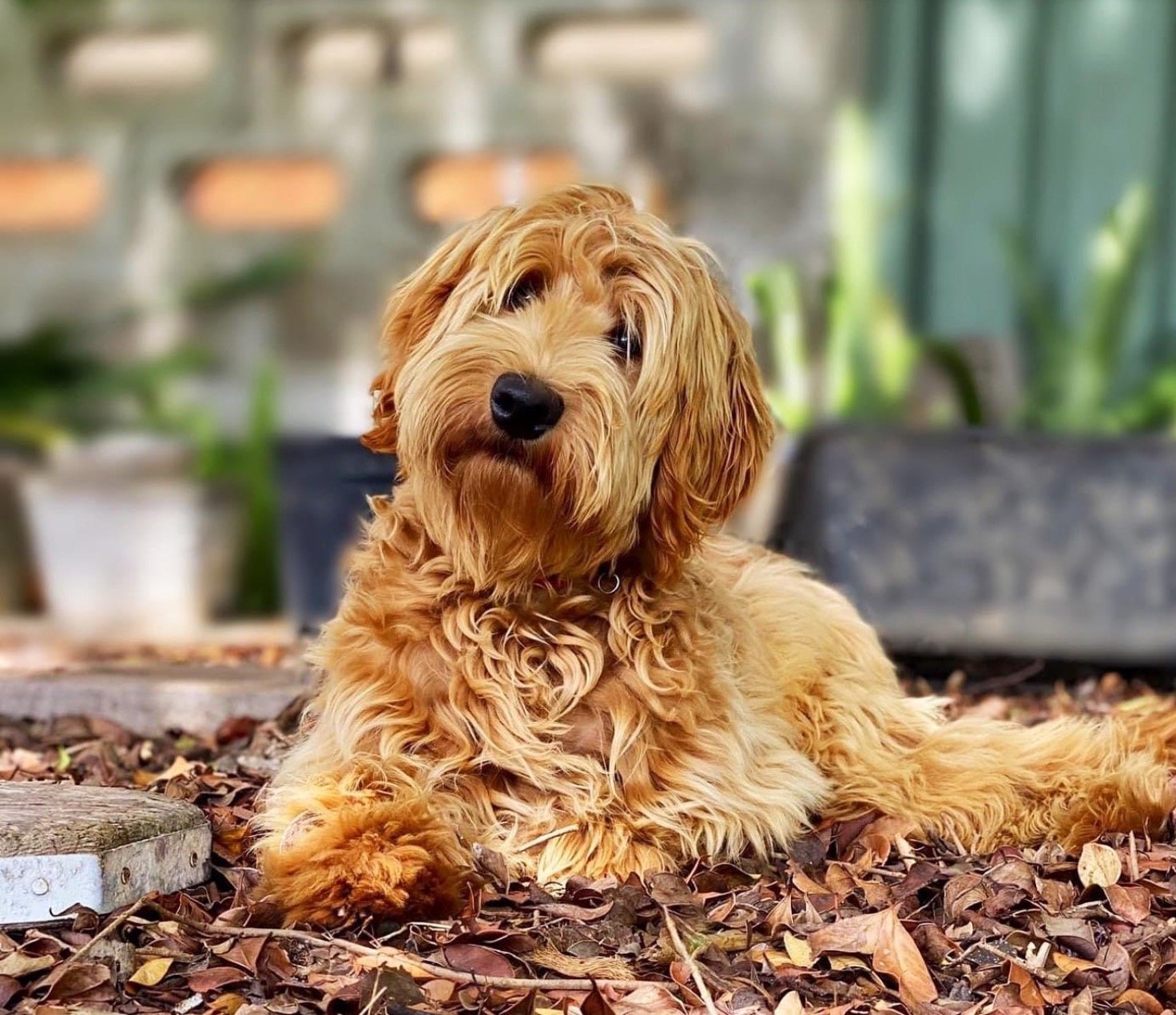
The Australian Cobberdog is a deliberately developed companion and assistance dog descended from the early Australian Labradoodle programme, now bred as its own distinct type rather than as a casual Labrador-Poodle cross. The focus has been on a friendly, calm, intuitive temperament suited to therapy and service work, along with a low-shedding, allergy-friendlier coat. Most are gentle, sociable, eager to please and strongly bonded to their people, which makes them lovely family dogs as well as working assistance dogs. They suit families, first-time owners and people wanting a soft-natured, trainable companion. They are less suited to those who are out all day, as they crave company. The fleece or wool coat needs regular brushing and professional grooming every six to eight weeks to prevent matting. The ANKC does not recognise the Cobberdog as a pedigree breed.
Size
Medium
Lifespan
14-16 years
Group
Not ANKC Recognised
Height
Male: 43-56 cm (17-22 inches), Female: 43-56 cm (17-22 inches)
Weight
Male: 25-45 kg (55-100 lbs), Female: 20-35 kg (45-75 lbs)
Origin
Australia
Compatibility & care
How this breed fits into life with you
Scores are out of 5. Tap the help icon next to any trait to see what it really means.
Personality
How they think and behave
With family
Who they get along with
Care needs
What they ask of you
Origin & history
The Australian Cobberdog grew out of the Australian Labradoodle, which was developed in Australia from the 1980s, initially by crossing Labrador Retrievers and Poodles to create a guide dog suitable for an owner with allergies. Over time, breeders selecting specifically for temperament, trainability and coat developed a more consistent companion and assistance dog, and the name Cobberdog (from the Australian word cobber, meaning mate or friend) was adopted to mark it as a developing breed in its own right, distinct from random doodle crosses. It is maintained through a dedicated registry that records lineage and sets breeding standards, but it is not recognised by the ANKC as a pedigree breed. Anyone considering one should choose a registered, reputable breeder and look honestly at the health and temperament of the parent dogs.
Temperament
Temperament is the trait this breed is most carefully selected for, and well-bred Cobberdogs are friendly, gentle, calm and highly attuned to people, which is exactly what suits them to therapy and assistance roles. They are typically excellent with children, patient and tolerant, and generally good with other dogs and household pets, especially when socialised early. They are intuitive and sensitive, often seeming to read their owner's mood, and they form deep attachments. With strangers they tend to be sociable and welcoming rather than wary, so they make poor guard dogs though they may bark to greet. They are intelligent and very trainable, responding eagerly to positive, reward-based methods, which is part of why they excel as working dogs. The flip side of all this sociability is that they genuinely dislike being left alone and can struggle with extended solitude.
Appearance
A medium-sized, well-proportioned dog of athletic but soft appearance, broadly standing around 43 to 56 cm at the shoulder and weighing roughly 13 to 25 kg, with size varying by line. The hallmark is the coat: a single, low-shedding fleece or wool texture that is soft and often wavy or loosely curled, bred to be allergy-friendlier, though no dog is ever completely non-allergenic. Colours are wide-ranging and include gold, cream, caramel, chocolate, black, red and various shades in between, sometimes with parti markings. The expression is gentle and attentive, with warm dark eyes, reflecting the calm, people-focused temperament the breed is selected for.
Suitability
The Cobberdog is one of the more adaptable choices here, suiting families, singles, older owners and first-time dog owners, and coping with both houses and (with enough exercise) smaller homes. It does best with an owner who is around a good deal, since it bonds closely and does not enjoy long stretches alone, where separation distress can develop. It needs daily exercise and mental engagement but is not a high-octane working breed in the way a Kelpie or Cattle Dog is, making it a manageable companion for moderately active people. The coat gives some sun protection but can trap heat, so in hot Australian conditions provide shade and water, walk in the cooler hours, and keep the coat groomed and clipped appropriately through summer.
Health
The Cobberdog is generally healthy and typically lives around 12 to 15 years, but because of its Labrador and Poodle ancestry it can inherit conditions from both, so testing of breeding dogs is what matters. The well-recognised concerns are hip and elbow dysplasia and progressive retinal atrophy, a DNA-testable cause of blindness. Other inherited eye conditions, and DNA-testable diseases that occur in the parent breeds, are also worth screening. The fleece coat and drop ears mean ear infections are common, so regular cleaning and grooming help, and some dogs are prone to skin allergies. A responsible registry-affiliated breeder will provide hip and elbow scores, eye certification and relevant DNA test results on the parents, and will be open about their health screening. Be wary of breeders who use the breed name but skip the testing.
Find your Australian Cobberdog
Browse trusted Australian Cobberdog breeders across Australia and read genuine reviews from real owners, or take the quiz to be sure of the fit.