
Welsh Corgi (Pembroke)
Pembroke, Corgi
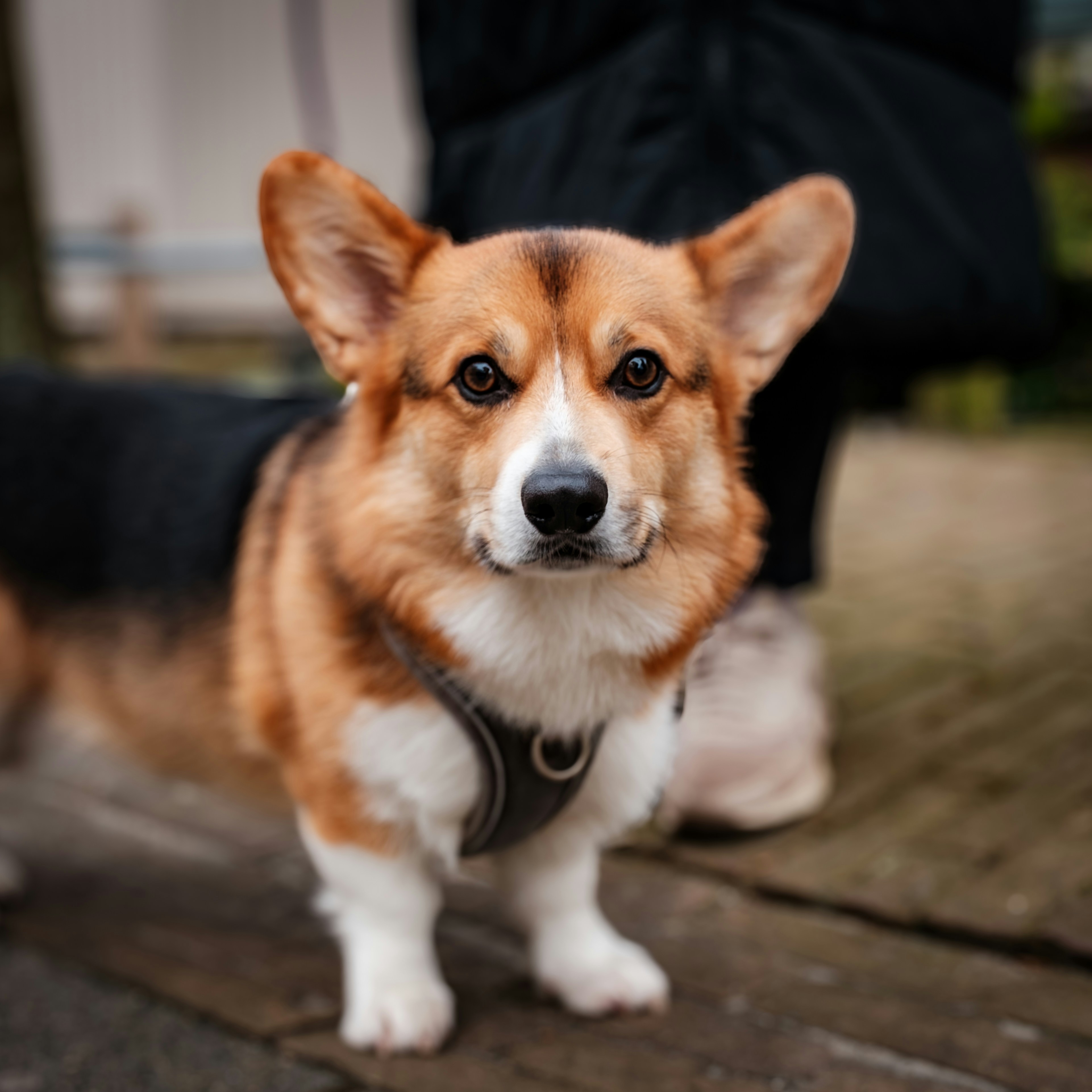
The Pembroke Welsh Corgi is the famous tailless (or naturally short-tailed) corgi, a low-set, long-bodied cattle herder from Wales with huge upright ears and a bold, sunny personality. Behind the cute looks is a genuine working dog, smart, energetic and quick to learn, with a strong urge to herd. Pembrokes are outgoing, affectionate and devoted to their families, more openly friendly than the Cardigan and full of confidence for their size. They have real energy and need a good daily walk plus mental stimulation, but they are adaptable and settle well at home. They suit active families, singles and first-time owners who will train and exercise them, and they do less well as purely sedentary pets, since a bored corgi barks, herds and pesters. The double coat is easy enough day to day but sheds a lot, with heavy seasonal moults. A defining trait is the herding instinct, which often shows as nipping at heels and a love of bossing other animals and children along.
Size
Small
Lifespan
12-15 years
Group
Group 5 - Working Dogs
Height
Male: 25-30 cm (10-12 inches), Female: 25-30 cm (10-12 inches)
Weight
Male: 11-14 kg (24-31 lbs), Female: 10-13 kg (22-29 lbs)
Origin
Wales
Compatibility & care
How this breed fits into life with you
Scores are out of 5. Tap the help icon next to any trait to see what it really means.
Personality
How they think and behave
With family
Who they get along with
Care needs
What they ask of you
Origin & history
The Pembroke Welsh Corgi comes from Pembrokeshire in west Wales, where it worked as a low-slung cattle drover, nipping at heels to move stock and ducking the kicks. It is the younger of the two Welsh corgis and is often linked to spitz-type dogs brought to Wales by Flemish weavers and to the Swedish Vallhund, a different ancestry from the Cardigan. The two corgis were shown together until they were separated into distinct breeds in the 1930s. The Pembroke's fame is tied to the British royal family, and especially to Queen Elizabeth II, who kept and bred Pembrokes throughout her long reign, which made the breed a worldwide favourite. In Australia the Pembroke is a popular and readily recognised breed, kept as a family companion and shown widely, with a smaller number still worked or competed in herding and dog sports.
Temperament
Pembrokes are bright, bold and affectionate, thriving on being part of family life and forming strong bonds with their people. They are typically very fond of children and love to be involved in everything, though their herding heritage means they may nip at running heels, so early redirection is important. They are usually sociable with other dogs and with household pets when raised together, but the urge to herd and control is strong. With strangers they are alert and confident rather than shy, and they bark readily, which makes them effective watchdogs in a small package. They are highly intelligent and very trainable, often excelling in obedience, agility and herding, and they respond best to positive, motivating methods that keep their quick minds busy. The big behavioural needs are mental stimulation, consistent training, early socialisation, and an appropriate outlet for the herding drive so it does not become barking, nipping or general bossiness.
Appearance
A low, long, sturdy little dog standing roughly 25 to 30 cm at the shoulder and weighing up to about 12 to 14 kg, slightly smaller and lighter-boned than the Cardigan. The Pembroke is recognised by its short or absent tail (some are born with a natural bob), its straighter, slightly finer build, and its large, erect, pointed ears on a foxy head. The coat is a medium-length double coat that is weatherproof and sheds heavily, with a thicker ruff around the neck. Recognised colours are red, sable, fawn and black and tan, usually with white markings on the legs, chest, neck and face. The overall look is alert, balanced and good-natured, with an unmistakable foxy expression.
Suitability
The Pembroke suits either a house with a yard or apartment life, as long as it gets a proper daily walk and real mental engagement, and its trainability and friendly nature make it a good choice for first-time owners prepared to put the work in. It can handle being left alone for moderate periods if well exercised and given something to do, but it is a sociable breed that prefers company and can become a barker if left bored and lonely. The weatherproof double coat copes with cold easily and manages Australian heat reasonably, though these dogs still need shade, fresh water and exercise timed to the cooler parts of hot days, and the seasonal shedding is considerable. As with any long-backed breed, keeping the corgi slim is essential to protect its spine. A clever, cheerful, hard-wearing companion for active homes.
Health
Typical lifespan is around 12 to 15 years. As a long-backed, short-legged breed, the Pembroke is prone to intervertebral disc disease, so keeping the dog lean, limiting repeated jumping on and off furniture, and protecting the back all matter. Progressive retinal atrophy is the main inherited eye disease and a DNA test is available, so ask whether breeding parents are tested or clear. The breed also carries the gene for degenerative myelopathy, a progressive spinal cord disease of older dogs, and a DNA test exists for it, so a careful breeder will use it to avoid producing affected pups. Hip dysplasia occurs and hip scoring of breeding stock is worthwhile. Choose a breeder who DNA tests for PRA and degenerative myelopathy, hip-scores their dogs, and keeps weight under control, since obesity in a long-backed dog sharply raises the risk of disc problems.
Find your Welsh Corgi (Pembroke)
Browse trusted Welsh Corgi (Pembroke) breeders across Australia and read genuine reviews from real owners, or take the quiz to be sure of the fit.