
Bordoodle
Borderdoodle, Borderpoo, Borpoo
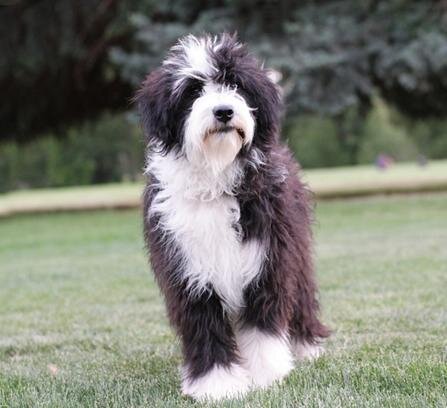
The Bordoodle is a cross between a Border Collie and a Poodle, one of the many poodle crosses bred for an intelligent, friendly family dog with a coat that sheds less. It is not a pedigree breed and is not recognised by the ANKC; it is a deliberate cross, so individual dogs vary a lot depending on which parent they take after. In general the Bordoodle is bright, energetic and very trainable, affectionate with its family and usually sociable with people and other dogs. Because both parent breeds are highly intelligent and active, it typically needs a good deal of daily exercise plus genuine mental work, and it can become bored, anxious or destructive if it is under-stimulated. The coat is often wavy to curly and lower-shedding, but it is not guaranteed hypoallergenic and usually needs regular brushing and clipping. It suits active, engaged owners and is a poor fit for quiet households wanting a low-effort, low-energy dog.
Size
Medium to Large
Lifespan
12-15 years
Group
Not ANKC Recognised
Height
Male: 38-58 cm (15-23 inches), Female: 38-58 cm (15-23 inches)
Weight
Male: 14-29 kg (30-65 lbs), Female: 14-29 kg (30-65 lbs)
Origin
United States
Compatibility & care
How this breed fits into life with you
Scores are out of 5. Tap the help icon next to any trait to see what it really means.
Personality
How they think and behave
With family
Who they get along with
Care needs
What they ask of you
Origin & history
The Bordoodle is a modern designer cross that emerged from the wider trend, beginning in the late twentieth century, of crossing poodles with other breeds to combine desirable temperaments with a lower-shedding coat. Breeders pair a Border Collie with a Poodle (usually a Standard or Miniature) aiming for a clever, biddable, family-friendly dog that is easier on allergy sufferers and shedding-conscious households. It is worth being clear-eyed about what this means: the Bordoodle is a first-cross or multi-generation hybrid, not a standardised breed, so there is no official standard and no ANKC pedigree recognition, and litters can be quite variable in size, coat and temperament. To understand a Bordoodle, look honestly at the parent breeds. The Border Collie is a workaholic herding dog of exceptional intelligence and drive, and the Poodle is an intelligent, active water-retriever, so buyers should expect a smart, high-energy dog and choose a breeder who health-tests both parent lines.
Temperament
Bordoodles are typically intelligent, affectionate and people-oriented, combining the Border Collie's keenness to learn with the Poodle's sociability, which tends to produce a trainable, eager-to-please dog. Most are good with their families and warm towards children, and they are usually friendly with other dogs and pets, especially when socialised early. Temperament does vary with breeding and with which parent a dog favours: some lean more towards the intense, sensitive, herding-driven Border Collie and others towards the lively, biddable Poodle, so meeting the parents helps a lot. The Border Collie influence can bring a herding instinct and a tendency to chase or nip at running children, bikes or other animals, which needs gentle early management. These are smart, busy dogs that bore easily, so they need consistent positive training and real daily mental stimulation; without it they can become anxious, vocal or destructive. They generally bond closely and do not enjoy being left alone for long periods.
Appearance
Appearance varies considerably because this is a cross rather than a fixed breed, but most Bordoodles are medium to large, athletic and well-proportioned, reflecting both parents, typically standing roughly 38 to 56 cm at the shoulder and weighing around 13 to 27 kg, with smaller dogs where a Miniature Poodle is used. The coat is the most variable feature: it can be wavy, loosely curled or tightly curled, usually soft and lower-shedding, and ranges from short to fairly long. Common colours include black, black and white, chocolate, blue merle and various combinations, often with white markings inherited from the Border Collie side. The eyes are expressive and the ears generally fold down. Coat length and curl, body size and markings can differ noticeably even between puppies in the same litter.
Suitability
A Bordoodle suits an active household that can give it plenty of exercise plus daily training and brain games, and it is happiest in a home with people around and ideally a securely fenced yard. Smaller, well-exercised individuals can adapt to apartment living, but this is fundamentally a high-energy, high-intelligence dog rather than an easy low-maintenance pet, so it is not the best match for sedentary or very busy owners who are out all day. It can work for a committed first-time owner who has done their homework, but it rewards experience with active, intelligent dogs. It tends to form strong attachments and does not cope well with long stretches of isolation, where boredom can turn into barking, chewing or anxiety. The often-curly coat gives reasonable protection but still needs shade, water and sensible timing of exercise in the Australian summer, and regular grooming to prevent matting.
Health
As a cross of two related-risk breeds, the Bordoodle can inherit health conditions from either parent, and a typical lifespan is around 12 to 15 years. The most relevant predispositions to plan for come from the Border Collie and Poodle: hip and elbow dysplasia, several inherited eye diseases including progressive retinal atrophy and Collie eye anomaly, and epilepsy. The Border Collie side can carry the MDR1 medication-sensitivity gene mutation as well as neuronal ceroid lipofuscinosis and trapped neutrophil syndrome, while the Poodle side adds risks such as patellar luxation and, in larger poodles, bloat. Because hybrids are not exempt from genetic disease, it is important to buy only from breeders who DNA-test and screen both parents for the conditions relevant to each breed (hip and elbow scoring, eye testing, and DNA tests including MDR1, PRA, CEA, CL and TNS where applicable), rather than assuming crossbreeding alone guarantees health.
Find your Bordoodle
Browse trusted Bordoodle breeders across Australia and read genuine reviews from real owners, or take the quiz to be sure of the fit.