
Yorkipoo
Yorkiepoo, Yorkie-Poo
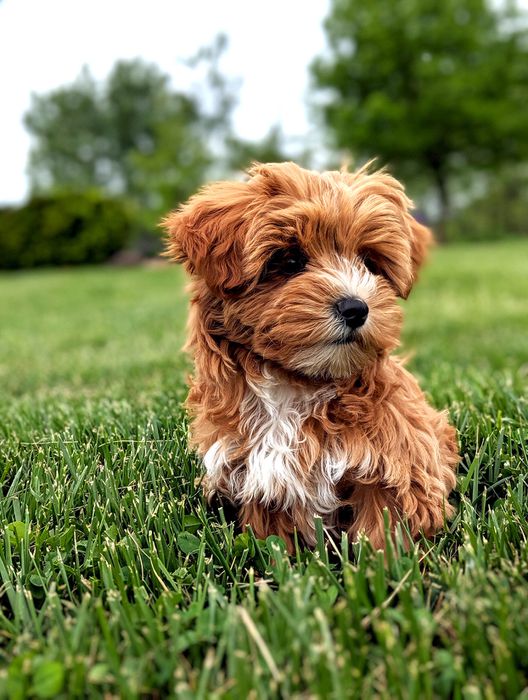
The Yorkipoo is a small designer cross between a Yorkshire Terrier and a Poodle, usually a Toy or Miniature Poodle. It is not a pedigree breed and is not recognised by the ANKC or other major kennel clubs, so there is no fixed standard and individual dogs vary a lot depending on which parent they take after. In general these are bright, lively, affectionate little dogs that love being with their people and tend to be playful well into adulthood. They suit attentive owners and families who want a small companion that is happy to join in daily life. They are a poor choice for anyone out of the house all day, as they bond closely and dislike being left alone. Coats range from soft and wavy to curlier and lower-shedding, but no cross is guaranteed hypoallergenic. Whatever the coat type, expect regular brushing and clipping every few weeks to prevent matting.
Size
Small
Lifespan
12-15 years
Group
Not ANKC Recognised
Height
Male: 20-23 cm (8-9 inches), Female: 20-23 cm (8-9 inches)
Weight
Male: 1.8-3.2 kg (4-7 lbs), Female: 1.8-3.2 kg (4-7 lbs)
Origin
United States
Compatibility & care
How this breed fits into life with you
Scores are out of 5. Tap the help icon next to any trait to see what it really means.
Personality
How they think and behave
With family
Who they get along with
Care needs
What they ask of you
Origin & history
The Yorkipoo is a relatively recent cross that emerged in the United States, gaining traction from the 1990s and 2000s alongside the wider boom in Poodle crosses such as the Cavoodle and Labradoodle. The aim was to pair the small size and character of the Yorkshire Terrier with the Poodle's cleverness and low-shedding coat, producing a little companion that might suit allergy-conscious homes. Because it is a hybrid rather than an established breed, there is no governing standard, no recognition from the ANKC, and considerable variation from litter to litter and even within a single litter. Most Yorkipoos are first-generation crosses of one Yorkshire Terrier and one Poodle parent, though some breeders produce later generations. Anyone buying one should treat it as a crossbred dog and look closely at the health and temperament of both parents rather than expecting a predictable type.
Temperament
Yorkipoos tend to be friendly, smart and people-focused, taking the affectionate streak of both parents and often the quick wit of the Poodle. They usually bond strongly with the whole family and enjoy being close, frequently following their owners from room to room. Most are good with gentle children and can get along with other dogs and pets when socialised young, though a Yorkie-leaning individual may show more terrier feistiness and a sharper bark. Many make alert little watchdogs and will announce visitors readily. They are generally very trainable and respond well to reward-based methods, which helps with the house-training that can otherwise be slow in small dogs. The flip side of their sociability is a low tolerance for solitude: left alone too long they are prone to separation anxiety and nuisance barking, so they need company, gentle structure and a bit of daily mental stimulation.
Appearance
Size and look vary with the parents, but most Yorkipoos are small, commonly around 18 to 30cm tall and roughly 3 to 7kg, with the smaller end coming from Toy Poodle crosses. The build is light and the bearing usually alert and bouncy. Coats differ a great deal: some are soft and wavy, others tightly curled like the Poodle, and a few are straighter and silkier in the Yorkie direction. Colours are wide-ranging and include black, white, cream, apricot, silver, chocolate, and various tan and parti combinations, and many change shade as the dog matures. The face is typically expressive with dark round eyes, a neat muzzle and ears that may hang or carry semi-erect.
Suitability
A Yorkipoo fits both apartments and houses and does not need a big yard, just daily walks and some play to burn off its energy and keep its busy mind occupied. The ideal home has people around for much of the day, since this is a dog that struggles with being left alone and can bark or fret when lonely. They are reasonably forgiving for first-time owners, as long as the owner commits to early socialisation, regular coat care and consistent house-training. Coat insulation depends on type, but the finer-coated ones feel the cold and appreciate a jumper in southern winters. Like most small companion dogs they can overheat, so in the Australian summer walk them early or late, provide shade and fresh water, and never leave one in a hot car.
Health
A well-bred Yorkipoo can live around 12 to 15 years. As a cross it can inherit conditions from either side, so it pays to know the problems of both parent breeds. From the Yorkshire Terrier line watch for patellar luxation, Legg-Calve-Perthes disease, tracheal collapse, portosystemic liver shunts, and the dental crowding and disease typical of small toy dogs. From the Poodle side the main concern is progressive retinal atrophy, an inherited eye disease for which a DNA test exists, along with patellar luxation again. Both parent breeds are predisposed to slipping kneecaps and dental trouble, so those are the things to plan for. Responsible health testing matters more, not less, in crossbreds: ask to see the Yorkshire Terrier parent's patella and eye checks and the Poodle parent's DNA test for PRA and patella results, and start good dental care from puppyhood.
Find your Yorkipoo
Browse trusted Yorkipoo breeders across Australia and read genuine reviews from real owners, or take the quiz to be sure of the fit.